Reliance Jio Explores Smart Walls to Improve Mobile Coverage as Global Operators Test the Technology
Reliance Jio is exploring intelligent reflecting surfaces that could help mobile networks deliver stronger coverage in locations where conventional signals struggle to reach. Sometimes described as “smart. . .
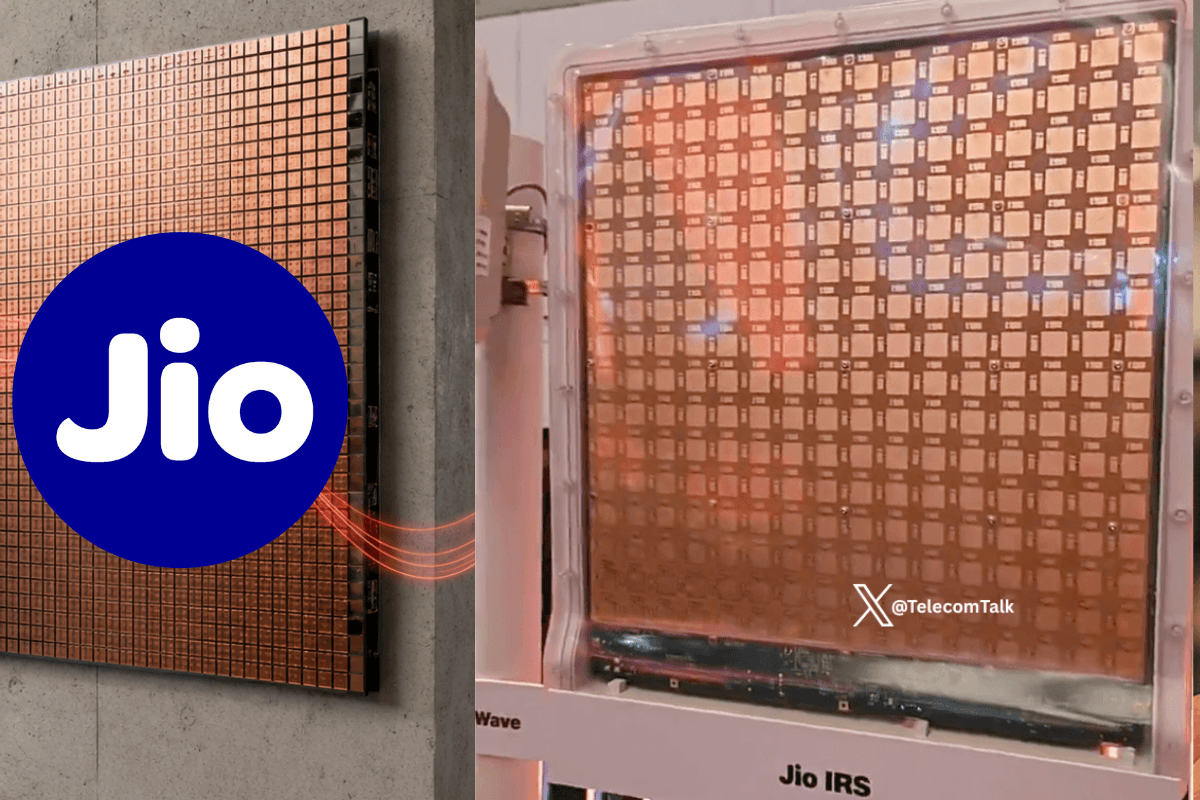
Reliance Jio is exploring intelligent reflecting surfaces that could help mobile networks deliver stronger coverage in locations where conventional signals struggle to reach. Sometimes described as “smart walls,” these programmable panels can redirect radio waves towards areas affected by weak coverage. Key HighlightsJio has developed an Intelligent Reflecting Surface prototype for future mobile networks. The prototype uses software-controlled beam steering and JioBrain-based optimisation. Jio says the low-power prototype operates at less than seven watts. NTT Docomo and Orange have also tested intelligent-surface technology. Commercial deployment timelines for Jio’s technology have not been announcedJio showcased itsIntelligent Reflecting Surface, or IRS, prototype as part of itsindigenous 6Gtechnology stack at India Mobile Congress 2025. While the technology is associated with future networks, intelligent surfaces could potentially complement existing mobile infrastructure as networks evolve from 5G towards 6G. The development placesReliance Jioalongside global operators and researchers exploring how the surrounding physical environment can become part of mobile network design. How Reliance Jio’s Smart Wall WorksAn intelligent reflecting surface does not create a mobile signal like a conventional base station it consists of a flat programmable panel containing thousands of tiny reflective elements that can control how radio waves travel. The idea can be compared to using a mirror to direct light towards a darker part of a room instead of reflecting visible light, however, an IRS redirects radio waves towards a selected location this could potentially help signals travel around obstacles or reach areas where direct coverage is difficult. Such technology could be used in built-up and indoor environments where walls and other physical structures interfere with mobile signals.