Rethinking access in disability-inclusive Sexual and Reproductive Health | CBM Australia
Stories| August 11, 2026“You say ‘accessible hospitals’ people might think of ramps but… if you go to the hospital in labour there is no labour bed suitable for women with disabilities and the doctors aren’t. . .
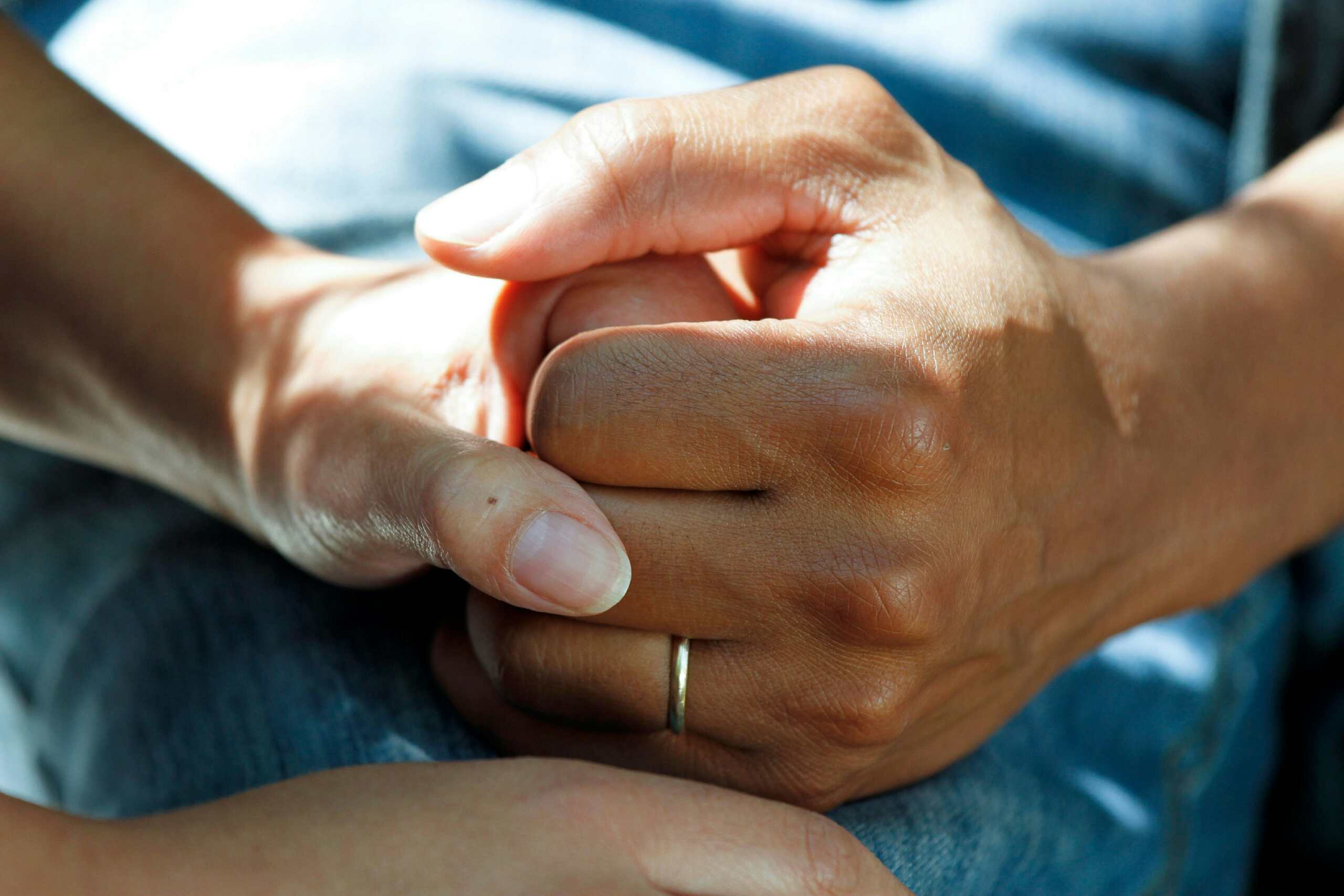
Stories| August 11, 2026“You say ‘accessible hospitals’ people might think of ramps but… if you go to the hospital in labour there is no labour bed suitable for women with disabilities and the doctors aren’t sensitised. ”– OPD leader, NepalThis reflection highlights a gap in how inclusion is often understood. Access is not only about infrastructure. It depends on how services are designed, delivered, and experienced. CBM’sInclusion Advisory Group(IAG) works with partners across development and humanitarian settings to strengthen disability inclusion in areas like sexual and reproductive health and rights (SRHR). This work is shaped through collaboration with Organisations of People with Disabilities (OPDs), who bring lived experience and leadership to strengthening how systems respond. Looking beyond accessSRHR includes family planning, maternal healthcare, gender-based violence prevention and response, and health education. These services are closely linked to fundamental rights, including the ability to make decisions about one’s own body. For people with disabilities, barriers across these services are well documented. Evidence highlights consistent gaps in access, safety and health outcomes:Women with disabilities are two to three times more likely to experience violence and sexual abuse than women without disabilitiesThey are less likely to disclose experiences of violence, limiting access to post-violence healthcare, psychosocial support and justiceWomen with disabilities have lower rates of reproductive cancer screening and higher mortality ratesThey experience higher rates of maternal health complications and maternal mortalityPeople with disabilities experience nearly double the burden of HIV and sexually transmitted infectionsMany are exposed to substituted decision-making and coercive practices related to contraception, sterilisation or abortionThese outcomes reflect gaps in how services are designed and delivered, rather than individual circumstances. Where systems fall shortBarriers sit across laws, services and attitudes. Legal and policy settings can limit recognition of decision-making rights and reduce access to justice following violence. People with disabilities are often excluded from policy development processes that shape SRHR services. Stigma and misconceptions continue to influence how people are treated within health systems. Some SRHR providers receive limited training on disability inclusion. This affects how services are delivered in practice. Access to SRHR services is also uneven. Facilities, transport and information do not always support people with different needs. SRHR facilities and equipment are often not accessible, SRHR information is often not available in accessible formats, and communication support, including sign language interpretation, is not consistently available. Across these areas, a consistent pattern emerges: services exist, but they are not designed to work for everyone. Strengthening how the sector respondsImproving SRHR outcomes requires changes across systems, through:Meaningfully engaging people with disabilities in policy and decision-making to ensure that SRHR services address their needs and prioritiesIdentifying and addressing barriers to SRHR for people with disabilitiesStrengthening relationships between OPDs and SRHR service providers to support more inclusive design and deliveryImproving links between referral systems and health services to make access more reliableEstablishing safeguards against forced treatment and substitute decision-makingMonitoring outcomes for people with disabilities to identify and address ongoing gapsCBM IAG’s recent work with the Burnet Institute [LINK] reflects this approach. Through a workshop series that strengthened staff capacity on disability equity and rights, including a session on disability-inclusive SRHR, Burnet staff are supported to reflect on who is included in research and programs, how social norms shape access, and how their work can be more disability inclusive. Bringing this into focusDisability-inclusive SRHR continues to receive limited attention across global health and development. Expanding this focus supports services that reflect real experiences and uphold rights in practice. You can read more about how dignity and choice shape sexual and reproductive health for women and girls with disabilities — and why this matters in practice — in this earlier piece onSRHR for women and girls with disabilities. Through its work with OPDs and sector partners, CBM IAG supports organisations to strengthen how inclusion is understood and applied in SRHR, working alongside partners to turn commitments into practical changes that improve access, quality and choice for all. Learn more about other CBM Australia work related to SRHR:Health rights for women and girls with disabilitiesCBM Australia calls to leave no woman behindSubmission: Inquiry into the rights of women and childrenWatch: Webinar snapshot on gender-based violence in CameroonNigeria women’s health project – obstetric fistulaCBM’s Inclusion Advisory Group (IAG) brings together a global network of advisors and researchers, working in partnership with the disability movement to advance inclusion in practice. Learn how you can partner with IAG. https://www. cbm. org. au/stories/disability-sexual-healthBack to Stories