Scottish business leaders warn UK grid blueprint could jeopardize $124 billion ScotWind offshore wind opportunity
Scottish business leaders are raising seriousconcerns about the UK’s upcoming energy infrastructure blueprint, warning it could put Scotland’s £96 billion ($124 billion) ScotWind offshore wind opportunity at. . .
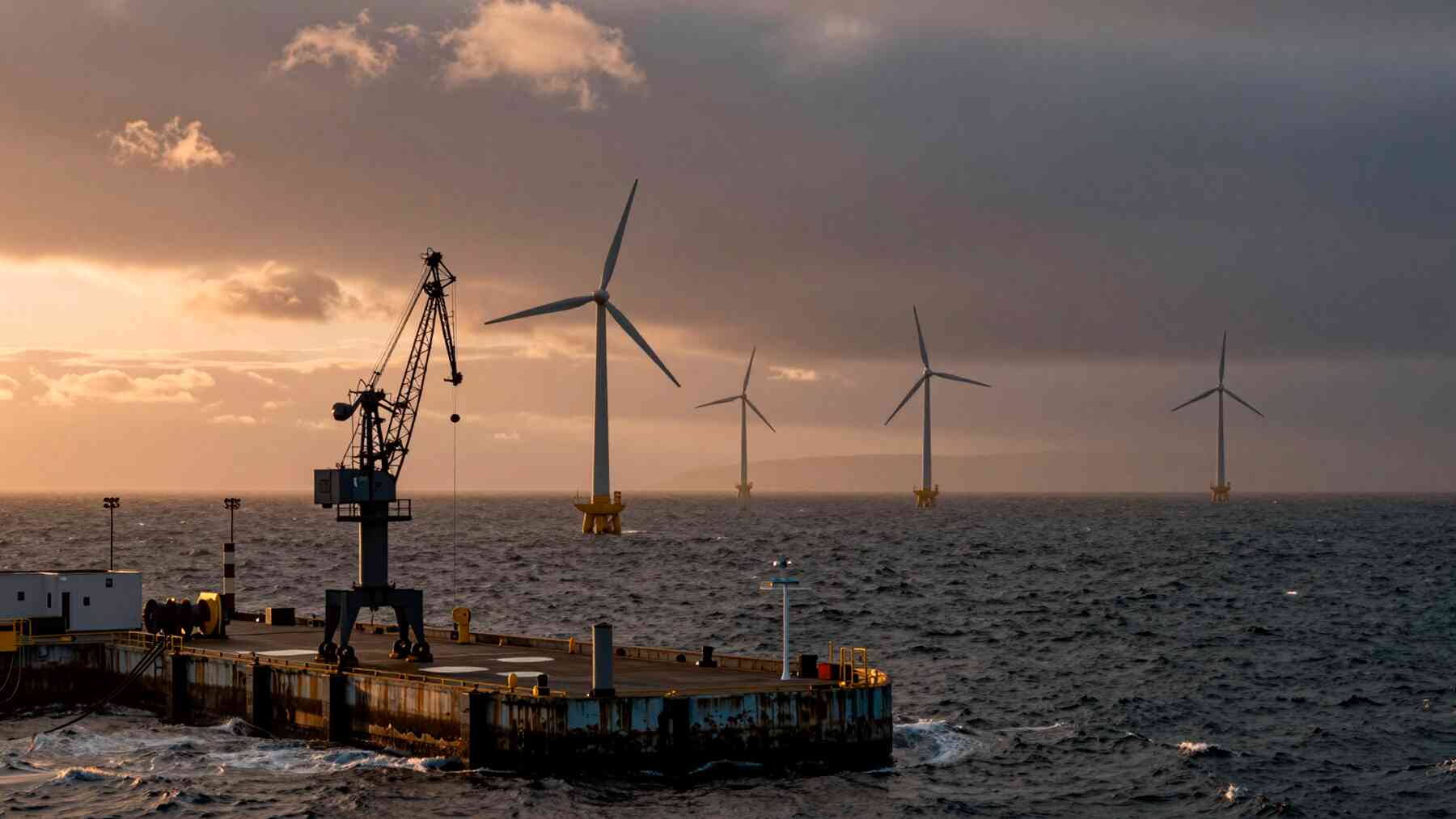
Scottish business leaders are raising seriousconcerns about the UK’s upcoming energy infrastructure blueprint, warning it could put Scotland’s £96 billion ($124 billion) ScotWind offshore wind opportunity at risk. The worry centers on the Strategic Spatial Energy Plan being developed by the National Energy System Operator, which is due to present six pathway options to the UK government later this summer. Industry sources fear only two of those pathways would fully support Scotland’s offshore wind pipeline—raising urgent questions about grid investment, investor confidence, and the future of one of Scotland’s largest industrial opportunities in decades. Business leaders warn ScotWind pipeline faces grid investment riskScottish and Highland business leaders aren’t mincing words. They’re warning publicly that the UK’s new energy blueprint couldundermine ScotWind before it fully gets off the ground. The core concern is which of NESO’s six proposed SSEP pathways the UK energy secretary ultimately picks—because industry sources say only two of them fully support Scotland’s offshore wind pipeline. NESO will submit six future energy system options to the government later this summer, after which the UK Energy Secretary will select one pathway to take forward. That’s a narrow margin for a £96 billion ($124 billion) opportunity. Floating offshore wind projects are identified as particularly at risk of being deprioritized under the less supportive pathways, with serious knock-on effects for investment timelines and project viability across the sector. Business leaders argue a wrong turn here could quietly strangle ambitions that took years to build. Why grid connections are central to ScotWind’s viabilityOne of the clearest messages from business leaders:leases alone don’t build wind farms. Colin Marr, chief executive of the Inverness Chamber of Commerce, made that point directly. ScotWind may represent one of Scotland’s biggest industrial opportunities in decades, but turning that potential into real projects takes far more than awarded leases. “Offshore wind needs grid connections, port capacity, vessels, manufacturing capability, and a market framework that gives companies the confidence to invest,” Marr said. Without a clear delivery route, investor confidence erodes — and businesses across the Highlands and Islands that are ready to participate get left waiting indefinitely. Maggie McGinlay, Chief Executive of Energy Transition Zone Ltd, echoed that concern and added a pointedwarning about how SSEP decisions are being framed. A decision driven too narrowly by modeled system cost, she cautioned, risks missing the bigger prize for the UK—clean power, domestic supply chains, and energy security. That kind of framework mismatch, she suggested, is exactly how major industrial opportunities slip through the cracks. Consequences for jobs, supply chains, and energy securityThe ScotWind pipeline isn’t just an energy story. For the north of Scotland, it’s an economic development story—one of the largest industrial opportunities the region has seen in a generation, with real potential for jobs, contracts, and supply chain growth in communities long tied to the offshore energy sector. Failing to back the full pipeline with the necessary grid investment wouldn’t just slow down energy transition goals; it would directly undermine thedomestic supply chains the UK government has said it wants to build. Communities and workers in the Highlands and Islands are described as ready to participate, butthey need investment certaintybefore that participation becomes real. McGinlay was direct about what’s at stake for people, not just projects. North Sea workers and communitiesneed a credible future, she argued, and only full pipeline support can provide that. Without it, the energy transition risks becoming something that happens around those communities rather than with them. Uncertainty over grid connections and market frameworks hasalready slowed momentum on some projects. Prolonging that uncertainty through an SSEP pathway that doesn’t prioritize Scotland’s offshore wind pipeline could push timelines further out—or push investors elsewhere entirely. What the SSEP is and how the government process worksThe Strategic Spatial Energy Plan is, by NESO’s own description, Great Britain’s first national blueprint for where future electricity and hydrogen infrastructure may be needed. It’s a significant document — one meant to give investors, developers, and communities the long-term directional clarity they need to make major decisions. Commissioned jointly by the UK, Scottish, and Welsh governments, theSSEP draws on economic, technical, environmental, and societal evidence to identify secure, affordable, and sustainable pathways for meeting future energy demand. NESO will submit six future energy system options to the government later this summer, after which the UK Energy Secretary will select one pathway to take forward. NESO has said the plan is designed to help unlock investment, strengthen supply chains, and support jobs and skills across Great Britain—framing that that lines up closely with what Scottish business leaders say they want. Which makes the concern over pathway selection all the more pointed. The intent and the potential outcome, they argue, may not match. A final pathway decision later this yearThe core issue is straightforward: Scottish business leaders believe the SSEP pathway selection could determine whether ScotWind’s £96 billion ($124 billion) potential is realized or quietly shelved. Only two of six proposed pathways are said to fully support Scotland’s offshore wind pipeline,with floating wind projects at particular risk. Grid connections, port capacity, manufacturing capability, and a supportive market framework are all identified as essential — not optional — for turning ScotWind leases into operational projects. Without them, investor confidence weakens and supply chain development stalls. The UK Energy Secretary willmake the final pathway decision later this year, following NESO’s submission. For Scottish business leaders, that decision can’t come soon enough — and it needs to land on the right side of Scotland’s offshore wind ambitions. Author ProfileKelly LippkeStaff WriterKelly is an experienced writer with 15 years of experience exploring the big stories that shape our world, from tech breakthroughs and space exploration to climate, energy, and the fascinating quirks of science. She has a talent for turning complex ideas into sharp, memorable insights that stay with readers long after they’ve finished reading. Kelly LippkeKelly is an experienced writer with 15 years of experience exploring the big stories that shape our world, from tech breakthroughs and space exploration to climate, energy, and the fascinating quirks of science. She has a talent for turning complex ideas into sharp, memorable insights that stay with readers long after they’ve finished reading.