Should Europe talk to Putin – or not?
“Who do I call if I want to talk to Europe?” said former US Secretary of StateHenry Kissingersaid in the 1970s. The quote was often used when it came to the disunity of theUnionwent, but rarely has it worked. . .
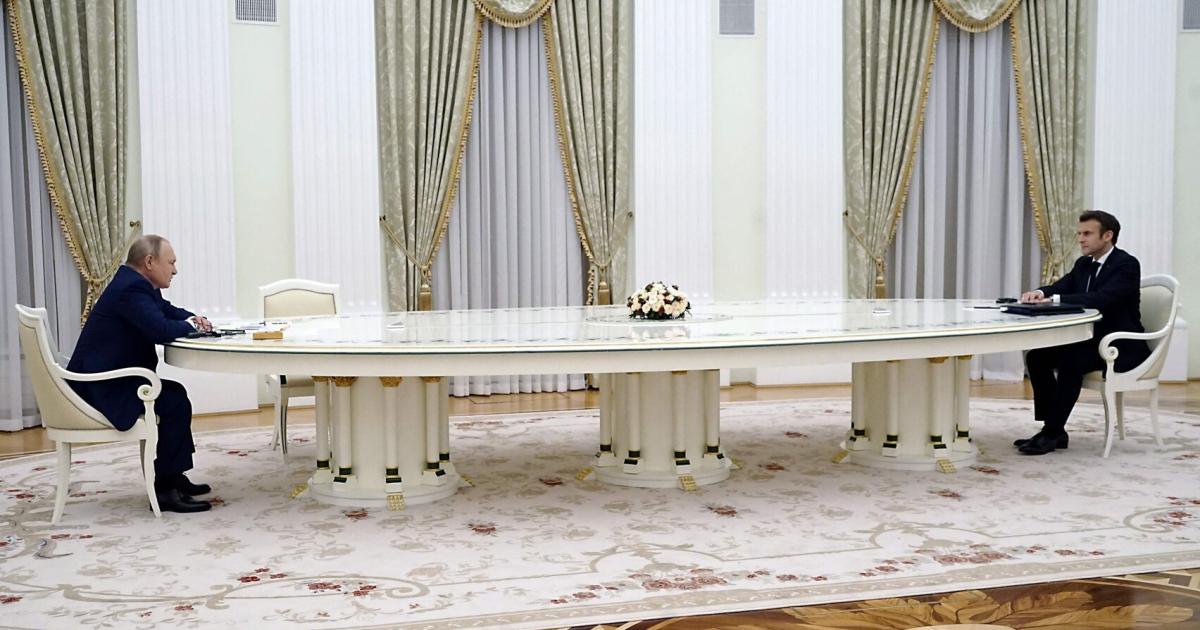
“Who do I call if I want to talk to Europe?” said former US Secretary of StateHenry Kissingersaid in the 1970s. The quote was often used when it came to the disunity of theUnionwent, but rarely has it worked as well as it does now: she’s been wrestling for weeksEUabout finding a person who canPutincould take up at the negotiating table. But not only are they far from a common line – they are even arguing on an open stage. The scandal was triggeredAntonio Costa. Because the situation on the front has recently changed to Russia’s disadvantage and cryptic offers for talks from the Kremlin have leaked out, the EU Council President has put out feelers towards Moscow: The Portuguese’s team, who leads the office with little publicity, has had several contacts over the weeksJurij Uschakowone of Putin’s most influential whisperers. Arguing ever sinceBrusselsabout the question: Is Costa allowed to do that – after years of an absolute ban on contact? And isn’t the reserved Portuguese the wrong person for the job?“Unprofessional”While small EU states in particular appreciated his initiative –AustriaChancellorChristianStockerspoke of a “momentum” that had to be used – there is discontent in the states that otherwise set the tone. Especially France’s presidentEmmanuel Macronand the German ChancellorFriedrich MerzCosta said at the EU summit that they didn’t think anything of his proposal; German diplomats also complained that he had neither a mandate nor had he informed them about his initiative. Merz even told him via the media that he found the whole thing “unprofessional”. Costa, whose main task is to coordinate the 27 member states, rowed back on Friday. The discussions were never about content, just about keeping channels open. He was no longer able to capture the debate: Berlin said that Brussels should stay out of it, that they wanted to have discussionsE3-Format(“European Three”) – with the French and British, as was once the case in the Minsk negotiations. Poland and Italy then reported that they also wanted to sit at the table. Does he even want to talk?For Vladimir Putin, the tragedy of the EU leaders must be a satisfaction. For weeks, the Kremlin has been playing with the possibility of conversations, opening small doors that are intended to appear seductive. But observers agree that these are never real offers: On the one hand, there are always pitfalls built in, such as the fulfillment of territorial concessions before talks begin. Or you have unfulfillable wishes: Putin said more than once that his favorite Western negotiator wasGerhard Schröder– the former German chancellor sat on some Russian supervisory boards until after the start of the war. It is no coincidence that Putin’s actions are reminiscent of his tactics before the start of the war. He invited various European leaders to Moscow to present them at an oversized, white table – he simulated willingness to talk where there was none, and the EU argued about their attitude. But no European could have stopped him from the invasion; his real opponent was always in the areaUSA. Putin’s goal was only to keep Europe from following a common line. It’s not much different now. Putin’s foreign ministerSergei LavrovShortly after the scandal in Brussels, he published a long pamphlet in which he harshly rebuffed Europe when it came to negotiations. He alleged that Europe had only used all talks over the past 20 years as a “deceptive tactic”. NATOand to expand the EU towards Russia. Even now, Europe is only looking for “Russia’s defeat”. Willingness to talk looks different. Experts are not surprised: “For the Russians, negotiations are a form of warfare, a competition that they want to win with little or no compromise,” argueDonald JensenandIuliia Osmolovskafrom theAtlantic Council. If Europe cannot agree on a common voice, it will be a first victory for Putin. Post navigation