Solar powered cooling systems prevent hunger in Africa - Liberty Unyielding
“Solar-powered cold storage systems are helping farmers save more of their produce in Africa, where many rural areas lack reliable electricity. SoKo Fresh, a Kenyan firm that leases space in solar cold rooms, claims its customers have cut spoilage from as high as 50 percent to under 2 percent,” reports The Doomslayer. Saving what farmers produce […]
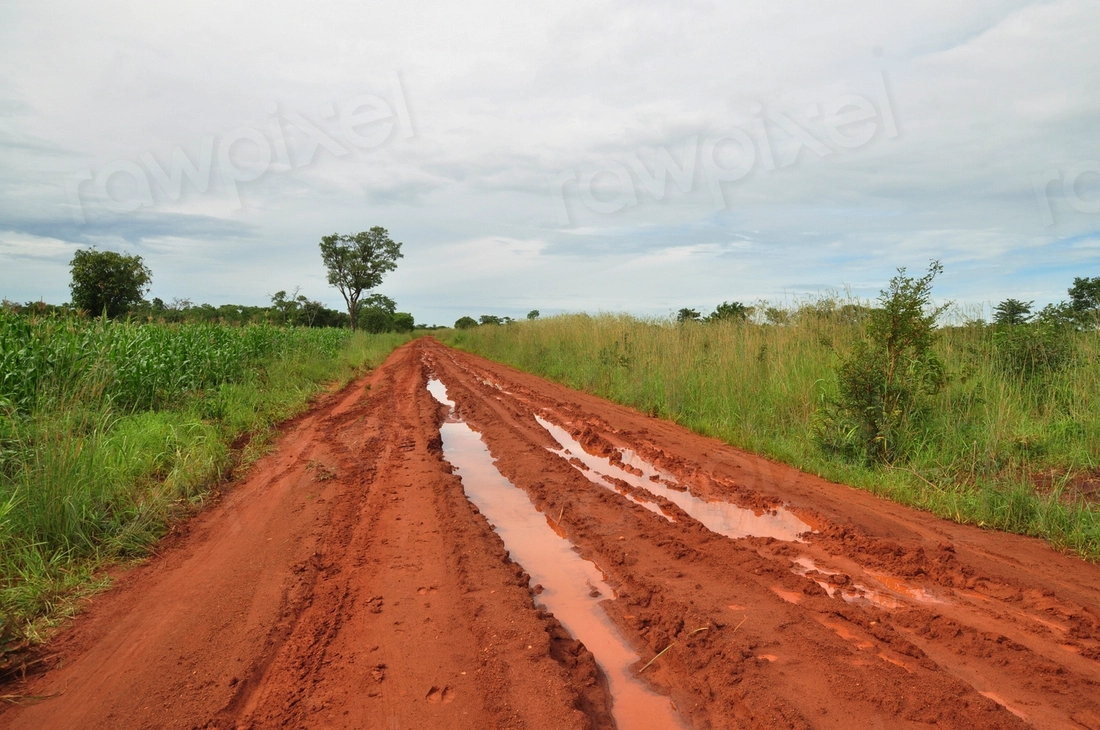
A dirt road in Zambia“Solar-powered cold storage systems arehelping farmers save more of their producein Africa, where many rural areas lack reliable electricity. SoKo Fresh, a Kenyan firm that leases space in solar cold rooms, claims its customers have cut spoilage from as high as 50 percent to under 2 percent,” reportsThe Doomslayer. Saving what farmers produce is important given how little many African farmers manage to grow. “Crop yields across much of Sub-Saharan Africa remain stubbornly low and have stagnated, with average cereal yields often reaching only one-fifth of those in the United States. Smallholder farmers, who dominate the agricultural sector, currently achieve less than 25% of their crops’ potential yield. ” The result of that is sometimes hunger and malnutrition. Some Kenyan farmers areusing artificial intelligence to produce much more food. Kenya is one of the world’s poorer and hungrier nations, rankingonly #156 out of 171 nationsin how much its citizens eat, andranking only #134in per capita income. But even in Kenya, technological advances are making life better, such as artificial intelligence. Kenyan farmers are using artificial intelligence to radically increase crop yields and avoid wasting fertilizer,reportsThe Guardian:Sammy Selim strode through the dense, shiny green bushes on the slopes of his coffee farm in Sorwot village in Kericho, Kenya, accompanied by a younger farmer…They paused at each corner to send the farm’s coordinates to a WhatsApp conversation. The conversation was with Virtual Agronomist, a tool that uses artificial intelligence to provide fertiliser application advice using chat prompts. The chatbot asked some further questions before producing a report saying that Selim should target a yield of 7. 9 tonnes and use three types of fertiliser in specific quantities to achieve that goal. ‘My God!’ Selim said upon receipt of the report. He had planned to use much more fertiliser than Virtual Agronomist was recommending. ‘I could have wasted money. ’In Kericho and other parts of Kenya, AI-powered tools have become increasingly popular among small-scale farmers seeking to improve the quality and quantity of their produce. ”…Selim started using Virtual Agronomist on his 0. 4-hectare (1-acre) farm in 2022, with the help of another farmer who had a smartphone at the time. Following its recommendations, his farm produced 7. 3 tonnes of coffee, his highest yield ever. He’s optimistic that the new recommendations will work too. “Technology helps,” he said. This artificial intelligence tool yields much more accurate information than advice from government agricultural extension offices. It also yields faster, cheaper results than sending soil samples to distant private soil labs. Kenyan soil labs can take months to provide farmers with test results, leaving farmers in the dark as they make critical decisions about planting and fertilizer use. The impoverished African nation of Zambia has usedartificial intelligence to find new mineral wealth. Hans BaderHans Baderpractices law in Washington, D. C. After studying economics and history at the University of Virginia and law at Harvard, he practiced civil-rights, international-trade, and constitutional law. He also once worked in the Education Department. Hans writes for CNSNews. com and has appeared on C-SPAN’s “Washington Journal. ” Contact him at hfb138@yahoo. comCommentsFor your convenience, you may leave commments below using Disqus. If Disqus is not appearing for you, please disable AdBlock to leave a comment.