Spinifex cookies to repair mine sites; climate-health risk in remote regions; and sea cucumbers save Groote Eylandt - Science in Public
Great National Science Week ENVIRONMENT stories up for grabs now around Australia More on these below and visit ScienceWeek. net. au/events to find more stories in your area. Scientists, experts, performers and event organisers are available for interview throughout National Science Week. Read on for direct contact details for each event, or contact Tanya Ha, tanya@scienceinpublic. com. au or. . .
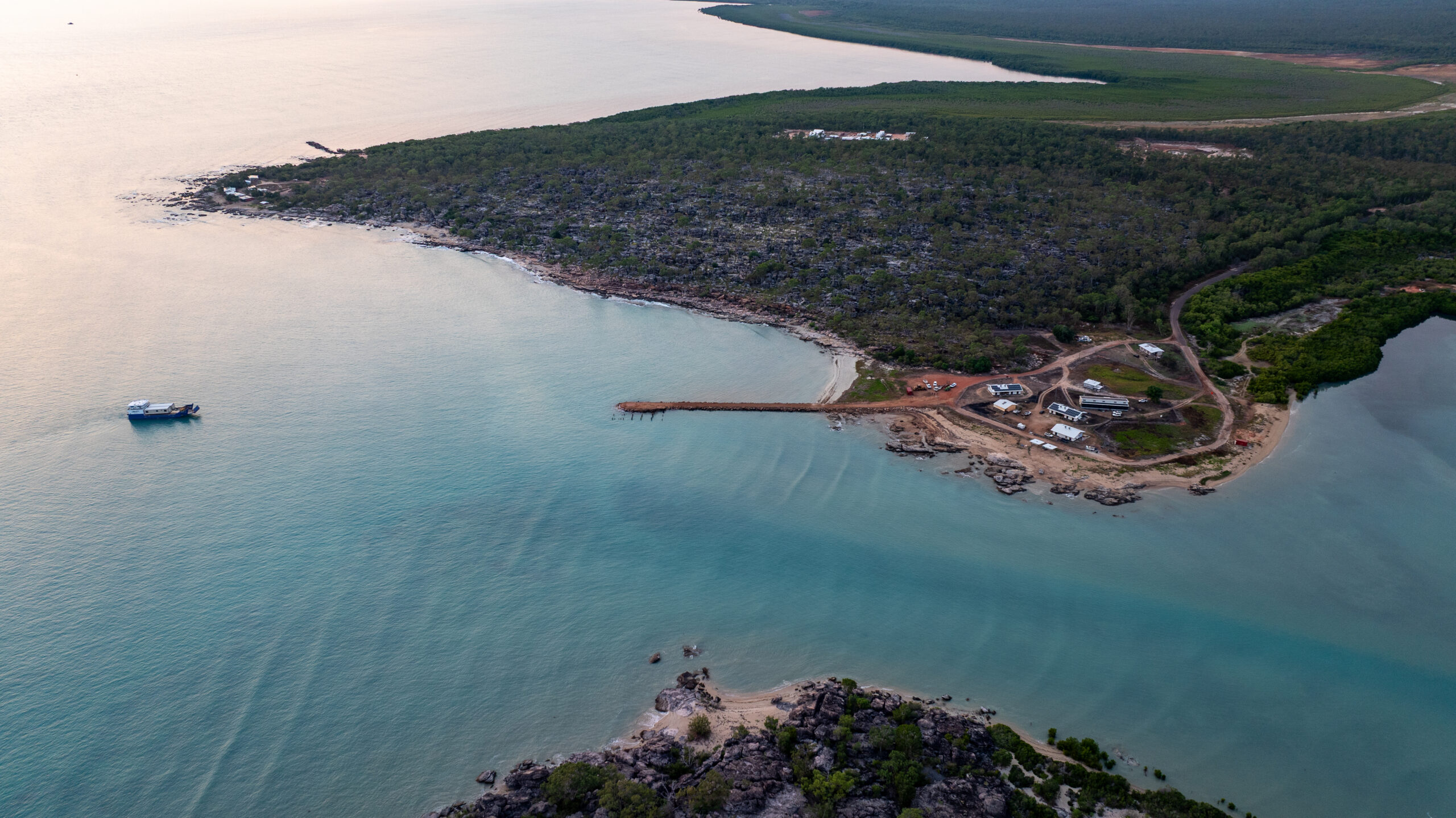
Great National Science Week ENVIRONMENT stories up for grabs now around AustraliaA future for Groote Eylandt after mining – Alyangula, NTSpinifex cookie dough to repair mine sites, and other seedy stories – Perth, WAHow Australia can lead in ocean protection – Sydney, NSWAddressing the health risks of climate change in the Red (hot) Centre – Alice Springs, NTMeet the microplastics researcher partnering with industry and other Queensland innovators – Brisbane, QLDFear, love and algae blooms: surfing scientists on our relationship with the ocean – Streaky Bay & Penong, SAArtists explore adaptation for survival in Science Gallery exhibition – Melbourne, VICSoil isn’t just dirt: the living world underground – Melbourne, VICOrchids threatened by social media – liked to death – Perth, WAPedal as you watch: bikes to power the big screen – Hobart, TASMore on these below andvisitScienceWeek. net. au/eventsto find more stories in your area. Scientists, experts, performers and event organisers are available for interview throughout National Science Week. Read on for direct contact details for each event, or contact Tanya Ha,tanya@scienceinpublic. com. auor 0404 083 863. Individual event details and media contactsA future for Groote Eylandt after mining – Alyangula, NTGroote Eylandt is the largest island in the Gulf of Carpentaria. Its economy relies heavily on manganese mining… which is ending. How do you create a secure future for an island in the middle of nowhere?Marine biology, Anindilyakwa culture and aquaculture are coming together through anaquaculture enterpriseto create jobs and protect the ocean. It’s a project of the Groote Holdings Aboriginal Corporation and the Anindilyakwa community. Sea cucumber (“trepang” in Anindilyakwa language) is the core product sold to the lucrative Chinese market where it is a culinary delicacy and is used in Chinese medicine. Dried sea cucumber is lightweight, high-value and non-perishable: important for a product that has to be shipped via a 5-day barge ride to Darwin and then exported. The enterprise puts an ecosystem to work to raise sea cucumbers in a way that cares for Sea Country. Droppings from seaweed-eating rabbitfish provide food for sea cucumbers. The rabbitfish also remove the seaweed scum that blocks the sunlight sea cucumbers need and provide a locally grown food source for the 2,100 people who live across the archipelago. Blacklip oysters help clean the system to the extent that the effluent water from the facility is cleaner than the water that enters it. The enterprise now produces oysters, fish for local consumption, and edible, as well as sea cucumber. Students from local Alyangula, Angurugu and Umbakumba schools will visit the Groote Aqua facility for four days of hands-on marine science, aquaculture, microscopes, water testing and community activities exploring how science and Indigenous knowledge can build a sustainable blue economy on Groote Eylandt. On the fourth day, the site will open to the wider community, giving everyone the chance to experience marine science in action and see the enterprise that will support lives and livelihoods after mining. Saturday 29 August. Event details:www. scienceweek. net. au/event/from-knowledge-to-independence-science-for-grootes-blue-future/alyangulaMedia enquiries: Valentin Thepot, Groote Aqua Aboriginal Corporation aquaculture manager,vthepot@grooteaqua. com. auor 0460 012 284. Val and aquaculture team members and Indigenous GHAC board members are available for media interviews. Spinifex cookie dough to repair mine sites, and other seedy stories – Kings Park, WACookie dough could be the key to rehabilitating mine sites. These sites are like moonscapes – arid and inhospitable – but can be brought back to life if soft spinifex (Triodia pungens) seeds can germinate, take hold and survive. Scientist are developing a ‘cookie dough’ like mixture they can add spinifex seeds to that will feed them, protect them, attract water and keep away pests as they germinate and grow. Local water lily species (Nymphaea lukei) that live in coastal freshwater wetlands are under threat from salt water intrusion. The lilies are very short lived and their seeds don’t like being dried. Scientists are trying to find ways to successfully bank the seeds. The seeds of critically endangered Bussell’s spider orchid (Caladnia busselliana) won’t germinate without a particular fungi partner. Conservation efforts are bringing it back from the brink. Meet the hidden heroes behind these and other seeds who are dedicating their careers to improve restoration and conservation of Western Australia’s native flora. Visitors to the Western Australia Botanic Garden can take a self-guided tour, find story panels hidden in the garden, learn about the resident plants and researchers, and complete a journey passport. People who return a completed passport receive one of the five collectible flora and seed pins, custom-designed by scientists. Saturday 15 – Friday 21 August. Event details:www. scienceweek. net. au/event/the-hidden-life-of-seeds-national-science-week-with-kings-park-science/perthMedia enquiries: Emily Denham,Emily. denham@dbca. wa. gov. auor 08 9480 3688. Kings Park Science communicatorEugenie Auand scientists are available for media interviews. How Australia can lead in ocean protection – Kensington, NSWWith the Global Ocean Treaty now signed, Greenpeace CEODavid Ritter, Torres Strait Islander actor and producerAaron Fa’Aoso, and author and social researcherRebecca Huntleywill map a path forward for protecting Australia’s oceans from climate change, overfishing and pollution. Expect Ritter’s pitch for how Australia could have the best-protected oceans on the planet, Fa’Aoso’s lived experience and storytelling from the Torres Strait, and a hosted conversation with Huntley on collective action. The event is presented by the UNSW Centre for Ideas. Tuesday 11 August. Event details:www. scienceweek. net. au/event/oceans-of-hope-3/kensingtonMedia enquiries: UNSW Centre for Ideas, centreforideas@unsw. edu. au or 02 9065 0485Addressing the health risks of climate change in remote Australia – Alice Springs, NTThe climate is changing: what does that mean for our health, especially in the Red (hot) Centre? And what can we do about it?Ask Dr Rishu Thakur, a researcher at the Menzies School of Health Research. She works with people living in remote regions so that they can data collection to monitor environmental conditions, document their lived experience of climate change, and co-design adaptation and mitigation strategies. Rishu has organised the ‘Science for Health: Climate and Health Awareness in Remote Australia’ events in Alice Springs so that locals can explore how the changing climate and extreme heat affect the health of the environment and, directly and indirectly, human health. Students can also learn about science and health careers. The day will include a Solar Centre scavenger hunt exploring renewable energy, tracking air quality with apps, soil and water testing, microscope sessions exploring beneficial versus harmful microbes and the importance of hand hygiene, and a fun climate and health quiz. Temperature monitoring with thermal cameras will show indoor versus outdoor heat, the value of shade, and how hot it gets in a closed car – all in full heat-mapping colour. And thermochromic paint (paint that changes colour with temperature) will be used to visually demonstrate surface heat. Wednesday 19 August. Event details:www. scienceweek. net. au/event/science-for-health-climate-and-health-awareness-in-remote-australia/sadadeen/Media enquiries: Rishu Thakur, rishu. thakur@menzies. edu. au or 0469 019 994. Meet the microplastics researcher partnering with industry – Hamilton, QLDMicroplastics researcherDr Cassandra Rauertand the robotics engineers building Australia’s Moon rover will headline the Science Week Business Showcase, a free evening exploring how science, technology, engineering and maths shape Brisbane businesses. Dr Rauert, a Senior Research Fellow at the Queensland Alliance for Environmental Health Sciences, will discuss her world-leading microplastics research and industry partnerships, while EPE Engineers will share how they are building Australia’s “Roo-ver” robot for the Moon. Environmental scientist and Queensland Chief ScientistProf Kerrie Wilsonwill also talk about the strategy driving Queensland’s sustainable economic growth. Thursday 13 August. Event details:www. scienceweek. net. au/event/science-week-business-showcase/hamiltonMedia enquiries: Alana Rauert, Alana@bncc. com. au or 0417 041 929. Dr Cassandra Rauert, Prof Kerrie Wilson and EPE engineers are available for media interviews. Do you love the ocean, or fear it? – Streaky Bay & Penong, SASpending time with the ocean changes how we think, feel and act. Science in the Outback Pub will explore biophilia and biophobia – our love and fear of the sea – with two scientists who also love surfing examining how spending time by the ocean changes the way people think, feel and act. Dr Brianna le Busquefrom Adelaide University examines the growing evidence behind our deep emotional and psychological ties to “blue spaces,” showing how the ocean can improve mood, reduce stress, and foster feelings of calm and energy. She’s also studying people’s anxiety around the impacts of South Australia’s harmful algal bloom. Dr Rebecca Olivefrom RMIT University is turning surfers, swimmers and walkers into beach scientists. They provide photos and data for +coastal monitoring, such as day-to-day wave movements or algal bloom sitings, via CoastSnap, a citizen science platform and app. She is an expert in human-environment relationships. They’re giving talks and bring their research out of the lab and into public venues in Streaky Bay and Penong. Streaky Bay: Tuesday 18 August. Event details:www. scienceweek. net. au/event/science-in-the-outback-pub-2/streaky-bayPenong: Wednesday 19 August. Event details:www. scienceweek. net. au/event/science-in-the-outback-pub-3/penong/Media enquiries: Grayson Cooke, grayson. cooke@sa. gov. au or 0415 428 906. Brianna le Busque, Rebecca Olive and event organiser Grayson Cooke are available for media interviews. Artists explore adaptation for survival in Science Gallery exhibition – ParkvilleUS artistDavid Bowenuses wind data collected from the Perseverance Mars rover to maketele-present wind,while designer and academicAlia Parkergrew vats of fungal leather for her collection of modern mushroom clothing that is naturally fire-retardant, hydrophobic and compostable (pictured). Patricia Piccinnispent a year immersed in stem cell research laboratories to createCélulas Madre, which revisits her seminal early work Still Life with Stem Cells. These collisions of art and science are all part of EMERGENCE(Y), an exhibition at the University of Melbourne’s Science Gallery that explores how humanity can adapt in the face of environmental, social and political collapses. Saturday 15 to Saturday 22 August. Event details:www. scienceweek. net. au/event/emergencey/parkville-vic-3052Media enquiries: Katrina Hall,kathall@ozemail. com. auor 0421 153 046Exhibition curator Tilly Boleyn, Australian designer and academic Alia Parker and US artist David Bowen are available for media interviews. Soil isn’t just dirt: the living world underground – Carlton, VICBeneath our feet, vast interconnected networks of fungi and microbes quietly sustain life – shaping healthy soils, supporting food systems and locking away carbon. The Secret Life of Soil takes audiences underground to meet them. ABC Radio National’sHilary Harperhosts Gardening Australia’sHannah Moloneyand Museums Victoria’sSimon Hinkleyas they explore how modern agriculture has disrupted these systems and how regenerative practices might repair them. Thursday 20 August. Event details:www. scienceweek. net. au/event/the-secret-life-of-soil/carltonMedia enquiries: Museum Media,media@museum. vic. gov. auor 0466 622 621Orchids threatened by social media – liked to death – Kings Park, WASocial media popularity is threatening some of Australia’s most delicate orchid species, attracting well-meaning nature lovers to sensitive sites in destructive numbers, a recentstudyrevealed. Study co-authorDr Belinda Daviswants people to help protect these orchids. Based at Kings Park Science, she manages the only collection in WA of orchid seeds, friendly fungi and a living collection of orchids. She will be joining Dr Magali Wright from Landscape Recovery Foundation, Tasmania for an evening talk about enjoying orchids in the wild while minimising harm, drawing on their personal experiences working with orchids. Friday 4 September. Event details:www. scienceweek. net. au/event/liked-to-death-how-social-media-is-threatening-australias-orchids/kings-park/Media enquiries: Emily Denham,Emily. denham@dbca. wa. gov. auor 08 9480 3688Kings Park science communicator Eugenie Au and WA orchid expert Belinda Davis are available for media interviews. Dr Davis She can be filmed in the lab and working in the glasshouse with rare orchids in full bloom. Pedal as you watch: bikes to power the big screen – New Town, TASMoviegoers in New Town will pedal two bikes to generate the electricity powering the projector at Pedal Powered Cinema, screening children’s films followed by (rated M), the true story of a boy in Malawi who invents an unconventional way to save his village from famine. Energy expertMike Fewingswill explain how the bike-powered system of batteries and inverters works, prompting discussion about generating personal power and other ways to help the environment. Pedal-powered smoothies and pizza will be on offer between screenings. Saturday 22 August. Event details:www. scienceweek. net. au/event/pedal-powered-cinema/new-townMedia enquiries: Maree Bakker, Maree. Bakker@nre. tas. gov. au or 0476 906 800Maree Bakker, Australian Association for Environmental Education (Tasmania), and energy expert Mike Fewings are available for interview. Photo opportunities: a test-run of the tech in early August, and a photo/video opportunity of a young person pedalling to charge the battery just before the event.