Study Finds Climate Change Could Worsen Global Inequality And Cause 430,000 Extra Deaths By 2050 - Sigma Earth
Home»Environmental News»Study Finds Climate Change Could Worsen Global Inequality And Cause 430,000 Extra Deaths By 2050Climate change could worsen global inequality as rising temperatures increasingly expose. . .
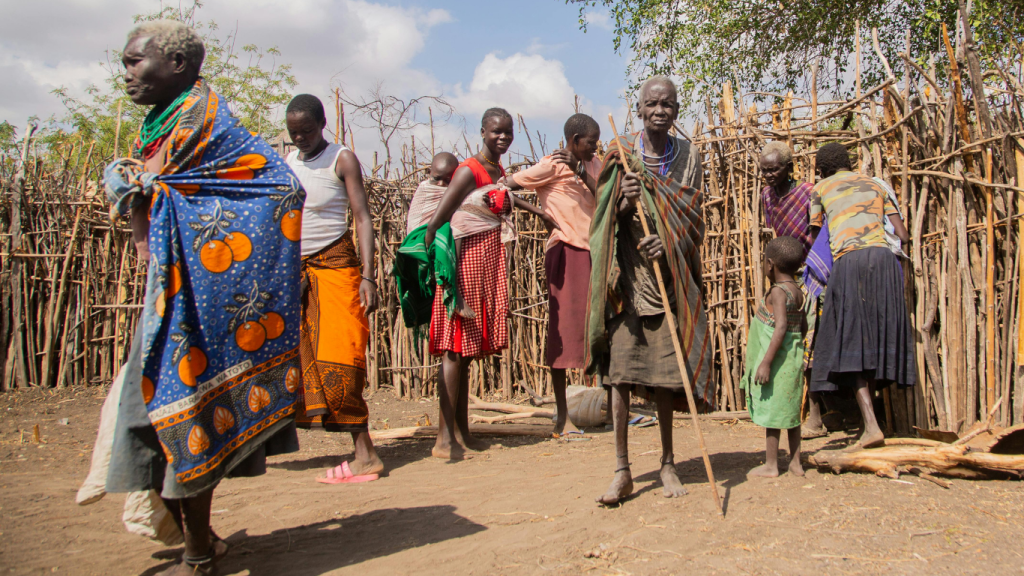
Home»Environmental News»Study Finds Climate Change Could Worsen Global Inequality And Cause 430,000 Extra Deaths By 2050Climate change could worsen global inequality as rising temperatures increasingly expose the stark differences in how countries can protect their populations from extreme heat, according to anew reportby the Climate Impact Lab. The report estimates thatclimate-driven temperature changes could contribute toapproximately 430,000 additional deaths every year by 2050compared with historical conditions, with poorer countries expected to suffer 10 times more deaths than wealthier nations. The findings reveal that access to electricity and cooling technologies, particularly air conditioning, will become a defining factor in climate resilience. While richer nations are projected to significantly expand cooling infrastructure, millions of people in low-income countries may remain trapped without reliable electricity, making them far more vulnerable to deadly heatwaves. Unequal Access to Cooling Drives Rising RisksThe report highlights that air conditioning has become one of the most effective tools for reducing heat-related illness and mortality. “Air conditioning is a lifesaver,” said Michael Greenstone, co-founder of the Climate Impact Lab and professor at the University of Chicago. However, he noted that many low-income nations lack the reliable and affordable electricity needed to expand cooling access as temperatures continue to rise. Researchers project thatelectricity demand for cooling will increaseseven times more in middle-income countriesthan in low-income nations because ofclimate change. In many poorer countries, the expected increase in electricity consumption per person would only be sufficient to power a single LED light bulb for approximately four months, illustrating the enormous gap in adaptation capacity. Also Read:US Electricity Grids Face Growing Stress From Heatwaves And AI Expansion‘Mortality-Cooling Trap’ Threatens MillionsThe report identifies regions across 18 countries, home to 676 million people, facing what researchers describe as a “mortality-cooling trap. ”These are areas experiencing severe heat exposure while also having limited growth in electricity access. Together, theseregions are projected to account foraround 377,000 heat-related deaths annually by 2050. Most affected countries include Niger, Mali, Burkina Faso, Chad, Pakistan, Bangladesh, Nepal, and Myanmar. The report comparesNigerandSaudi Arabia, noting that although both experience extreme heat, Saudi Arabia has significantly greater capacity to expand cooling infrastructure. By 2050, communities in Niger are projected to experience27,000 more climate-related deaths annuallythan those in Saudi Arabia. Also Read:Teenagers Have The Most Climate-Warming Diets Of Any Age Group, New Study FindsClimate Adaptation Requires More Than ElectricityResearchers say climate change could worsen global inequality unless governments invest not only in electricity access but also in broader climate adaptation measures. According to Ashwin Rode, a fellow at the Climate Impact Lab, the study pinpoints communities most vulnerable to heat-related mortality because they lack access to cooling technologies. The report recommends several priority actions, including:Expanding reliable and affordable electricity accessDeveloping heat early warning systemsImplementing heat action plansStrengthening healthcare servicesIncreasing urban greening initiativesProviding targeted social protection programmesIt also argues that electricity market reforms should become a central part of national climate adaptation strategies. Also Read:Hours After CJP Protest Ends, NDMC Clears 60 Tonnes Of Waste From Jantar MantarKey FindingsCategoryFindingAdditional Annual Deaths by 2050Around430,000Death Burden10 times higherin poorer countriesCountries Facing Mortality-Cooling Trap18Population at Highest Risk676 million peopleAnnual Heat Deaths in High-Risk AreasAround377,000Cooling Electricity Growth7× higher in middle-income than low-income countriesHighly Affected RegionsNorthern Sub-Saharan Africa and South AsiaThe Climate Impact Lab’s findings underscore that climate change is not only an environmental challenge but also a growing social and economic issue. As global temperatures continue to rise, unequal access to electricity, cooling technologies, healthcare, and climate adaptation measures could significantly widen existing disparities between wealthy and developing nations. The report concludes that strengthening energy infrastructure alongside public health planning will be essential to reducing heat-related deaths and building resilience in the world’s most vulnerable communities. Also Read:WWF: Australian Government Spends Four Times More On Fossil Fuels Than Renewable EnergySarah Tancredi is an experienced journalist and news reporter specializing in environmental and climate crisis issues. With a deep passion for the planet and a commitment to raising awareness about pressing environmental challenges, Sarah has dedicated her career to informing the public and promoting sustainable solutions. She strives to inspire individuals, communities, and policymakers to take action to safeguard our planet for future generations. View all posts