Sundar Pichai's Alphabet Has Grown Google Cloud Revenue 82% Year Over Year. Here's Why That Growth Rate Justifies the Company's Capex Bet. | The Motley Fool
Artificial intelligence (AI) has become the defining force reshaping cloud computing, with platforms fromMicrosoftAzure,AmazonWeb Services (AWS), and Google Cloud embedding generative models, custom. . .
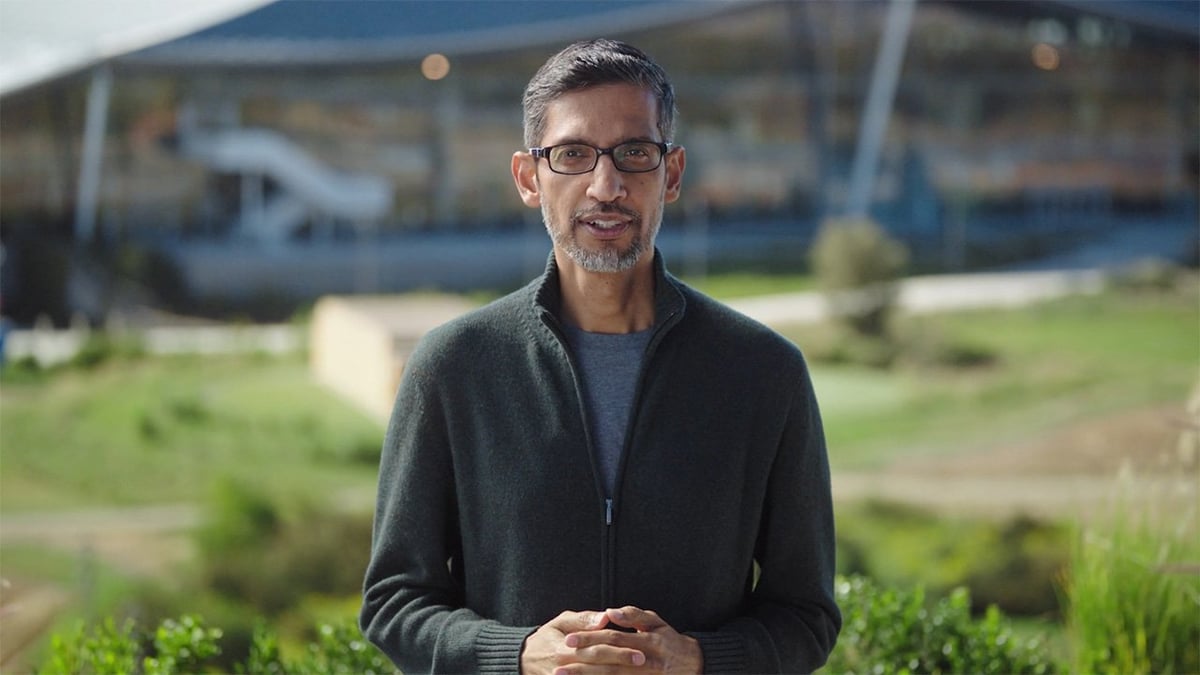
Artificial intelligence (AI) has become the defining force reshaping cloud computing, with platforms fromMicrosoftAzure,AmazonWeb Services (AWS), and Google Cloud embedding generative models, custom accelerators, and agentic tools directly into their ecosystems. These hyperscalers compete not only on storage and compute, but also on how AI can be deployed at enterprise scale. Although Google Cloud trails its rivals in overall market share, the platform's trajectory stands apart: Sustained acceleration far outpaces other industry leaders, providing clear validation forAlphabet's(GOOGL-0. 96%)(GOOG-0. 88%)aggressivecapital expenditure(capex) plans. Alphabet CEO Sundar Pichai. Image source: Alphabet. Breaking down Google Cloud's explosive growthDuring the second quarter, Google Cloud revenue reached $24. 8 billion -- up 82% year over year. Operating income more than tripled to $8. 8 billion, lifting the segment margin from 20. 6% to 35. 5%. Google Cloud ended the quarter with $514 billion in backlog, with over half expected to be recognized as revenue over the next two years. A distinctive development during the second quarter was Alphabet's first recognition of revenue from its custom silicon, called Tensor Processing Units (TPU). During the earnings call, Alphabet CEO Sundar Pichai stated that Google Cloud's "momentum is driven by our integrated AI portfolio consisting of chips, models, data, security, andagent platforms, all designed to work together. "By designing its own chips, integratingGemini modelsacross analytics, security, and enterprise services, Google Cloud is able to generate "diversified demand across products, customers, geographies, and industries. "Today's Change(-0. 96%) $-3. 45Current Price$354. 30What is Alphabet spending AI capex on?Alphabet raised its 2026 capexguidanceto $195 billion to $205 billion, up from a prior range of $180 billion to $190 billion. Roughly 60% of Alphabet's quarterly capex outlay went to servers, while the remainder was allocated toward data centers and networking equipment. Management made it clear that demand for more capacity still exceeds available supply, even after years of successive increases to infrastructure spend. For this reason, Alphabet expects further capex growth throughout 2027. Notably, temporary reliance onthird-party capacitywill likely continue to pressure profit margins. Data byYCharts. Why Alphabet's capex budget is justifiedDespitefree cash flowturning negative to $5. 9 billion in the second quarter, Alphabet still generated $39. 1 billion in operating cash flow and $185. 7 billion over the trailing 12 months. In addition, Alphabet's overall operating income rose 30% to $40. 8 billion -- demonstrating ample capacity to self-fund its AI build-out while maintaining a resilient balance sheet supported by cash anddiversified financing. In my eyes, the long-run payoff remains visible: Google Cloud's margin expansion and backlog surge validate that the AI infrastructure investments are translating directly into high-margin, high-growth revenue. Against this backdrop, Alphabet's robust profitability provides both the financial means and the necessary proof that its capital intensity is not only justified but essential to capture the next phase of cloud leadership.