Tennessee court temporarily blocks state health officials from sharing undocumented ill children’s information
A judge in Nashville granted a temporary restraining order Wednesday evening to stop the Tennessee Health Department from sharing identifying information ofundocumented children who have critical illnesses or. . .
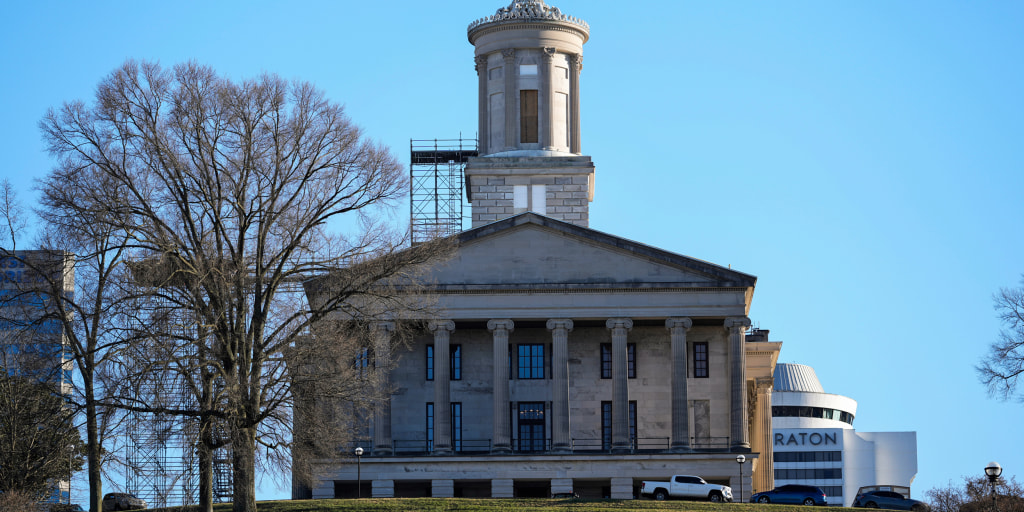
A judge in Nashville granted a temporary restraining order Wednesday evening to stop the Tennessee Health Department from sharing identifying information ofundocumented children who have critical illnesses or physical disabilitieswith the state’s immigration enforcement office. The order by Chancellor Patricia Head Moskal of the Davidson County Chancery Court was issued shortly after a Tennessee legal and advocacy nonprofit groupfiled a lawsuitagainst the Health Department. The suit was filed on behalf of three Nashville physicians seeking to block the implementation of a newstate lawset to go into effect next week. The law requires local health departments to “report individuals and all identifying information about such individuals who are not lawfully present in the United States” to the Centralized Immigration Enforcement Division, a state office created last year to oversee collaboration with federal immigration authorities. Some of that identifying information included the names of about 400 immigrant children who receive lifesaving care through a specialized public health care program known as Children’s Special Services. The parents of those children received letters from the Health Department this month letting them know that if they kept their sons and daughters enrolled in the program past June 30, the agency would turn their children’s information over to state immigration authorities. Brenda, a Honduran woman whose 12-year-old daughter has cerebral palsy and epilepsy, said the letters posed a great conundrum to parents like her. Removing children from the program means they won’t be able to pay for the medical services they need, “but if we stay, they’ll come knocking on our door asking about our children as if they were criminals — we are waiting for a miracle to stop the new state law from going into effect next month,” said Brenda, who spoke on condition that only her first name be used for fear of retribution. Michele Johnson, executive director of the Tennessee Justice Center, described the judge’s order as “the miracle Brenda asked for. ”It means the “state cannot go forward with the policy” until the judge makes a final decision in the case, said Johnson, who leads the organization representing the physicians in the lawsuit. The Health Department did not respond to a request for comment Thursday. The Tennessee Justice Center is now advising families who may be affected not to remove their children from the Children’s Special Services program until a final decision is issued. A hearing is scheduled for July 2 at the Davidson County Chancery Court in Nashville. Considered “a payer of last resort,” Children’s Special Services is a publicly funded program that helpslow-income familiesaffordcostly treatmentssuch as surgery, medications and rehabilitation services. The program, which receives a mix ofstate funding and a federal block grant, spent $2. 19 million in claims to support 4,640 children in Tennessee who received medical payment assistance along with essential care coordination services in 2024, according to the latestannual reportfrom the Health Department. The plaintiff physicians said in court filings that they have pediatric patients who rely on the program and that if the law goes into effect in the future, those patients stand to lose their care. Their patients include children who haveseizure disorders, congenital heart diseasesthat require surgery, cerebral palsy, traumatic brain injuries andleukemia, as well as others who needfeeding tubes and ventilatorsto treat their illnesses, according to their court declarations.