The Growing Importance of Lighting Quality in Health-Focused Environments | The Healthcare Guys
Health and wellness spaces are undergoing significant transformation. Hospitals, clinics, rehabilitation centers, senior living communities, wellness facilities, and even modern medical offices are increasingly designed around patient comfort, staff efficiency, and overall well-being. While medical technology often receives the most attention, environmental factors such as lighting play a surprisingly important role in shaping healthcare experiences. […]
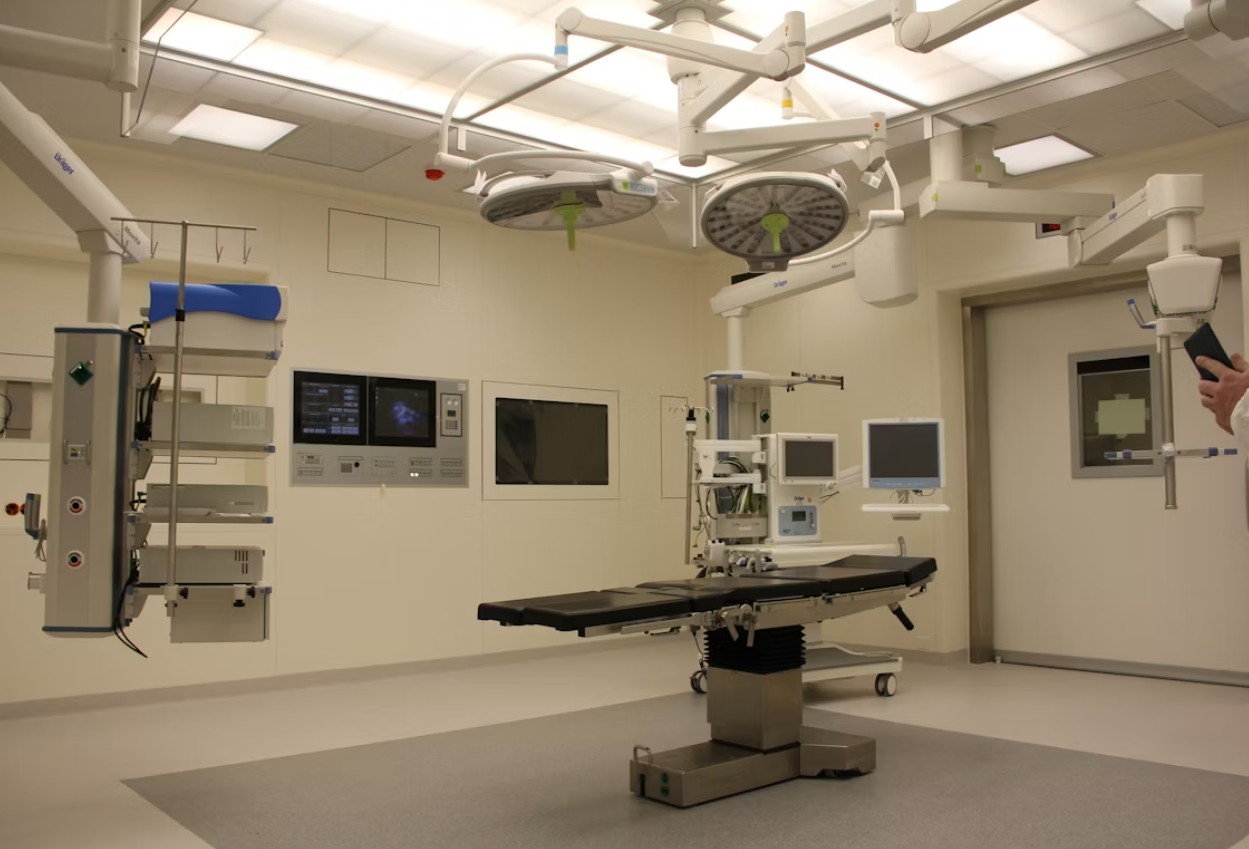
Health and wellness spaces are undergoing significant transformation. Hospitals, clinics, rehabilitation centers, senior living communities, wellness facilities, and even modern medical offices are increasingly designed around patient comfort, staff efficiency, and overall well-being. While medical technology often receives the most attention, environmental factors such as lighting play a surprisingly important role in shaping healthcare experiences. Lighting affects visibility, comfort, mood, concentration, and the perception of cleanliness. As a result, facility designers and healthcare operators are paying closer attention to how lighting systems contribute to both patient outcomes and operational performance. In this context, products sourced from a professionalCOB LED strip factoryare becoming an increasingly common choice for modern health-focused environments. Why Lighting Matters in Healthcare SettingsHealthcare facilities differ from many commercial environments because occupants often spend extended periods within the space. Patients recovering from illness, residents in long-term care facilities, healthcare professionals working long shifts, and visitors supporting loved ones all interact with the lighting environment throughout the day. Poor lighting can create discomfort, visual fatigue, and an unwelcoming atmosphere. Conversely, well-designed lighting can contribute to a calmer and more reassuring environment. This is particularly important in areas such as:Patient roomsWaiting areasConsultation roomsRehabilitation centersSenior care facilitiesWellness clinicsIn these settings, lighting is expected to provide more than illumination. It must support comfort while maintaining practical functionality. The Shift Toward Indirect and Architectural LightingModern healthcare design increasingly emphasizes indirect lighting strategies. Rather than relying solely on bright overhead fixtures, designers often integrate lighting into ceilings, walls, corridors, furniture, and architectural features. This approach helps reduce glare while creating a more welcoming atmosphere. LED strip lighting has become particularly popular for applications such as:Cove lightingCorridor guidance lightingReception areasUnder-counter illuminationWall accentsWayfinding systemsBecause LED strips can be concealed within architectural details, they provide illumination without drawing attention to the light source itself. This subtle lighting approach aligns well with modern healthcare design principles that prioritize comfort and stress reduction. Why COB Technology Is Well-Suited for Health EnvironmentsOne challenge with some traditional LED strip technologies is the appearance of visible light points. While this may not be problematic in certain commercial applications, healthcare environments often require a softer and more refined lighting experience. COB LED technology addresses this issue by producing continuous, uniform illumination. Instead of creating individual visible light dots, COB strips generate a smooth line of light that appears more natural and visually comfortable. This characteristic is particularly beneficial in:Patient recovery roomsWellness centersPhysical therapy clinicsSenior living facilitiesMedical reception spacesUniform illumination helps create a calmer visual environment while supporting modern architectural aesthetics. For healthcare designers seeking to balance functionality and comfort, this is a significant advantage. Supporting Hygiene and Maintenance RequirementsCleanliness is a fundamental requirement in healthcare environments. Every component within a medical facility must support efficient cleaning procedures and ongoing maintenance. Lighting systems are no exception. One often-overlooked advantage of COB technology is its relatively smooth lighting surface. Compared with exposed LED point designs, the continuous surface can simplify routine cleaning in many indoor applications. Dust accumulation and visible debris are easier to identify and remove, helping facilities maintain a cleaner overall appearance. While lighting products alone do not determine hygiene standards, design choices that simplify maintenance can contribute positively to facility operations. For healthcare operators managing large buildings, reducing maintenance complexity is always valuable. Long-Term Reliability in Critical EnvironmentsHealthcare facilities frequently operate around the clock. Unlike many commercial spaces that close overnight, hospitals, emergency clinics, and care facilities often require continuous operation. As a result, lighting reliability becomes particularly important. Unexpected lighting failures can create inconvenience for staff and discomfort for patients. In certain situations, inadequate lighting may even affect operational efficiency. This is one reason many procurement teams evaluate anLED strip OEM manufacturernot only on product specifications but also on manufacturing consistency and quality assurance practices. Reliability is often determined by factors such as:Component qualityThermal managementPCB constructionProduction standardsQuality control processesThese manufacturing decisions influence long-term performance far more than marketing claims. Healthcare organizations that prioritize dependable products often benefit from lower maintenance costs and reduced disruptions over time. The Role of Voltage Stability in Large FacilitiesModern healthcare campuses can be extensive. Long corridors, interconnected buildings, rehabilitation wings, and administrative areas frequently require continuous lighting installations. In these applications, voltage performance becomes an important technical consideration. When LED strips extend across longer distances, voltage drop can affect brightness consistency. Many designers therefore favor 24V systems because they help minimize voltage drop and maintain more uniform illumination over extended runs. Consistent brightness is particularly important in healthcare environments where visual clarity contributes to both comfort and safety. Whether lighting is installed in corridors, nurse stations, or wayfinding systems, uniform performance helps create a more professional and reliable environment. Human-Centered Design and Wellness TrendsHealthcare design is increasingly influenced by the concept of human-centered environments. This approach recognizes that the physical environment can influence how people feel, behave, and interact within a space. Lighting is a central component of this philosophy. Warm, welcoming illumination can help reduce anxiety in waiting rooms. Soft indirect lighting can improve comfort in recovery areas. Well-planned pathway lighting can assist navigation for elderly visitors and patients. As wellness-focused design continues to evolve, lighting systems are expected to support emotional comfort as well as operational functionality. This trend extends beyond hospitals and clinics. Fitness centers, spas, wellness studios, and preventive healthcare facilities are also investing in architectural lighting solutions that create healthier and more inviting spaces. Why Manufacturing Expertise MattersAs healthcare facilities place greater emphasis on lighting quality, selecting the right manufacturing partner becomes increasingly important. A professional COB LED strip factory understands not only product specifications but also the practical requirements of real-world installations. Technical expertise, quality control, production consistency, and long-term support all contribute to successful project outcomes. For healthcare operators and project planners, these factors often have a greater impact than minor differences in upfront product costs. Investing in reliable lighting solutions helps ensure that facilities remain comfortable, functional, and efficient for years to come. ConclusionLighting has become an essential element of modern healthcare and wellness design. Beyond basic illumination, it influences comfort, cleanliness, safety, and the overall experience of patients, staff, and visitors. As demand for human-centered environments continues to grow, products supplied by a reliable COB LED strip factory are increasingly being incorporated into hospitals, clinics, rehabilitation centers, and wellness facilities. Their ability to provide uniform illumination, support architectural integration, simplify maintenance, and deliver long-term reliability makes them well suited to the evolving needs of health-focused spaces. In an industry where comfort and consistency matter every day, thoughtful lighting design can make a meaningful difference. SHARE THIS ARTICLE