The health checks every woman should prioritise at every stage of life
Routine health screenings can detect potential issues before symptoms appear, making treatment more effective and, in many cases, preventing serious illness altogether. Knowing which health checks to prioritise at each age can help you stay proactive rather than reactive.
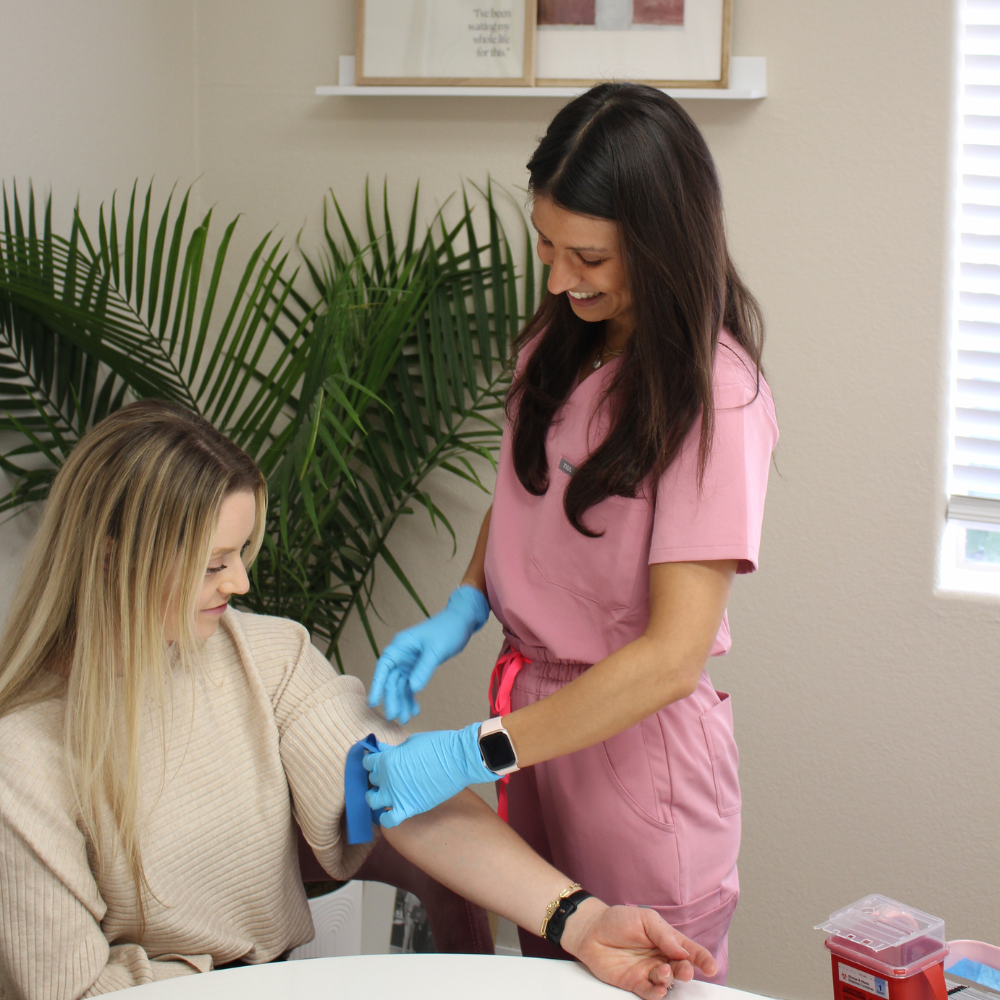
Your health needs aren’t static, they evolve as you move through different phases of life. Routine health screenings can detect potential issues before symptoms appear, making treatment more effective and, in many cases, preventing serious illness altogether. Knowing which health checks to prioritise at each age can help you stay proactive rather than reactive. While eating well, staying active and managing stress all contribute to long-term wellbeing, preventative healthcare remains one of the most powerful tools women have for protecting their health. Here’s a guide to the essential health checks every woman should consider throughout her life. In your 20s: Building healthy foundationsYour twenties are often focused on careers, relationships and independence, but they’re also the ideal time to establish healthy habits and get familiar with your body. Annual general health checkAn annual visit to your healthcare provider helps monitor:Blood pressureWeight and Body Mass Index (BMI)Lifestyle habitsMental wellbeingVaccination statusThese appointments also create a valuable baseline for future health. Cervical cancer screeningDepending on your country’s guidelines, cervical screening (often called a Pap smear or HPV test) usually begins between ages 21 and 25 or after becoming sexually active. Regular screening can identify abnormal cervical cells long before they develop into cancer. Sexual health screeningSexually active women should discuss STI testing with their healthcare provider, even if they don’t have symptoms. Regular screening is especially important when entering new relationships or if multiple partners are involved. Breast awarenessRather than performing rigid monthly self-exams, experts now encourage women to become familiar with how their breasts normally look and feel. Report any changes such as:New lumpsSkin dimplingPersistent painNipple dischargeChanges in breast shapeIn your 30s: Prevention becomes even more importantMany women spend this decade balancing demanding careers, family life and pregnancies, making preventative healthcare easy to postpone. Don’t. Continue cervical screeningRemain consistent with recommended cervical cancer screenings according to your doctor’s advice. Blood pressure monitoringHigh blood pressure often develops without symptoms. Regular monitoring reduces the risk of:Heart diseaseStrokeKidney diseaseCholesterol and blood sugar testingIf you have risk factors such as family history, being overweight, high blood pressure or gestational diabetes during pregnancy, your healthcare provider may recommend earlier cholesterol and diabetes screening. Skin checksMonitor moles and changing skin lesions, particularly if you spend significant time outdoors or have a family history of skin cancer. In your 40s: Expanding your preventative careMany chronic conditions begin developing quietly during your forties. This is when more comprehensive screening becomes increasingly valuable. MammogramsRecommendations differ slightly between countries and based on personal risk factors. Women should discuss with their doctor when to begin regular mammograms, especially if there is a strong family history of breast cancer. Comprehensive blood testsRoutine blood work may include:CholesterolBlood glucoseThyroid functionIron levelsVitamin DKidney and liver functionThese tests can identify hidden health concerns before symptoms appear. Eye examinationVision naturally changes with age. Regular eye exams can also detect:GlaucomaCataractsDiabetes-related eye diseaseMental health check-inHormonal fluctuations, career stress and caregiving responsibilities can affect emotional wellbeing. Regular conversations with your healthcare provider about anxiety, depression, sleep and stress are just as important as physical health. In Your 50s: Managing midlife healthMenopause introduces significant hormonal changes that influence nearly every system in the body. Health monitoring becomes increasingly comprehensive. Bone density scanFalling oestrogen levels increase the risk of osteoporosis. Women at higher risk may need bone density testing earlier, while many are advised to begin screening around menopause or after age 65, depending on individual risk factors and local guidelines. Colorectal cancer screeningMost women should begin colorectal cancer screening around age 45, though the exact age depends on personal and family history and national recommendations. Options may include:Stool-based testsColonoscopyOther screening methodsCardiovascular risk assessmentHeart disease remains one of the leading causes of death among women. Your doctor may assess:Blood pressureCholesterolBlood sugarWeightFamily historyLifestyle habitsHearing testSubtle hearing loss often develops gradually. Early identification improves long-term quality of life. In your 60s and beyond: Prioritising healthy ageingHealthy ageing is about maintaining independence, mobility and quality of life. Regular health checks help detect issues before they become disabling. Bone healthContinue monitoring osteoporosis risk and discuss treatments if necessary. Vision and hearingAnnual assessments help reduce the risk of falls, social isolation and cognitive decline. Diabetes and heart healthContinue monitoring:Blood pressureCholesterolBlood glucoseKidney functionCognitive healthSpeak to your doctor if you notice:Persistent memory changesConfusionDifficulty completing familiar tasksEarly assessment doesn’t always indicate dementia but can identify treatable causes of cognitive changes. Health checks that matter at every ageRegardless of your age, some aspects of health deserve regular attention throughout adulthood. Dental check-ups –Healthy teeth and gums support overall health and may reduce the risk of certain chronic conditions. Eye exams –Even without vision problems, routine eye examinations can identify silent diseases early. Mental health –Emotional wellbeing deserves the same attention as physical health. Never hesitate to seek support if you’re struggling with:AnxietyDepressionChronic stressBurnoutSleep health –Persistent fatigue, loud snoring or poor-quality sleep should be discussed with a healthcare professional. Sleep disorders can affect heart health, metabolism and mental wellbeing. Your family history mattersSome women require earlier or more frequent screening because of their family history. Speak with your doctor if close relatives have had:Breast cancerOvarian cancerColon cancerHeart diseaseDiabetesOsteoporosisPersonalised screening plans often offer the greatest protection. Preventative healthcare isn’t about expecting something to be wrong, it’s about giving yourself the best chance to stay healthy for decades to come. Every stage of life brings new opportunities to care for your body, and regular health checks can help detect problems early, when they’re often easier to treat. Rather than waiting until symptoms appear, make routine screenings part of your self-care routine. Your future self will thank you for every appointment you keep today. ALSO SEE:Recovery isn’t one-size-fits-all. Why women’s bodies need different recoveryFeatured Image: DupePhoto