The Link Between Loneliness and Physical Health
Feeling cut off from others can affect more than mood. The link between loneliness and physical health is clear: it can raise blood pressure, disturb sleep, and make it harder for the body to fight infection. . . .
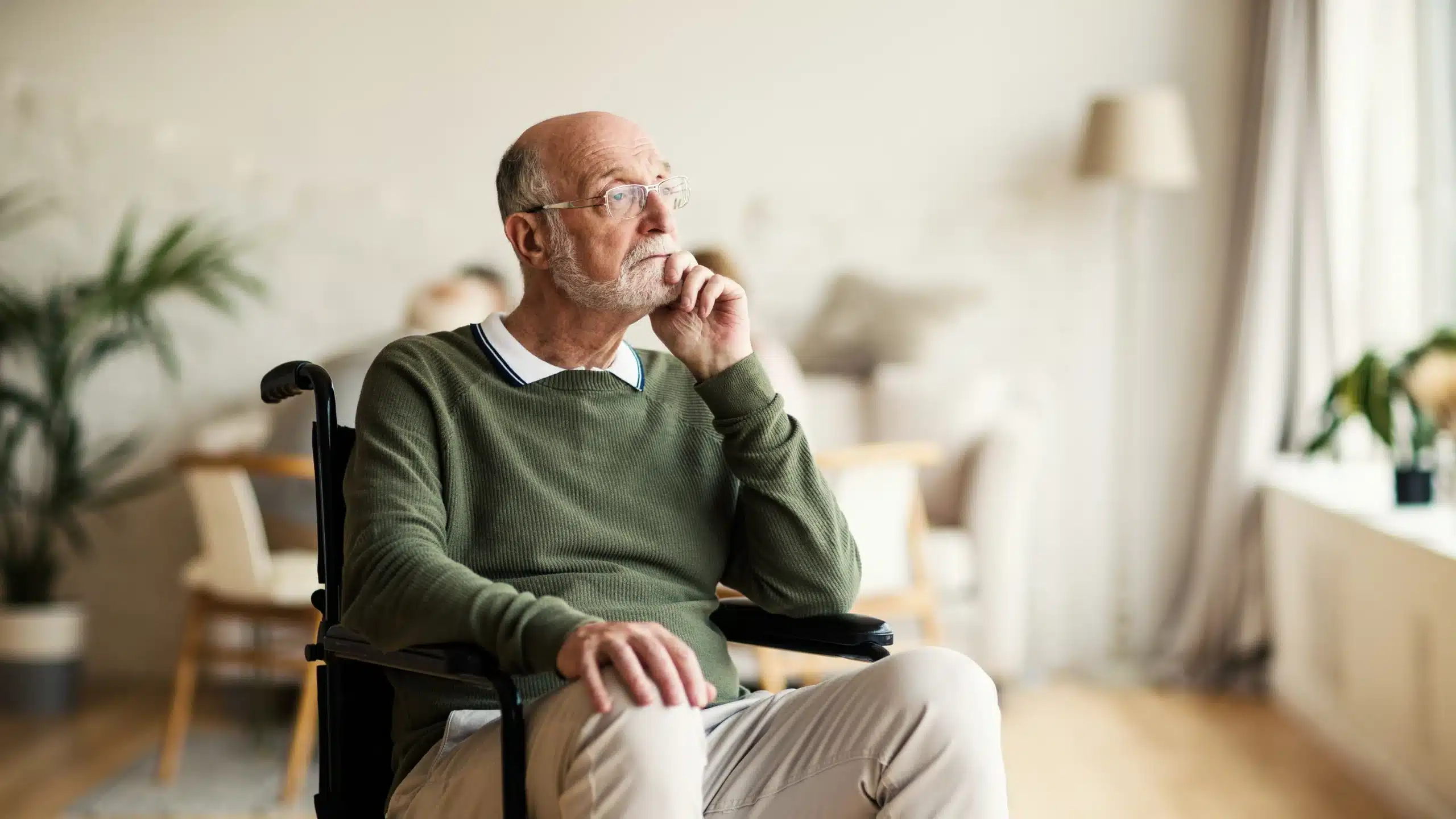
Feeling cut off from others can affect more than mood. The link between loneliness and physical health is clear: it can raise blood pressure, disturb sleep, and make it harder for the body to fight infection. Recent research highlights the significant impact of loneliness on physical health. Left unaddressed, the effects of loneliness can cause slow recovery and also increase the risk of illness. At Caremark, we’re here to help you or someone you love feel connected again. With practical support and warm companionship that builds confidence, routine and wellbeing at home. Understanding Loneliness, Social Isolation and Who May Be Most at RiskLoneliness is the personal feeling of being disconnected, even when people are nearby. Social isolation is having few contacts or infrequent interactions. Someone may be isolated and lonely, or they may be socially active but still feel alone. Knowing the difference helps us tailor the right support. The reasons people become isolated and lonely change across life. Younger adults can feel adrift during big transitions or when most contact is online. In midlife, a relationship breakdown or a house move can unsettle routines. Later in life, retirement, bereavement and reduced mobility can limit both social contact and a sense of belonging. Common Risk Factors Include:Living alone,recent bereavementor divorceLong-term health conditions, disability or reduced mobilityCaring responsibilities that limit personal timeHearing or sight loss that makes socialising harderLimited transport or living in a rural areaFinancial pressures as well as lack of digital accessOur Care Assistants are trained to spot early signs that someone is becoming isolated and lonely. For example, these signs might include a loss of interest in usual hobbies, disrupted sleep, appetite changes, missed appointments, reduced personal care, a build-up of post or clutter, or comments like “I’ve not spoken to anyone for days”. By noticing small changes and gently checking in, we can act early to reduce the effects of social isolation and reconnect people with their community. How Loneliness Affects The Body: What The Evidence ShowsThe link between loneliness and physical health starts with the body’s stress response. When loneliness persists, cortisol and blood pressure can rise, blood vessels may not work as well, and inflammation can increase. Over time, the impact of loneliness on physical health can include higher risks of heart disease, stroke and frailty. Immune changes may make it harder to fight infections and can slow wound healing. Sleep often becomes lighter and more broken when someone feels unsafe or alone. Less deep sleep drains energy and makes everyday tasks feel harder. Tiredness can reduce motivation to cook, exercise or keep on top of medicines, which then affects nutrition and strength. Without support, these effects of loneliness can lead to more frequent urgent care visits. Mood and body health are closely linked. Low mood can make it tough to stay active or attend appointments. Anxiety can cause palpitations, breathlessness or dizziness, which may further limit social participation. These effects of social isolation can build into a cycle that’s hard to break without a helping hand. Practical Ways to Reduce The Impact of Loneliness On Physical HealthConnection grows through regular, reliable contact and small, sustainable changes. Here are simple steps that can ease the effects of loneliness and support health:CompanionshipScheduled companionship calls, video chats with family, as well as friendly check-in visits from a consistent Care AssistantOutingsEscorted outings to coffee mornings, library groups, faith services, as well as gentle exercise classesMovementShort, frequent movement such as a ten-minute walk, seated exercises or light gardeningDietBalanced meals with enough protein and fluids to support energy and immunityMedicationMedication prompts as well as help ordering prescriptions to avoid missed dosesSleepSimple sleep habits, such as regular bedtimes, a calming wind-down, keeping screens out of the bedroom and a comfortable room temperatureCaremark can weave these elements into everyday life. Your Care Assistant can help plan menus, shop and prepare nutritious meals, combine a friendly chat with light housekeeping, and provide safe transport to local activities. If you prefer to stay at home, we can organise hobby sessions, letter-writing, puzzles or digital time with family and friends. This practical, caring approach helps reduce the effects of social isolation while improving strength, sleep and confidence. We agree clear, achievable goals with you and your family, such as two outings a week or cooking a shared meal each visit, and we review progress regularly. This joined-up support nurtures both emotional and physical health. Social connection can play an important role in maintaining physical health as we age. For example, spending time with others and taking part in regular activities can encourage movement, support healthy routines and help older people stay active and engaged. Reducing loneliness may also have a positive impact on overall wellbeing and confidence in day-to-day life. Support is based on each person’s needs, pace and interests. Companionship carecan help with regular visits and meaningful social interaction. Respite carecan give family carers time to rest. Alzheimer’s and dementia carecan also provide added reassurance while supporting physical and emotional wellbeing. Get in touch to learn how our local teams can help reduce loneliness whilst also supporting physical health. What To Read NextHome Adaptations for Elderly: Safe Living IdeasAm I a Carer? Support and Wellbeing InsightsSummer Hydration Tips for Older Adults to Stay SafeGuide to Keep Older Adults Cool in Hot Weather SafelyOlder People Confident Outdoors With Care Assistant SupportUnderstanding the 7 Stages of Lewy Body DementiaPicnic Ideas for the Elderly: Easy and RelaxingHow Warmer Weather Can Lead to Dehydration in Older AdultsLooking to enhance your quality of life?