The Politics of Climate Possibility
By Madalina Vlasceanu, Danielle Goldwert, and Anandita SabherwalA growing number of New Yorkers are rallying behind the political promise that government should visibly improve people’s lives again. Mayor. . .
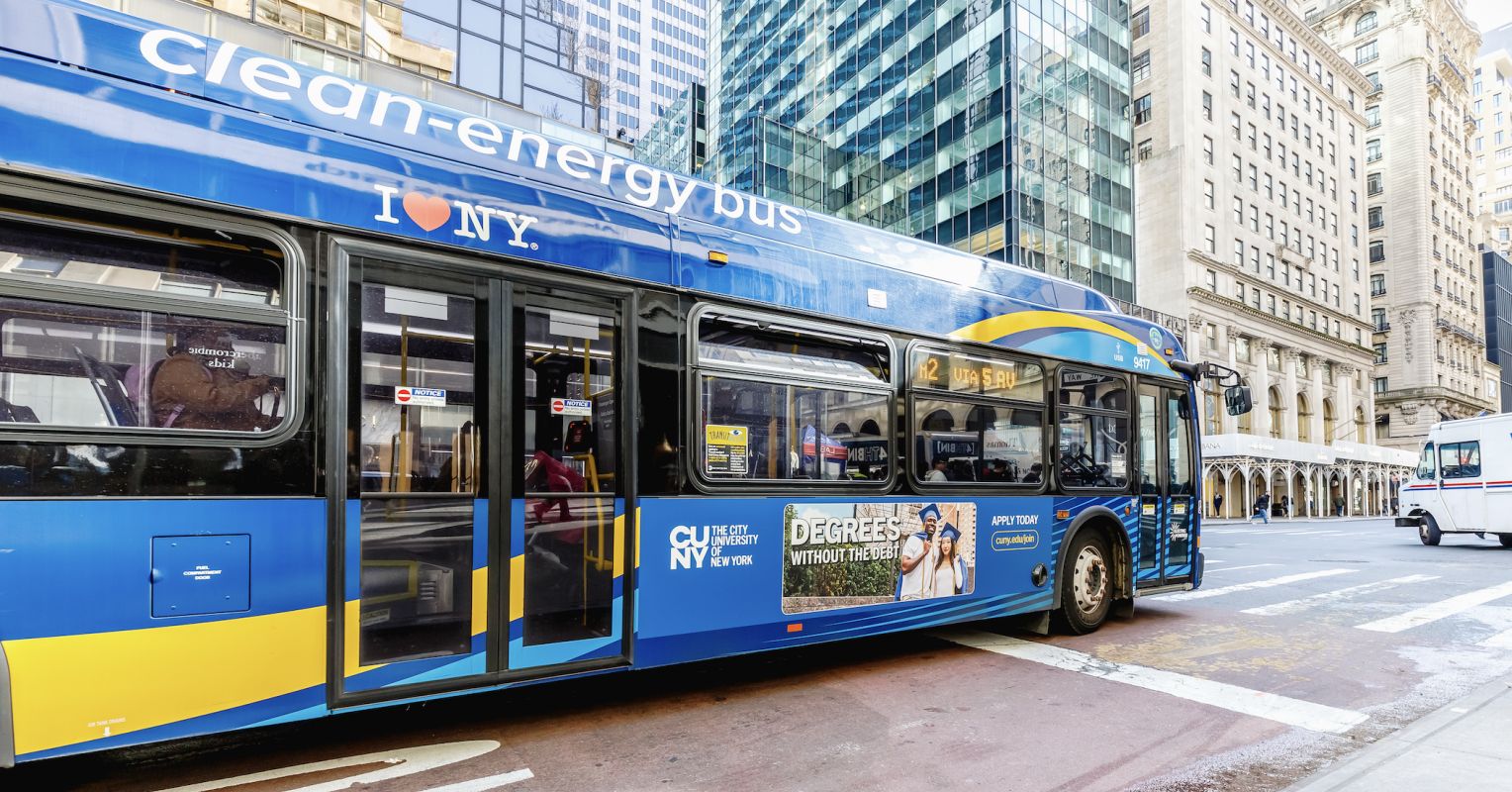
, Danielle Goldwert, and Anandita SabherwalA growing number of New Yorkers are rallying behind the political promise that government should visibly improve people’s lives again. Mayor Mamdani has built momentum around policies like faster and fare-free buses, universal child care, public grocery stores, affordable housing construction, and major clean infrastructure investment. What makes this strategy politically significant is the underlying psychological promise that collective problems are still solvable if we try. This belief might be the key driver of climate action today. In our researcharticlepublished today inCommunications Earth and Environmentinvolving more than 32,000 Americans, we found that people were substantially more likely to engage politically, advocate publicly, donate money, and change their lifestyles when they believed their actions, collective efforts, and governments could meaningfully reduce climate threats. Most importantly, beliefs about governmental effectiveness emerged as one of the strongest predictors of climate engagement overall. People acted when they believed institutions were capable of solving problems. Examples of Visible Climate Action Despite Political OppositionDespite fierce political conflict and significant rollbacks by the current administration, including efforts to weaken the Environmental Protection Agency’s authority toregulategreenhouse gases, Americans are still witnessing visible evidence that large-scale climate action can happen as a direct result of advocacy. For instance, clean energydeploymentcontinues to accelerate across Republican and Democratic states alike. Since the passage of the Inflation Reduction Act, companies have announced hundreds ofbillionsof dollars in clean energy and manufacturing investments across dozens of states. Wind and solar power areexpandingat a record-breaking pace, and battery factories and electric vehicle manufacturing plants are being built across the country. When people see governments building infrastructure, deploying technology, and producing visible improvements to their lives, they can be galvanized into collective action to maintain momentum. But that effect depends on people explicitly connecting those improvements to the policies, political actors, and advocates responsible for them. Recentresearchon clean energy investments under the Biden administration suggests that even large-scale climate spending failed to generate attribution of political credit or to catalyze additional action because voters did not connect the visible local developments to governmental action. The same dynamic helps explain why natural disasters do not consistentlyincreasesupport for climate action unless the connection between the event andclimate changeis made explicit inmediaand political discourse. In complex information environments, visible outcomes alone are often insufficient. People must also understand what caused them and who/what is responsible. Differences in Efficacy Beliefs Across Political LinesOur research also found that Republicans reported lower efficacy beliefs overall, particularly lowerconfidencethat governments can effectively address climate change. Yet efficacy beliefs were also more strongly associated with climate engagement among Republicans than Democrats. In other words, when conservatives did believe action could work, they were substantially more engaged, suggesting a cross-partisanpathway to mobilization. These findings point to a broader transformation already underway in climatepolitics. Over the past two decades, the fossil fuel industry and its political allies have moved fromdenyingclimate change to denying humanresponsibility, to arguing that scientists are not yet in agreement about the facts, or that mitigation would beeconomicallyruinous. Increasingly, the message today is that meaningful action is futile and that governments are incompetent. Fatalism is psychologically powerful because it accepts the threat while undermining belief in agency, leading to helplessness. Once people conclude that no response will meaningfully alter outcomes, disengagement ordenialbecome rational responses to reduce the psychological discomfort. That is why visible evidence of successful governmental action matters. Clean energy deployment, faster buses, and universal child care demonstrate that democratic societies remain capable of solving complex problems. The fight over climate change is therefore increasingly a fight over the perception of efficacy, over whether citizens believe their efforts can improve the future.