The Recovery Triangle: Sleep, Movement, And Mental Health After An Injury
Recovering from a car crash is hard work. Most focus on the “seen” things: doctor’s appointments, PT, forms, etc. Recovery is much more than that. These are the 3 things that determine how successful (or how. . .
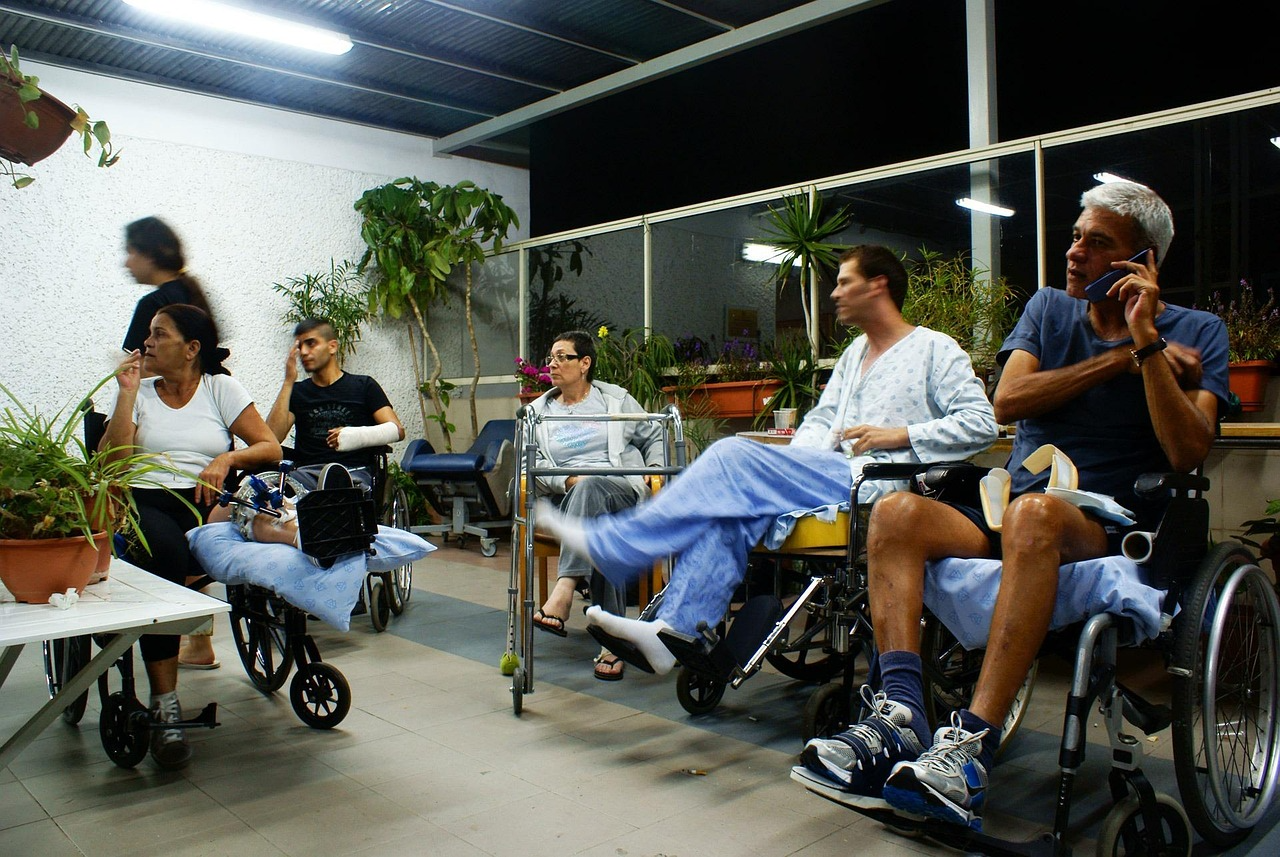
Recovering from a car crash is hard work. Most focus on the “seen” things: doctor’s appointments, PT, forms, etc. Recovery is much more than that. These are the 3 things that determine how successful (or how quickly) you will recover:SleepMovementMental healthSkip one and the rest drags behind you. Master all three and your body has the opportunity to truly recover. In this blog we will dissect each aspect of the recovery triangle and explain how to implement it. Let’s jump in!Here’s the game plan:Why The Recovery Triangle MattersSleep: The Foundation Of HealingMovement: Getting Your Body Moving AgainMental Health: The Piece Most People IgnoreBringing It All TogetherWhy The Recovery Triangle MattersRehabilitation from injury isn’t isolated to the site of injury. Think of it like this:Your body is a team. Sleep is the coach. Movement is practice. Mental health is game day mentality. If one player isn’t performing you don’t win the game. Here’s why this matters so much:Medical bills, missed work and daily pain can quickly add up after a serious car accident. That’s where a skilled motor vehicle accident attorney can help. If someone else caused the collision, a knowledgeableOrlando auto accident lawyer who can helpwith your motor vehicle accident claim can handle the legal stress for you while you focus on recovering. Dealing with the recovery process is difficult enough. Battling an insurance company on top of that? nightmare for any injured person. Now let’s break down each side of the triangle. Sleep: The Foundation Of HealingSleepdoes more heavy lifting than any other part of injury recovery. Why? When you sleep is when your body actually recovers itself. During deep sleep is when tissue rebuilds, inflammation decreases, and your brain processes everything from your day. Reduce sleep and all other recovery processes slow. The statistics support this claim. Research done on athletes showed that 65% of athletes who slept less than 8 hours were more injury-prone, and uninterrupted sleep has been proven vital for brain recovery from trauma as well. But after a crash, sleep is usually the first thing that falls apart. Common sleep problems after an injury include:Pain that wakes you up at nightAnxietyand racing thoughts about the accidentMedication side effectsNightmares or flashbacksTrouble finding a comfortable positionThe problem is, sleep issues make pain feel worse, too. It’s a vicious cycle. You’re in pain, so you can’t sleep. When you don’t sleep, you feel even worse the next day. How To Sleep Better After An InjurySmall changes can make a huge difference. Try these:Keep the bedroom cool, dark, and quietAvoid screens for an hour before bedStick to a set sleep schedule (even on weekends)Use pillows to support the injured areaSkip caffeine after lunchtimeSee your doctor if you have persistent sleep issues that last weeks. Chronic sleep problems following a crash can indicate larger issues such asPTSDor concussion. Movement: Getting Your Body Moving AgainRest is necessary. But excessive rest can become as harmful as rest deprivation. The Facts: Gone are the days of “just stay in bed till you feel better. ” Recovery today is about active, gentle, supported movement. Move:Keeps joints flexibleImproves blood flow to injured tissuePrevents muscle lossLifts your moodHelps you sleep better at nightStudies indicate that active individuals experience 25 percent less time with major mobility disability than inactive individuals. Huge. However movement doesn’t look the same for everyone after an injury. An individual healing from whiplash will not be prescribed the same exercises as a person with a broken leg. Here are the golden rules of moving after an injury:Start slow – like really slowListen to your body (pain is a stop sign)Follow your physical therapist’s planDo a little each day rather than a lot once a weekBuild up over time, not overnightWalking is an excellent place to begin. Low impact, easy to moderate and it works almost every muscle in your body. Even if you just walk around the block. The point is not to push through pain. The point is to continue moving so your body doesn’t become stiff and dysfunctional. Mental Health: The Piece Most People IgnoreNow for the part almost everyone skips. Physical trauma is obvious. Psychological trauma, not so much. Psychological trauma, however, is very real. Often times more debilitating than physical trauma. Survivors of car accidents are particularly susceptible. Research indicates that around 25-33% of car crash survivors develop PTSD, depression affects even greater numbers. Common mental health symptoms after a crash include:Flashbacks or intrusive thoughtsFear of driving or being in a carAnxiety or panic attacksDepression and low moodIrritability and mood swingsTrouble concentratingHere’s the thing:You can’t just ignore these symptoms. It will only get worse if you do nothing. Left untreated, PTSD can take years of your life and disrupt your career, relationships, and more. What Actually HelpsThe good news is that treatment for post-crash mental health works. Really well, actually. Talk therapy:Especially cognitive behavioural therapy (CBT) and EMDRSupport groups:Talking to other crash survivors normalises what you feelMedication:For some people, short-term meds can helpMovement and sleep:Yes – the other two sides of the triangle feed into this one tooDon’t wait until you hit rock bottom. Asking for help sooner allows for an easier and shorter recovery. There is no shame in asking for help. Bringing It All TogetherThe recovery triangle is ever-evolving. One side does not complete the other. Improved sleep aids mental recovery. Improved mental health makes you want to move. Moving helps you sleep better. Get it?Quick recap:Sleeprebuilds tissue and calms the mindMovementstops stiffness and lifts your moodMental healthsupport keeps everything from unravellingTrain all three and recovery is much easier. Neglect one side and everything grinds to a halt. Period. And keep in mind, if you’re in an at-fault accident, don’t attempt to handle the legal stuff yourself. A competent lawyer will take care of all the forms, insurance calls and negotiating so you can focus on the triangle. That’s what they’re there for. Don’t rush it. Allow your body and mind to recover and you’ll be good as new.