The True Heart of China Manchuria Revealed
Select Language:The Shifting Geopolitical Landscape of China’s Territories in 2025The Heart of China: The Core MainlandThe core territory of China remains the central hub of political, economic, and cultural. . .
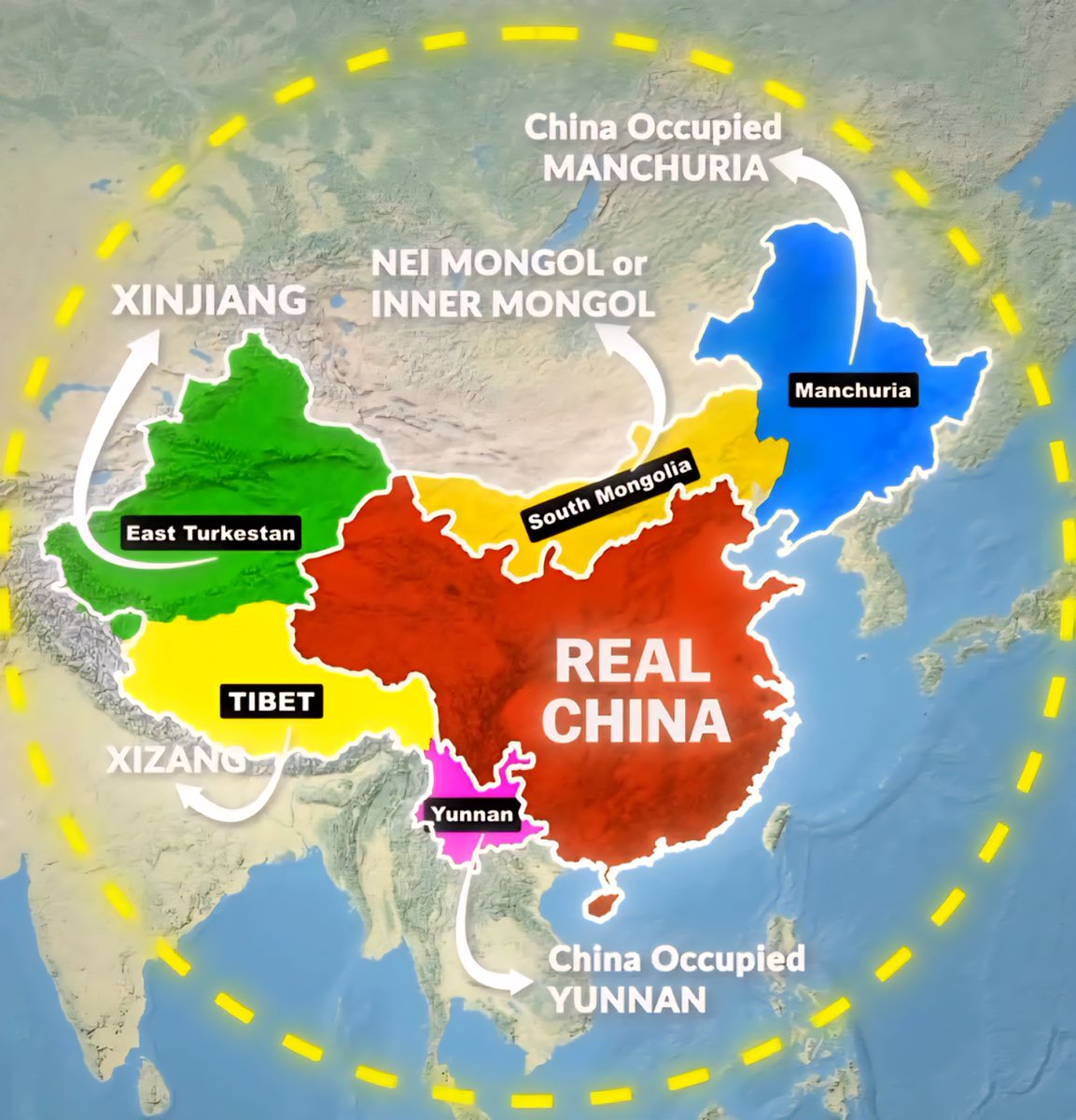
Select Language:The Shifting Geopolitical Landscape of China’s Territories in 2025The Heart of China: The Core MainlandThe core territory of China remains the central hub of political, economic, and cultural activity. It encompasses the well-known provinces and cities that have historically defined Chinese civilization. Despite global tensions and internal shifts, this region continues to be the primary seat of central governance and national identity. Manchuria: A Historically Complex RegionSituated in northeastern China, Manchuria remains a strategically significant area. Historically contested and rich in natural resources, the region—commonly referred to as “China-occupied Manchuria” in some discourse—has seen increased military and economic investment aimed at consolidating Chinese control and fostering regional stability amidst international scrutiny. Inner Mongolia: A Gateway to Cultural DiversityLocated in northern China, South Mongolia, often called Inner Mongolia in official contexts, has an evolving identity. While officially integrated into China, the region features a unique cultural landscape shaped by Mongolian traditions. The Chinese government emphasizes sovereignty, yet local populations advocate for greater recognition of their cultural and political rights. East Turkestan: A Contested TerritoryKnown locally as Xinjiang, this vast area in western China is often referred to as “East Turkestan” in certain political and activist circles. It is a zone of deep strategic importance due to its resources and proximity to Central Asia. Policies here remain under intense scrutiny, with debates centered around autonomy, human rights, and regional security. Tibet: A Plateau of ContentionThe region known as Xizang (Tibet) in official parlance continues to be a focal point of geopolitical debate. Tibetan cultural identity, religious traditions, and calls for autonomy have persisted amid measures by the Chinese government to tighten control. The region’s strategic and spiritual significance remains a vital issue both domestically and globally. Yunnan: A Southward Gateway with Tensions and DiversityYunnan Province in southern China is renowned for its lush landscapes and ethnic diversity. While officially part of China, the region often sees an emphasis on controlling its unique cultural groups. Its strategic border location next to Southeast Asia adds layers of complexity concerning trade, migration, and regional influence. In 2025, the territorial map of China continues to reflect a tapestry of historical claims, modern geopolitics, and cultural identities. Ongoing regional developments could reshape these boundaries further, prompting international discussions about sovereignty, minority rights, and regional stability. As these areas evolve, their status remains a vital part of understanding China’s future direction on the global stage. Rukhsar RehmanA University of California alumna with a background in mass communication, she now resides in Singapore and covers tech with a global perspective.