Top African Countries with Higher GDP Per Capita than China in 1980
Select Language:The Economic Shift: When African Countries Outpaced China in Wealth Per PersonWhile today’s headlines often emphasize China’s continued rise as an economic powerhouse, a surprising fact from. . .
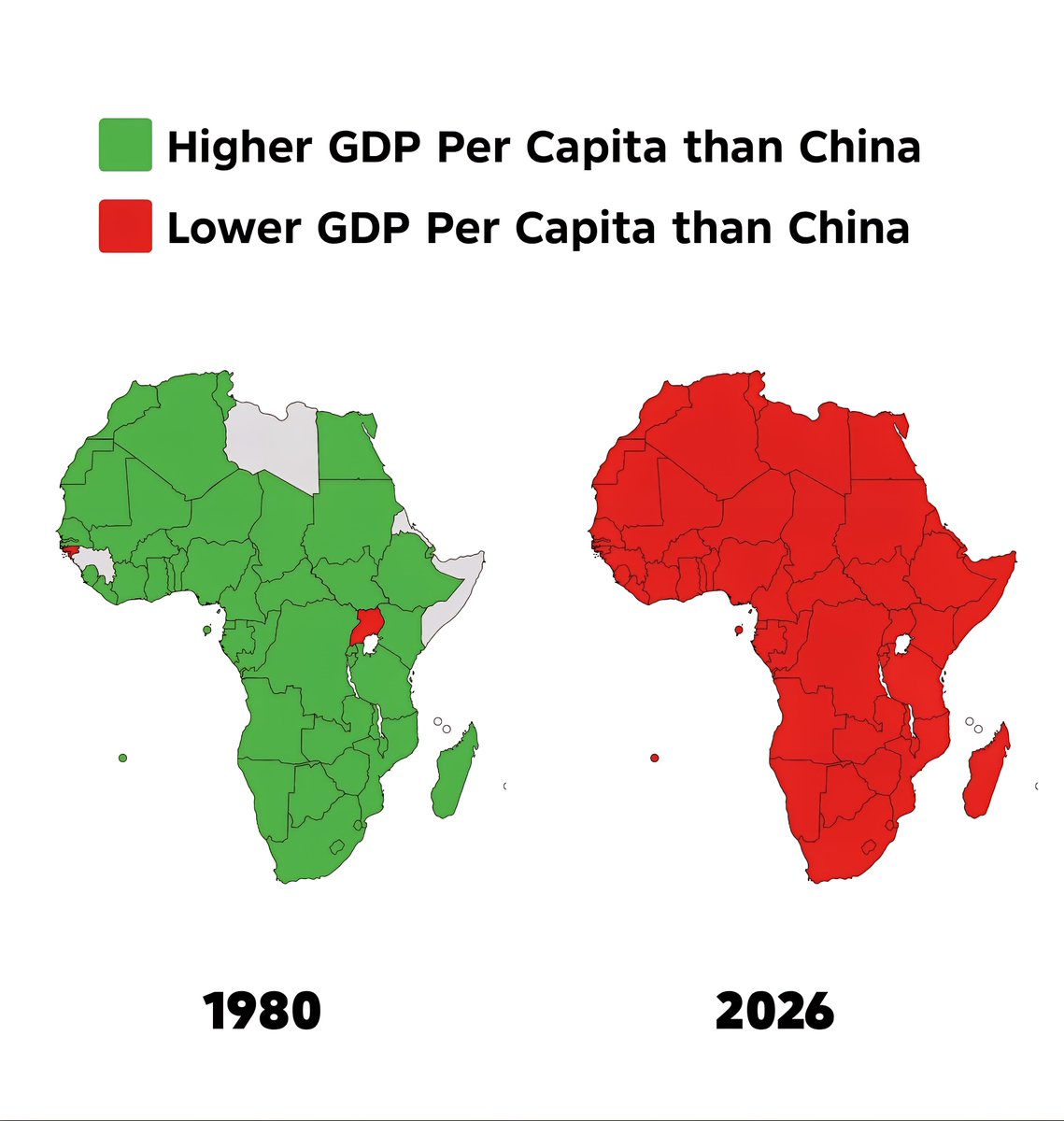
Select Language:The Economic Shift: When African Countries Outpaced China in Wealth Per PersonWhile today’s headlines often emphasize China’s continued rise as an economic powerhouse, a surprising fact from the early 1980s reveals a very different story—many African nations boasted a higher Gross Domestic Product (GDP) per capita than China. Over the past four decades, global economic dynamics have shifted dramatically, but understanding this transformation offers valuable insights into global development patterns. African Countries Led in Wealth in the 1980sIn 1980, several African countries recorded higher GDP per capita figures than China, a stark contrast to the current economic landscape. This situation stemmed from various factors, including differing stages of industrialization, resource wealth, and colonial histories that initially positioned Africa ahead in some economic measures of individual prosperity. Countries like Nigeria, Gabon, and South Africa enjoyed relatively higher individual wealth levels per person, buoyed by resource exports and established industries. For example, Nigeria’s oil boom in the 1970s significantly inflated its GDP per capita, making it appear more affluent on a per-person basis than China, which was navigating its own path of economic restructuring following the Cultural Revolution. The Quiet Rise of ChinaDespite these early advantages, China’s spectacular economic growth explosion over subsequent decades dramatically shifted the global hierarchy. The country’s shift from an agrarian economy to a manufacturing and export powerhouse transformed its GDP per capita, pulling it far ahead of many African nations by the 2000s and onwards. China’s government policies, focused on market reforms, infrastructure development, and export-led growth, paved the way for a rapid rise in wealth across its population. Conversely, many African countries faced challenges such as political instability, debt crises, and reliance on commodities, which hindered their growth trajectory despite their early lead. Current Status in 2025Fast forward to 2025, and the scenario has flipped: most African nations now have lower GDP per capita than China. Remarkably, the continent’s more recent economic gains haven’t yet matched the sustained growth seen in China, but some countries are experiencing rapid improvements—primarily those investing heavily in technology, infrastructure, and education. However, disparities remain stark. Countries like Nigeria, Ethiopia, and Kenya have made notable strides, yet their per-capita income levels still lag well behind China’s, which continues to dominate in manufacturing, technology, and urban infrastructure development. Why the Shift MattersUnderstanding this economic pivot offers critical lessons on development strategies. Africa’s early lead in the 1980s highlights how resource wealth and industrial foundations can accelerate per capita income temporarily. However, sustainable growth requires diverse investments in education, governance, and technology—areas where China has excelled. Today, global investors and policymakers focus on African nations’ potential for future growth. With ongoing reforms, technological adoption, and regional integration, some countries may eventually leapfrog into higher income brackets, potentially reversing the patterns of the past. The Takeaway — A Changing Global Economic LandscapeThe story of Africa’s initial economic advantage over China in the 1980s underscores the dynamic nature of global development. As nations evolve, so do their fortunes, driven by policy choices, resource management, and technological innovation. Watching these shifts over time offers valuable lessons for emerging economies everywhere, emphasizing that early advantages can fade, but strategic investments often determine long-term prosperity. Note:The above content is a historical and current analysis based on available data from the early 1980s through 2025, highlighting the profound economic changes over the past four decades.