Trump announces 15 per cent tariff on polysilicon imports in bid to bolster US chip sector against China
President Donald Trump has ordered a 15 per cent tariff and new import price floor on polysilicon products, targeting China’s dominance in the semiconductor and solar industries amid renewed US-China trade tensions.
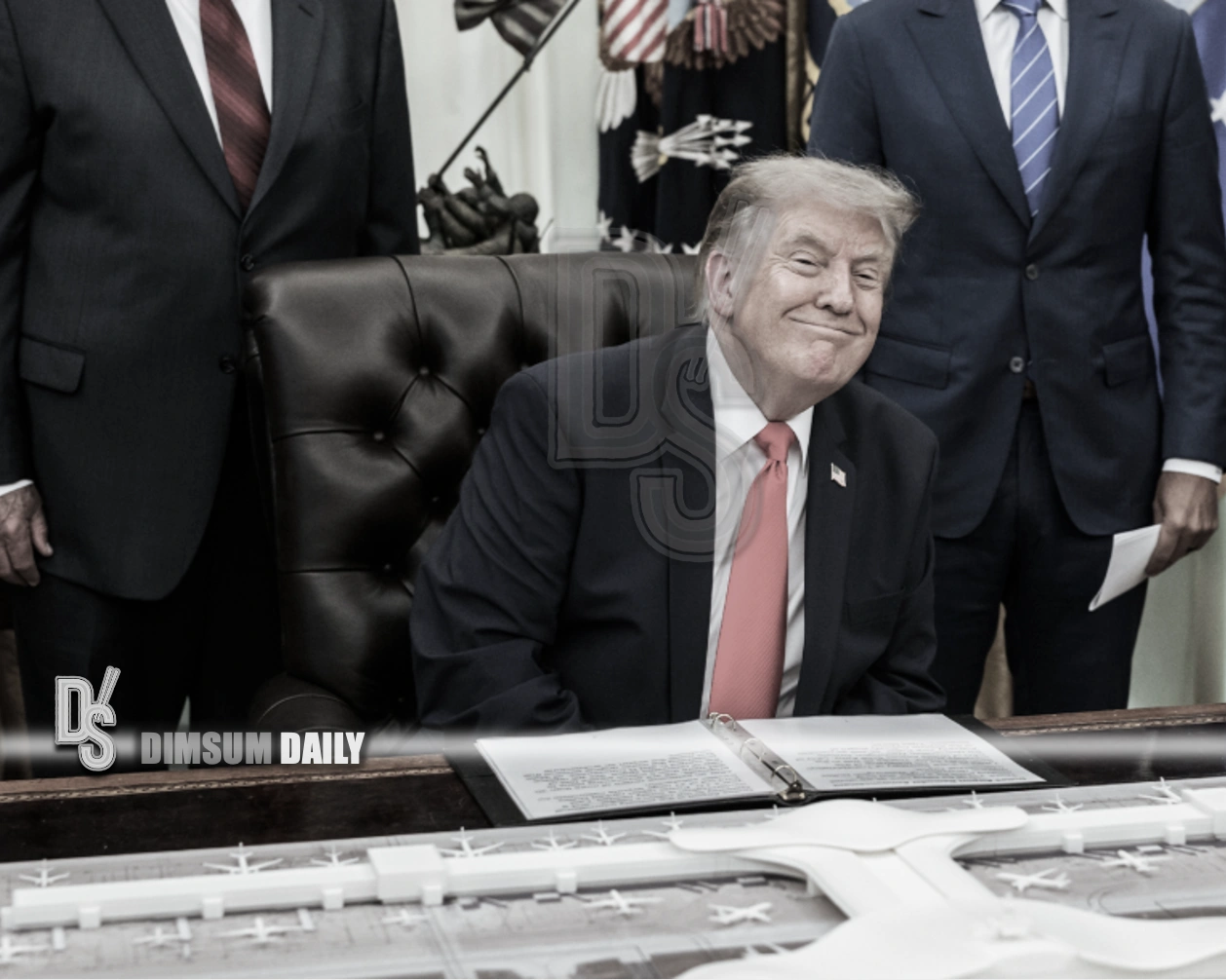
Source: The White House/X7th August 2026 – (Washington) President Donald Trump has signed an executive order imposing a 15 per cent tariff on imported products made from polysilicon, the vital material used in manufacturing semiconductors and solar panels. The measures, which will take effect from December, also introduce minimum import prices and are aimed at strengthening the competitive standing of American manufacturers against persistent pressure from China’s chip industry. This policy follows a national security review into foreign production of polysilicon. Over recent years, escalating competition from China has become a major friction point between Washington and Beijing, with China now accounting for a near-monopoly in the sector. According to US government figures, the domestic share of global polysilicon production has plummeted from 50 per cent in 2005 to below 2 per cent in 2024. The White House argued that ceding control of such a critical material, essential in electronics and military technology, posed a strategic risk. The new order is expected to benefit companies like Hemlock Semiconductor and Wacker Chemie, both major polysilicon producers with manufacturing presence in the United States. Trump’s executive order also pledged incentives to boost US polysilicon production, underscoring his longstanding commitment to using tariffs as a tool for safeguarding American jobs and industrial capacity. The US president stated that he accepted the recommendations of Commerce Secretary Howard Lutnick and said the new steps would help reverse years of decline for US producers subjected to aggressive foreign competition. The Chinese embassy in Washington swiftly condemned the move, saying Washington’s actions severely disrupted bilateral trade and amounted to protectionism that would undermine US competitiveness. In turn, China has announced a package of countermeasures, including tighter export restrictions on drones and a national security review of imported office equipment. The tariffs are the latest in a series of US trade and technology restrictions confronting China, as the global race to advance artificial intelligence intensifies. Semiconductor policy has remained a flashpoint in US-China relations, with an earlier tit-for-tat tariffs war only paused in May 2025. Analysts in Chinese media described the new US tariffs as a further escalation in efforts to curb China’s influence over key technology supply chains, particularly as recent US restrictions have targeted other high-tech goods such as drones and robotics.