U. S. targets China with ban on new imports of humanoid robots over security concerns
The Trump administration has prohibited new imports of foreign-produced humanoid robots and power inverters, citing national security concerns and risks to critical US supply chains.
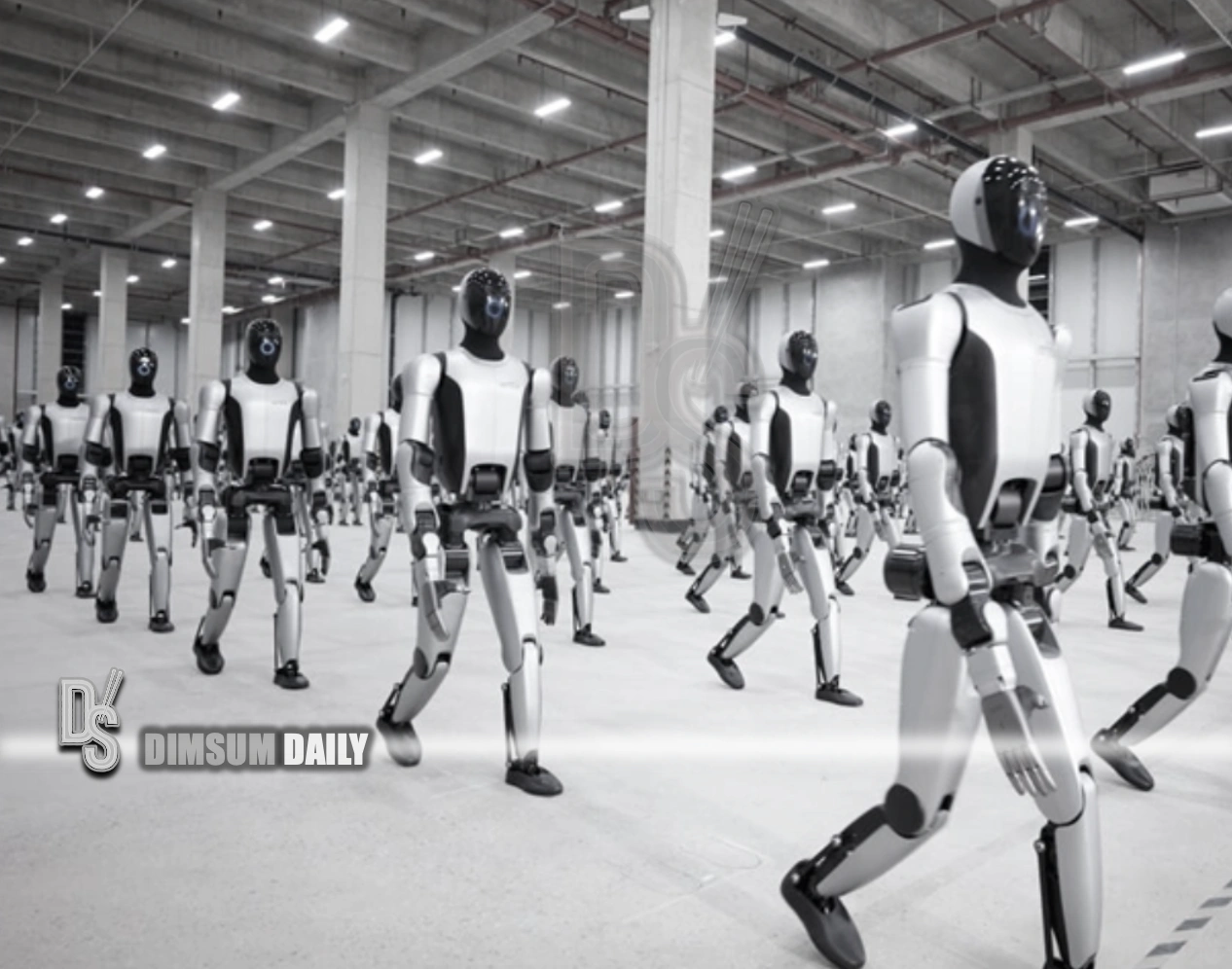
Source: UBTECH29th July 2026 – (Washington) The Trump administration has announced a prohibition on the import of newly manufactured foreign-made humanoid robots, citing what it described as unacceptable threats to national security. The measure, unveiled on Tuesday, covers advanced robotic systems produced overseas, including humanoid and quadruped machines. A significant proportion of these devices are manufactured in China, which has been competing closely with the United States in the fields of robotics and artificial intelligence. In a related move, the Federal Communications Commission has also barred the import of foreign-made power inverters, equipment commonly used in data centres and solar energy systems. The regulator said such devices could pose risks to the wider U. S. economy and infrastructure. FCC chairman Brendan Carr said the agency was acting to safeguard America’s critical supply chains. The newly restricted products have been added to the commission’s Covered List, which identifies communications and technology equipment deemed to present national security concerns. The ban applies only to new foreign-produced advanced robots and power inverters. Existing models that had already received FCC authorisation will not be affected and may continue to be sold or imported. U. S. officials have raised concerns that overseas-manufactured inverters could potentially be manipulated to shut down remotely, extract sensitive data or enable surveillance and cyberattacks by foreign state-linked actors. Similar fears were cited in relation to advanced robotics, with authorities warning that such machines could be exploited for intelligence-gathering, remote interference or other malicious purposes. The Chinese embassy in Washington criticised the decision, accusing the United States of politicising trade and imposing sanctions on what it described as unfounded grounds. In a statement, it urged Washington to abandon what it called a hegemonic approach and to stop targeting Chinese firms with punitive measures. The embassy added that China would take necessary steps to protect its interests and called for international cooperation to ensure artificial intelligence is developed for constructive purposes. The move forms part of a broader tightening of trade and technology controls between the two countries. Chinese exports have faced mounting scrutiny as the US seeks to address trade imbalances with the world’s second-largest economy. Although China is the largest exporter of electric vehicles globally, high tariffs have effectively limited its access to the American market. Washington has also restricted the export of advanced U. S. semiconductors to China, aiming to curb Beijing’s military modernisation and preserve America’s competitive advantage in artificial intelligence. U. S. Treasury Secretary Scott Bessent has previously indicated that Chinese AI companies could face sanctions over allegations of intellectual property theft, claims that Beijing has rejected, stating that its technological advances stem from domestic innovation and international collaboration. The latest restrictions come amid concerns over supply chain vulnerabilities, particularly after China tightened export controls on rare earth materials last year, disrupting industries reliant on the critical components.