US company hits 99. 9 percent rare earth oxide recovery record
Momentum Technologies, a Texas-based critical materials company, has announced that it has achieved record purity levels in recovering rare earth elements (REEs). According to the company it recovered 99. 9. . .
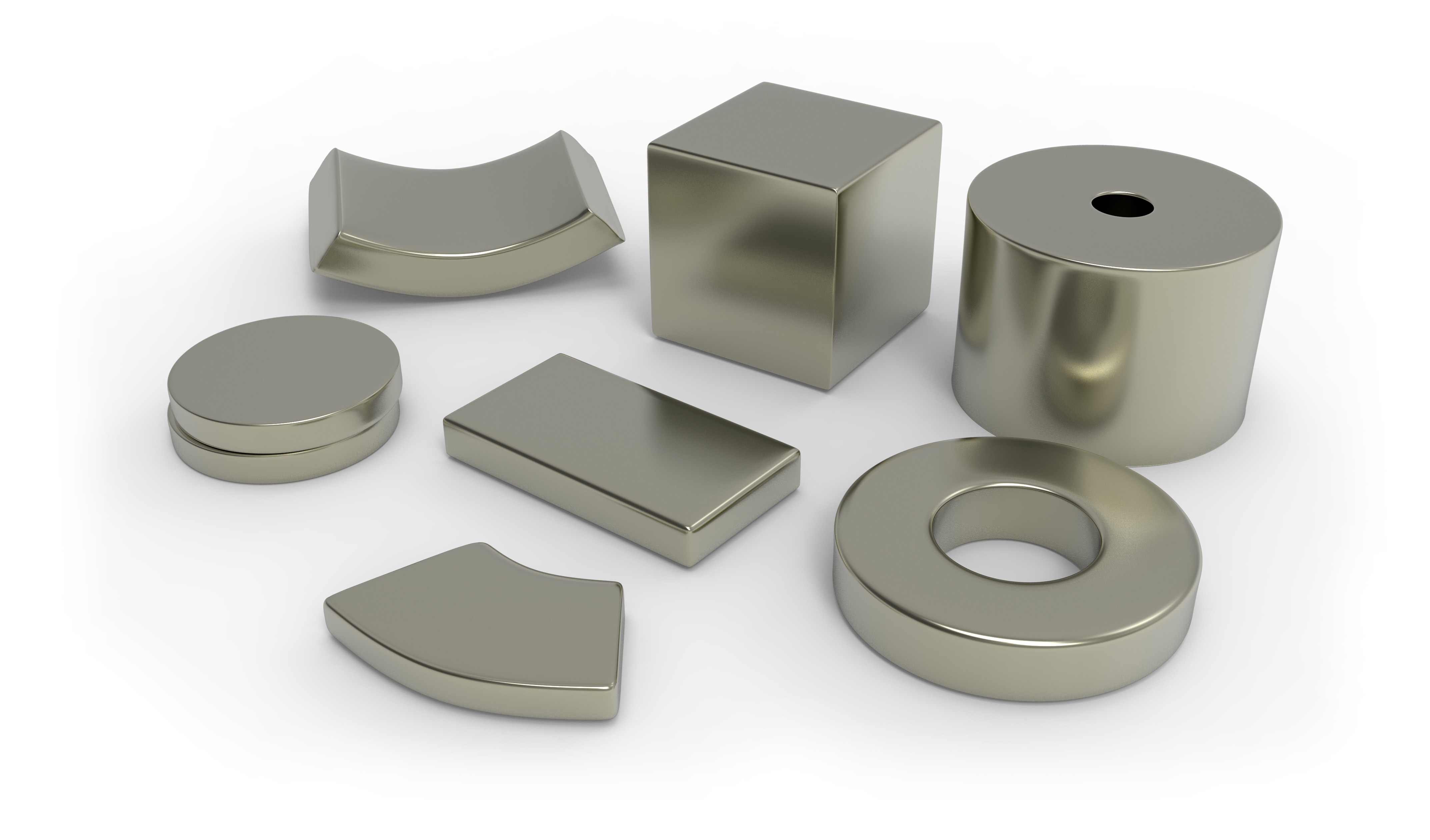
Momentum Technologies, a Texas-based critical materials company, has announced that it has achieved record purity levels in recovering rare earth elements (REEs). According to the company it recovered 99. 9 percent pure neodymium praseodymium oxide from e-waste and magnet production waste. It also recovered 99. 5 percent pure dysprosium from magnet production waste and 99. 5 percent pure yttrium from mined feedstock. These REE were recovered using the company’s proprietary Membrane Solvent Extraction (MSX) technology, utilising a demonstration plant located in Carrollton, Texas. The MSX technology is developed in collaboration with the U. S. Department of Energy and Oak Ridge National Laboratory. It recovers and separates high-purity REEs and battery materials using both primary andsecondary feedstocks. What the purity milestones mean in practiceRare earth element purity is not an abstract metric. In magnet-grade applications — permanent magnets used in defense systems, robotics, electric vehicles, and physical AI hardware — neodymium, praseodymium, dysprosium, and terbium must typically meet purity thresholds above 99% to be commercially viable. Impurities in REE oxides can degrade magnetic coercivity and remanence, rendering the downstream product unsuitable for high-performance applications. Achieving and verifying high-purity output from secondary feedstocks, rather than virgin mined ore, is a technically demanding problem that has limited the domestic recycling sector for years. According to Dr. Simon Choong, Momentum’s Vice President of Product Development “Attaining more than 99. 5% purity for Heavy Rare Earths like Dysprosium and Yttrium from diverse feedstocks used to be something only large, centralizedChineseprocessing operations could do. Through our MSX platform, Momentum has now shown that we can do it in a small, modular system built in theU. S. , using everything from secondary waste streams to primary mined materials. These results, combined with our demonstration-plant processing experience across all of these feedstocks, are the foundation to move our commercial projects forward. ”The supply chain contextRare earths are relatively abundant in the Earth’s crust, but minable concentrations are less common than for most other mineral commodities. In aUSGS(United States Geological Survey) estimate the US has 3. 6 million tons of REE deposits whereas Canada is estimated to have more than 14 million tons. Currently the US has67percent import reliance on REEs, with China, Malaysia, Estonia, and Japan being the primary import sources. Moreover the United States currently has no commercial-scale, fully integrated REE separation facility outside of pilot and demonstration programs. China controls an estimated91%of global REE refining capacity, a concentration that has drawn sustained attention from policymakers following export controls and trade restrictions over the past several years. Domestic recycling from secondary sources represents one pathway to reduce that dependency. Expansion plansAccording to thecompanythe MSX technology is modular and scalable. It also has capital and operating costs advantage when compared to conventional separation methods. It achieves these by negating the reactor scaling and mass transfer issues as well as issues with crud byproduct handling. In the near term the company is planning to advance commercial-scale REE refining with capacities ranging from 100 to 1,000 tons per year. This is primarily focused towards addressing near-term domestic REE supply gaps across defense, physical AI, automotive, and medical applications. Get the latest in engineering, tech, space & science - delivered daily to your inbox.