US warns China's hypersonic missile arsenal could reach 4,000 by 2035
The United States expects China and Russia to significantly increase their hypersonic missile stockpiles over the next nine years, according to a new report from the International Institute for Strategic. . .
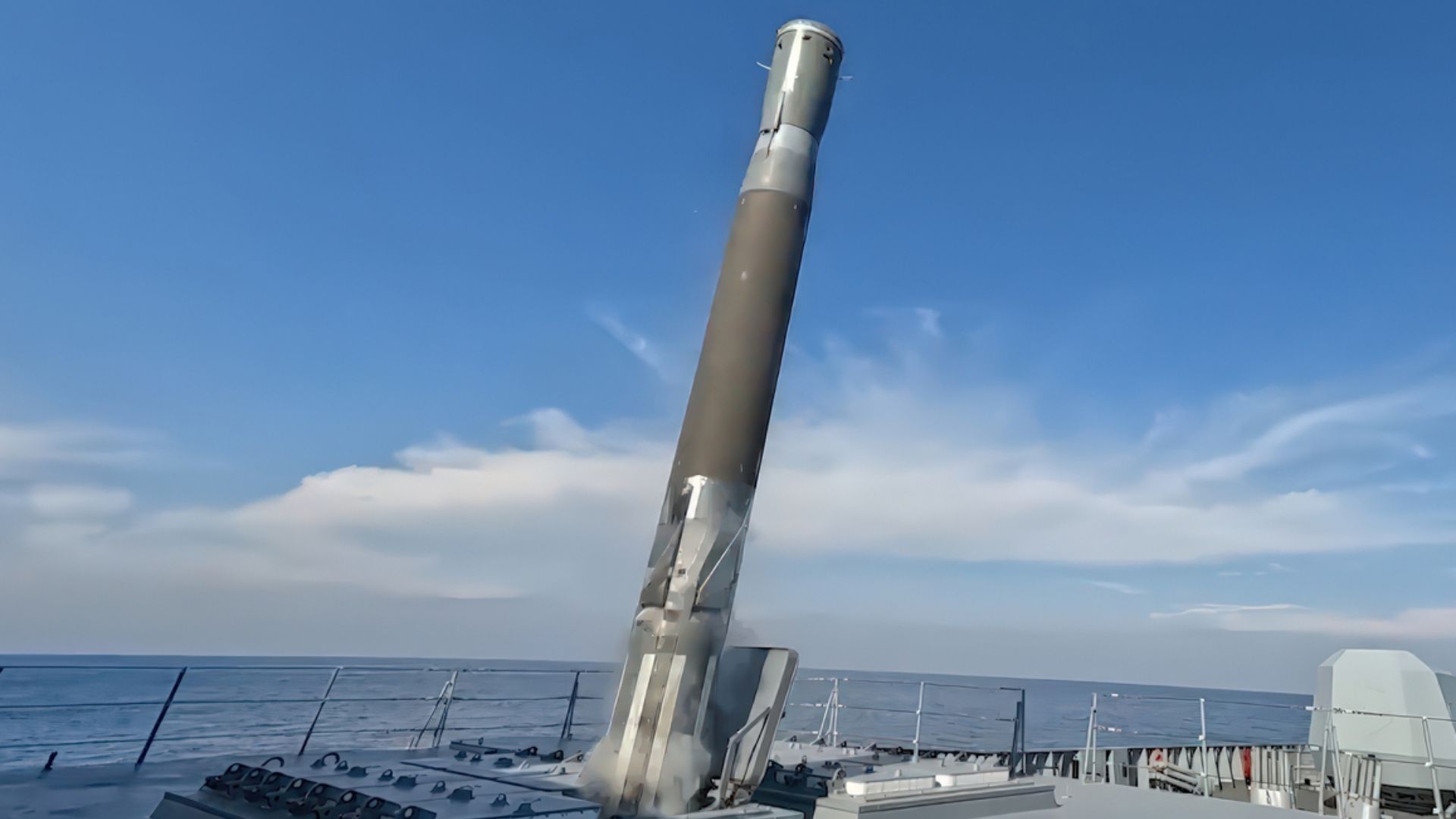
The United States expects China and Russia to significantly increase their hypersonic missile stockpiles over the next nine years, according to a new report from the International Institute for Strategic Studies (IISS). Using U. S. intelligence estimates, the report says China might have about 4,000 hypersonic missiles by 2035, and Russia could have around 1,000. The IISS projections also show that these estimates are already affecting U. S. military planning, including missile defense production and the purchase of thousands of long-range strike weapons. China and Russia expected to expand hypersonic forcesAccording to the IISS analysis, the U. S. intelligence estimates that China now has about 600 hypersonic missiles, while Russia has between 200 and 300. Russia’s stockpile includes the 3M22 Zircon, Kh-47M2 Kinzhal, and Avangard systems. By 2035, U. S. intelligence expects China’shypersonic missilecount to reach about 4,000, including the DF-27 missile. Russia’s total is expected to be around 1,000 at that time. The report also says that U. S. intelligence assesses missile threats across many categories, including long-range air-to-air missiles. Current estimates suggest Russia has between 300 and 600 long-range air-to-air missiles, likely including the R-33 and R-37M. China is thought to have about 1,000 of these missiles. By 2035, Russia could have about 1,000, and China could have 5,000. Other missile inventories also projected to growIn addition tohypersonic weapons, the IISS report describes expected growth in several types of Chinese missile systems. U. S. intelligence thinks China now has about 400 land-based intercontinental ballistic missiles (ICBMs). This number could rise to about 700 by 2035. China’s number of submarine-launched ballistic missiles is also expected to grow from 72 to 132 by 2035. The report also estimates that China’s air- and sea-launched cruise missiles will increase from about 1,000 now to around 5,000 by 2035. These missiles are likely to be used by surface warships, submarines, and H-6 strategic bombers. Past forecasts have not always proven accurateThe IISS warns that U. S. intelligence assessments have often focused on worst-case scenarios in the past. The analysts mention the 1998 Rumsfeld Commission, which predicted that Iran and North Korea could develop intercontinental ballistic missiles within five years. However, that prediction did not come true. The reportsaysthese examples show how uncertain long-term military forecasts can be, even though governments rely on them for defense planning. Missile defense and procurement plans accelerateDespite those uncertainties, the assessments are already influencing U. S. defense spending. In February 2026, the Pentagon entered into a deal with RTX to boost production of SM-3 Block IIA and SM-3 Block IBinterceptors. The Department of Defense also plans to acquire up to 10,000 ground-launched cruise missiles, 4,300 air-launched cruise missiles, and as many as 12,000 low-cost Blackbeard hypersonic missiles in the next few years.