What Chemicals Are in Drugs? | The Science Blog
Chemicals are fundamental to everything around us, and nowhere is this more evident than in thepharmaceutical industry. From prescription medicines and over-the-counter medicines to illegal substances, drugs. . .
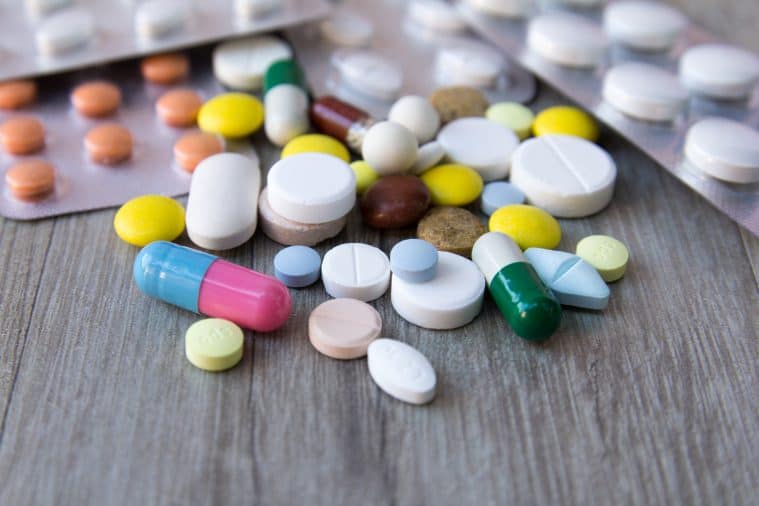
Chemicals are fundamental to everything around us, and nowhere is this more evident than in thepharmaceutical industry. From prescription medicines and over-the-counter medicines to illegal substances, drugs come in many forms and formulations. Despite their wide range of uses, the basic definition of a drug remains constant. It’s a substance intended to diagnose, prevent, treat, or modify disease or physiological function by interacting with biological systems. Understanding the chemistry behind these substances is crucial. It reveals how medicines target specific biological systems, why proper medication storage matters, and how regulatory bodies manageharmful chemicalsto prevent illegal misuse. In this post:Key TakeawaysActive vs Inactive Ingredients in DrugsWhat Are Drug Precursors and Precursor Diversion?What Is Drug Degradation? Mechanisms and Storage SafetyAnalytical Chemistry and Quality VerificationKey TakeawaysAll drugs, both legal and illegal, contain chemicals that affect the purity, efficacy, and safety of substancesPrecursor chemicals are essential for industrial and pharmaceutical manufacturing, but can be converted to produce illegal street drugsDrug degradation occurs when chemical bonds break down, which can cause the active pharmaceutical ingredient to become less effectiveState-of-the-art chemical analysis ensures that pharmaceutical drugs remain pure, safe, and highly effectiveActive vs Inactive Ingredients in DrugsNot all chemicals in a drug influence how itaffects the body. The chemical structure of a compound dictates how it interacts with biological receptors. Let’s takecoffee, for example. Caffeine works by binding to adenosine receptors in the brain. Adenosine accumulates during wakefulness and binds to receptors that promote sleepiness and suppress neuronal activity. Caffeine acts as a competitive antagonist at adenosine receptors, occupying them without activating them. This demonstrates how even small quantities of a specific chemical can alter body function. In pharmaceutical formulations, drugs are rarely administered as pure chemical compounds. Instead, they’re manufactured as carefully balanced mixtures made of active and inactive ingredients. Active Pharmaceutical Ingredients (APIs)An API is the central chemical component responsible for producing the drug’s intended medicinal effect. For instance, in a pain-relief tablet, paracetamol or ibuprofen is the API that targets specific enzyme pathways to reduce pain and inflammation. Inactive IngredientsAlso called excipients, inactive ingredients are substances in a drug formulation that don’t have a direct pharmacological effect on the patient. Although inactive, excipients play a vital role in making a medicine safe, stable, and practical. Inactive ingredients include binders and fillers,coatings,disintegrants, and antioxidants. Combining inactive ingredients with APIs ensures every dose remains consistent, bioavailable, and stable. What Are Drug Precursors and Precursor Diversion?Drug precursors, or precursor chemicals, are essential building blocks used in industrial processes andpharmaceutical manufacturing. They’re used to produce everyday items such as plastics, textiles, perfumes, dyes, and medications. However, because these precursors contain chemical structures that can be converted into illicit narcotics through synthetic chemistry, they’re vulnerable to precursor diversion. This refers to the unlawful redirection of legally traded chemicals into covert laboratories for illicit drug production. Two prominent examples of precursor chemicals frequently targeted for diversion include:Ephedrine and pseudoephedrine– These compounds are standard active ingredients in over-the-counter decongestants, cold remedies, and allergy treatments. However, through a series of chemical reduction steps, illicit operators can reprocess these precursors to synthesise methamphetamine. Acetic anhydride– This industrialreagentis widely used in commercial manufacturing to produce cellulose acetate for photographic film, synthetic fibres, plastics, and pharmaceuticals. In clandestine chemistry, acetic anhydride is diverted to acetylate morphine extracted from opium poppies, converting it into heroin. Because precursor chemicals play a dual role in legal and illicit drug production, their manufacture, sale, and distribution are governed by strict regulations managed by official agencies such as theHome Office. Chemical manufacturers must maintain detailed audit trails, secure facilities, and verified buyer licensing to prevent illegal diversion. What Is Drug Degradation? Mechanisms and Storage SafetyChemical compounds aren’t indefinitely stable. Over time, chemical bonds within a formulation can break down or transform into new molecular structures. This process is known asdrug degradation. When a drug degrades, the concentration of API decreases, reducing the medication’s therapeutic effectiveness. In some cases, breakdown products can even generate toxic impurities that pose health risks to the patient. Drug degradation occurs naturally over time, which is why all legal pharmaceutical products display strict expiration dates. However, environmental factors can dramatically accelerate chemical breakdown, including:Hydrolysis– Moisture or ambient humidity reacting with moisture-sensitive chemical bonds (such as esters and amides) within the drug moleculeOxidation– Atmospheric oxygen reacts with active ingredients, altering their chemical composition and potencyPhotolysis– Light energy breaks chemical bonds in light-sensitive compounds, which is why many medications are supplied in opaque or amber-coloured containersThermal breakdown– Exposure to elevated temperatures, which increases the rate of chemical reactions and speeds up decomposition. In many ways, drug degradation is similar to food spoilage. Just as consuming spoiled food can lead to illness, taking degraded or expired medications can produce unpredictable biological responses or fail to treat serious medical conditions. Advancedpharmaceutical packaging, such as foil blister packs, desiccant sachets, and light-blocking bottles, is specifically engineered to protect chemicals from ambient degradation factors. Analytical Chemistry and Quality VerificationTo ensure that pharmaceutical drugs remain safe, effective, and pure, analytical chemistry techniques are routinely applied in regulatory and quality control laboratories. Methods such ashigh-performance liquid chromatography (HPLC)andgas chromatography-mass spectrometry (GC-MS)allow chemists to separate complex chemical mixtures, identify individual active pharmaceutical ingredients, and detect trace impurities caused by degradation or illicit cutting agents. These diagnostic tools are equally vital for law enforcement agencies tracking diverted precursor chemicals and identifying hazardous substances in illicit drug seizures. ConclusionWhether a chemical substance is a life-saving prescription antibiotic, an everyday stimulant like caffeine, or a dangerous illegal narcotic, its effects on the human body depend on its chemical composition, formulation, dose, route of administration, metabolism, and molecular stability. Understanding active ingredients, excipients, precursor regulations, and degradation mechanisms provides essential insight into modern medicine, industrial chemical management, and public health safety.