Wild Africa Series Launches to Highlight Need to Protect African Wildlife - Time News
A new 13-part Pan-African wildlife series titledWild Africahas launched to highlight the urgent necessity of protecting Africa’s natural ecosystems, forests, and wildlife. The initiative, produced by the. . .
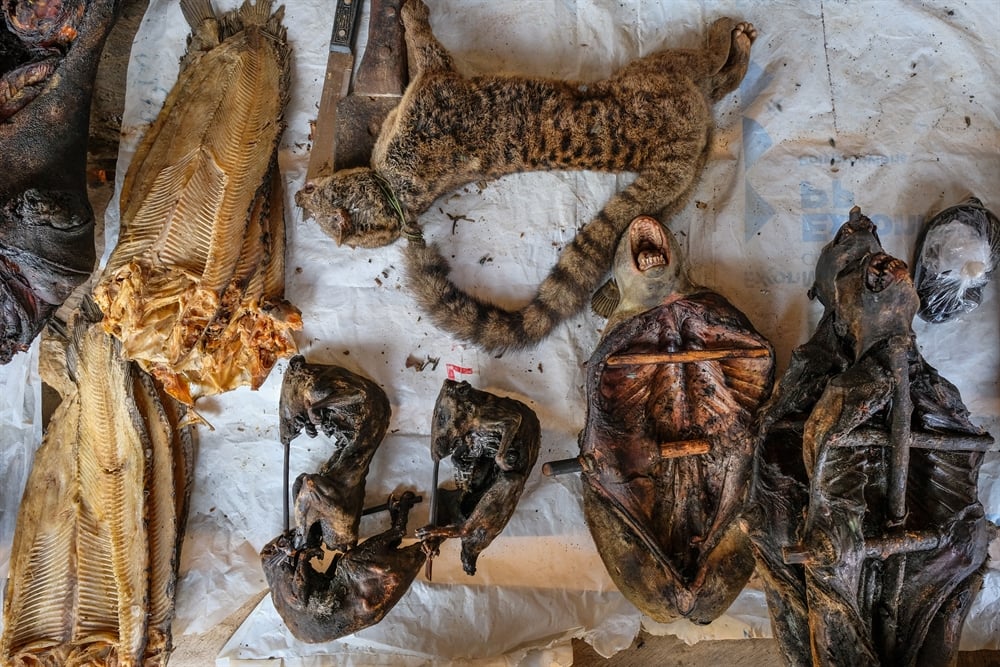
A new 13-part Pan-African wildlife series titledWild Africahas launched to highlight the urgent necessity of protecting Africa’s natural ecosystems, forests, and wildlife. The initiative, produced by the conservation organisationRadionigerialagos, utilizes field documentaries, interviews, and conservation stories to educate the public on threatened species and the efforts of environmental advocates, rangers, and local communities. Regional Conservation FocusThe series explores conservation initiatives across the continent, featuring efforts to protect various species in specific regions. These include:Sea turtles in NigeriaElephants in KenyaDesert rhinos in NamibiaMountain gorillas in RwandaThe rare Cross River gorillaBonobos in the Democratic Republic of CongoIn Nigeria, the series specifically examines challenges involving the protection of forests, manatees, sea turtles, forest elephants, and pangolins. According to the series, pangolins are among the most trafficked mammals globally. Nigeria has also become a major transit point for the illegal trade of pangolin scales and ivory, coinciding with a significant decline in the country’s elephant population over the last 30 years. The Role of Public AwarenessDr. Mark Ofua, a Nigerian wildlife veterinarian and presenter for the series, stated that protecting wildlife requires a greater understanding of the relationship between nature and people. Dr. Ofua emphasized that conservation is a shared responsibility, noting that many African species are disappearing before younger generations can understand their importance. The Wild Africa initiative aims to foster stronger policies for preserving natural heritage for future generations. Its primary goals include building public support for environmental sustainability, human-wildlife coexistence, and wildlife protection. Wild Africa TV Series Launches to Combat Biodiversity LossContinental Biodiversity TrendsThe launch of the series comes amid reports of severe biodiversity loss across the continent. AWWF Living Planet Report 2024reveals that monitored vertebrate wildlife populations in Africa declined by 76% between 1970 and 2020. This decline—which affects fish, reptiles, amphibians, birds, and mammals—is primarily driven by pollution, climate change, overexploitation, and habitat loss. Photo: PandaThe WWF report warns that degradation of rainforests, savannah ecosystems, and coral reefs could push the region past critical tipping points, compromising water availability, food security, and climate resilience. However, the report notes some success in the Greater Virunga Landscape of the Democratic Republic of Congo, Rwanda, and Uganda, where Mountain Gorilla populations rebounded by 3% between 2010 and 2016 due to conservation efforts. Threats from Commercialization and HuntingWildlife populations face ongoing pressure from commercial interests and illegal activity. A study published inNature Sustainability, which synthesized 83 studies from 1991 to 2020, found a shift from subsistence hunting to commercial hunting to feed growing urban populations. Researchers found that village hunters are increasingly using guns instead of traditional traps or spears, making it easier to target commercially viable species, which may have a significant negative impact on primate populations. Photo: RadionigerialagosAdditionally, African elephant populations have seen a staggering overall decline since the early 19th century, falling from as many as 27 million to approximately 400,000, largely due to poaching for ivory. While South Africa’s national herd of about 30,000 elephants is reportedly increasing, the species remains threatened by trophy hunting and other human-induced factors. African Wildlife 4K 🦁 | Amazing Safari Animals & Untamed Africa | Wildlife DocumentaryRelatedpriyanka. patel tech editorFormer software engineer turned tech reporter. Explores AI, cybersecurity, gadgets and start-up culture.