Wildfire smoke is back: What you need to know to protect your health
Skip to ContentSubscribeFAQMy AccountManage My SubscriptionsOur OffersNewsLocal NewsPoliticsHealthLocal HealthNationalTrue CrimeCrimeWorldEducationWeatherPodcastsBC Public Sector Salaries. . .
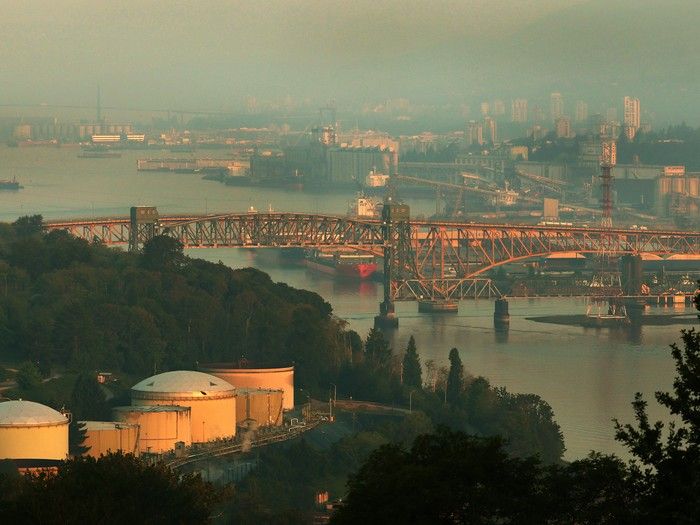
Skip to ContentSubscribeFAQMy AccountManage My SubscriptionsOur OffersNewsLocal NewsPoliticsHealthLocal HealthNationalTrue CrimeCrimeWorldEducationWeatherPodcastsBC Public Sector Salaries DatabaseArchivesContact the NewsroomSportsVancouver CanucksNHLPWHLMore HockeyBC LionsCFLNFLVancouver WhitecapsSoccerBaseballBasketballNBAGolfMMACurlingTennisAuto RacingArtsLocal ArtsMusicTheatreFestivalsBooksCelebrityMoviesTelevisionTV ListingsLifeTravelLocal TravelTravel CanadaTravel USATravel InternationalCruisesTravel EssentialsFoodLocal Food ReviewsRecipesWine CountrySalut!SavingsDiet & FitnessFashion & BeautyVancouver Sun RunVancouver Sun Run: Sign up & event infoParentingRelationshipsAdviceHoroscopesContestsNational ContestsSpecial SectionsInternational Women's Day 2026BC HOME + GARDEN SHOWNational Indigenous Peoples DayOpinionColumnistsLettersOp-EdBusinessLocal BusinessEnergyReal EstateMortgagesCommercial Real EstateTechnologyGamingInternetRetailFP MarketsSmall BusinessBC Top EmployersLives ToldTails ToldShoppingVancouver Sun StoreHomesBuying & SellingCondosDecoratingGardeningRenovatingOut of Town PropertiesWestcoast Homes & Design MagazineWestcoast Homes & Design Previous IssuesPuzzmoDiversionsPuzzlesNew York Times CrosswordComicsHealthingDrivingVehicle ResearchReviewsNewsGear GuideObituariesPlace an ObituaryPlace an In MemoriamAdvertisingAdvertising With UsAdvertising SolutionsPostmedia Ad ManagerSponsorship RequestsClassifiedsPlace an AdCelebrationsReal Estate MarketplacePet Posts & AdoptionsWorkingBusiness AdsThis Week's FlyersAuctionePaperNewslettersManage Print SubscriptionProfileSettingsMy SubscriptionsSaved ArticlesMy OffersNewslettersCustomer ServiceFAQNewsSportsArtsLifeOpinionBusinessShoppingHomesPuzzmoHealthingDrivingObituariesClassifiedsePaperNewslettersManage Print SubscriptionHomeNewsLocal NewsWildfire smoke is back: What you need to know to protect your healthFrom checking air quality levels to choosing the right mask, here's what you need to know about smoke exposureYou can save this article by registering for freehere. Orsign-inif you have an account. Lions Gate Bridge and the Second Narrows Bridge as seen from Capitol Hill on Aug. 6, 2026 during an air quality warning in Metro Vancouver due to fires burning across the province. Photo by NICK PROCAYLO/PNGAs wildfire smoke blankets parts of the B. C. Interior and drifts toward the Lower Mainland,hazy skies and smoky conditionsare becoming a familiar part of summer. Subscribe now to read the latest news in your city and across Canada. Unlimited online access to articles from across Canada with one account. Get exclusive access to the Vancouver Sun ePaper, an electronic replica of the print edition that you can share, download and comment on. Enjoy insights and behind-the-scenes analysis from our award-winning journalists. Support local journalists and the next generation of journalists. Daily puzzles including the New York Times Crossword. Subscribe now to read the latest news in your city and across Canada. Unlimited online access to articles from across Canada with one account. Get exclusive access to the Vancouver Sun ePaper, an electronic replica of the print edition that you can share, download and comment on. Enjoy insights and behind-the-scenes analysis from our award-winning journalists. Support local journalists and the next generation of journalists. Daily puzzles including the New York Times Crossword. Create an account or sign in to continue with your reading experience. Access articles from across Canada with one account. Share your thoughts and join the conversation in the comments. Enjoy additional articles per month. Get email updates from your favourite authors. Create an account or sign in to continue with your reading experience. Access articles from across Canada with one accountShare your thoughts and join the conversation in the commentsEnjoy additional articles per monthGet email updates from your favourite authorsSign In or Create an AccountorHealth experts say even short-term exposure to wildfire smoke can affect your health, especially if air quality reaches high-risk levels. Metro Vancouver and Environment Canada have issued air quality warnings for Metro Vancouver and the Fraser Valley this week that remain in place. Warning are also in effect across parts of the province, including the Okanagan, Cariboo, Shuswap, Lower Nicola and the Fraser Canyon. Here’s what you need to know about protecting yourself from wildfire smoke. Start your day with a roundup of B. C. -focused news and opinion. By signing up you consent to receive the above newsletter from Postmedia Network Inc. A welcome email is on its way. If you don't see it, please check your junk folder. The next issue of Sunrise will soon be in your inbox. We encountered an issue signing you up. Please try againThe easiest way is to check B. C. environment ministry’sAir Quality Health Index(AQHI), which covers 25 communities across the province and is updated hourly, or Metro Vancouver’sAirMap, which also provides air quality readings for the Lower Mainland. The AQHI rates air quality on a scale of 1 to 10+:1–3: Low risk4–6: Moderate risk7–10: High risk10+: Very high riskWhen air quality is in the low or moderate range, most people can go about their daily routine unless they develop symptoms. “Typically, for lower levels of poor air quality, we recommend members of the general public can continue their regular outdoor physical activities,” said Brandon Yau, a medical health officer with Vancouver Coastal Health. Downtown Vancouver enveloped in a smoky haze on Aug. 6, 2026 as smoke from B. C. wildfires drifts into the Lower Mainland. Photo by NICK PROCAYLO/PNGSome people are more vulnerable to the effects of smoke, including: People with lung and heart and other chronic conditions, pregnant women, young children, adults aged 65 and older, and people who spend a lot of time outdoors, including outdoor workers, wildland firefighters, and those living in remote or rural areas. If you are in one of these groups, health experts recommend reducing strenuous outdoor activity and monitoring yourself for symptoms. Young children are more vulnerable to poor air quality, said Yau, who recommends parents and caregivers check their local air quality conditions before heading outdoors. Health guidelines say at low and moderate risk levels, there is no need to change outdoor activities. “It really is that individual decision,” said Yau. If it looks hazy and if there are local symptoms they are experiencing, it’s best to dial back on the outdoor activities. ”Hazy sky seen over Boundary Road on August 4, 2026 as several wildfires burn out of control in B. C. Photo by NICK PROCAYLOMild symptoms can include irritated eyes, runny or scratchy nose, sore throat, mild cough and headaches, said Health Canada. These are signs that smoke is affecting you and that you should move to cleaner air. More serious symptoms include wheezing, shortness of breath, chest pain and worsening asthma symptoms. Anyone experiencing severe symptoms should seek medical care immediately or call 911 in an emergency. The best way to reduce exposure is to spend time in cleaner indoor air. If you are at home, you can keep windows and doors closed, and use a HEPA air purifier if possible. Consider setting up a DIY box-fan air cleaner if you don’t have a filtration system. If your home doesn’t have good air filtration, consider hanging out at community centres, libraries or shopping malls, which often have better indoor air quality. If you must be outdoors during smoky conditions, a well-fitting N95, KN95 or KF94 mask provides the best protection from wildfire smoke particles, said Environment Canada. Ad hoc coverings such as bandanas or shirts do not provide meaningful protection against smoke particles. People take a stroll at Crescent Beach in South Surrey on Aug. 5, 2026 after a yellow warning has been issued for deteriorating air quality due to forest fires around B. C. Photo by NICK PROCAYLO/PNGAir quality advisories warn about elevated levels of fine particulate matter in the air during wildfires. Fine particulate matter, commonly known as PM2. 5 is one of the most harmful components of wildfire smoke, which is a mixture of gases and tiny particles, including ozone, methane, sulphur dioxide and carbon monoxide. PM2. 5 refers to particles that are 2. 5 micrometres or smaller. It is commonly used as an indicator of air quality because it can be measured easily and is strongly associated with the health impacts of wildfire smoke. “These particles can travel quite deeply into the lungs and cause many of the symptoms associated with smoke exposure,” said Yau. According to Health Canada, exposure to PM2. 5 has been linked to a wide range of health effects, particularly for people with heart or lung conditions. “Air quality may be poor even if you can’t see or smell smoke,” it warned. Join the ConversationThis website uses cookies to personalize your content (including ads), and allows us to analyze our traffic. Read more aboutcookies here. By continuing to use our site, you agree to ourTerms of UseandPrivacy Policy.