WPX: Merck expands vaccination options for today's evolving swine health challenges
Megan Inskeep shares tailored vaccination strategies for Myco-negative herds and the benefits of needle-free intradermal vaccination 17 August 2026 3 minute read Dr. Megan Inskeep, a swine technical. . .
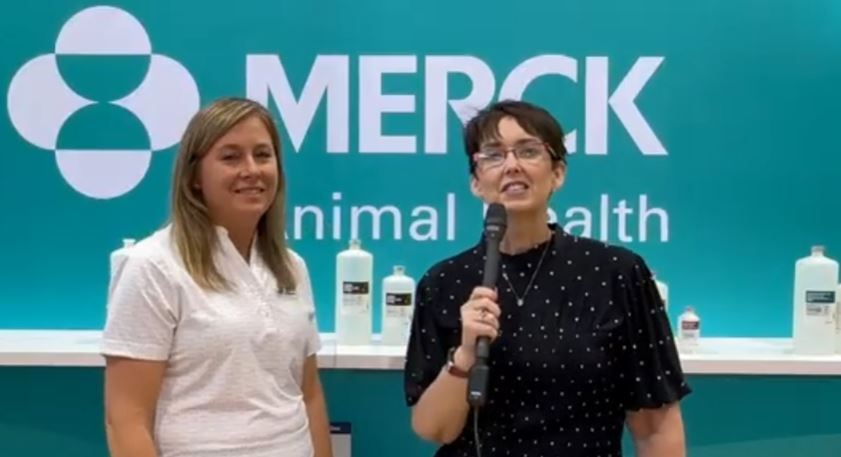
Megan Inskeep shares tailored vaccination strategies for Myco-negative herds and the benefits of needle-free intradermal vaccination17 August 20263 minute readDr. Megan Inskeep, a swine technical service veterinarian at Merck Animal Health, recently spoke to The Pig Site’s Sarah Mikesell at the 2026 World Pork Expo in Des Moines, Iowa, USA. The swine industry covers a wide range of operation types, each with their own herd health priorities. For those maintaining Mycoplasma-negative status specifically, how do those serologic monitoring requirements shape the vaccination decisions veterinarians and producers have to make?For those who are involved, especially in multiplication or even farms that are mycoplasma negative, it's important that their status remainsMyco-negative and that they don't have an antibody response to mycoplasma because it's hard to tease out a positive myco-antibody from vaccination versus field exposure. At Merck, we have a product that's ready-to-use on the farm that just covers the circovirus and theLawsoniaprotection that they need since they don't want to vaccinate forMycoplasmain those herds. OurCIRCUMVENT® CLproduct is now available for producers, and it's a nice ready-to-use option that gives the producer an option to not vaccinate forMycoplasmabut still get the circovirus andLawsoniacoverage in one bottle. Lawsonia vaccination timing in the post-weaning phase can get complicated, especially when antibiotic use enters the picture. What should producers be considering when evaluating their options during that window?This has been even more important in the past six months than it has in a while because of all the co-infections that we're seeing. We’re finding lots of PRRS outbreaks currently throughout the industry. Antibiotics are a great tool for us to have when pigs are facing so many different health challenges. We currently offer three commercial vaccines to protect againstLawsonia intracellularis. PORCILIS® ILEITISis an injectable that’s a killed vaccine so it's safe to use the vaccine in the face of antibiotics. With our vaccine, you do not have to worry about timing it with an antibiotic-free window. You can continue to use your antibiotics to control other pathogens you're seeing in the barn while also getting the preventative ileitis vaccination into the pigs at a critical time. From a veterinarian standpoint, what's the science behind intradermal delivery that makes it a credible alternative to traditional intramuscular administration?Merck now offers its IDAL™ device, or intradermal vaccination device, in the US. It's been available in Europe for years now, but we're thrilled to have it here as an option in the US too. What's really exciting about this technology is that it delivers a very highly concentrated, small dose of vaccine directly into the dermis where there are a lot of immune cells, ready to take up that vaccine and develop an immune system response. The sow barely feels it because it's not a high-powered injection shooting into the muscle. You’re not limited to just the neck; you can use this device to vaccinate in any soft skinned areas on the sow. And it helps us present that vaccine In a location where many immune cells reside. Animal well-being and worker safety have always been important, and they are becoming even greater priorities for producers. How does intradermal vaccination technology help address both in a meaningful way at the same time?A big benefit of the intradermal device is that it does require the use of needles. You don't have to worry about accidental needle sticks with this device, which in turn helps with preventing broken needles in the animal as well. It's very smooth for workers from a worker safety standpoint. The device is very ergonomic and has no cords or hoses that could pose a hazard. It's a very easy device to use in the animal. We've also seen some improved worker safety around this because the injection site isn’t limited to just the neck – it can be used in different locations. So, there’s more flexibility on how to give the vaccine, especially important in farms with pen gestation. When vaccinated, the sows aren't running around. They're very calm when you go in with this device. It helps both the animal experience and the worker experience. Where can people go for more information?Our websitedrivenbyprevention. comhas all the product information and devices that people might be interested in.