A Field Guide for Science Writers: The Official Guide of the National Association of Science Writers
The best guide for teaching and learning effective science writing, this second edition of _A Field Guide for Science Writers_ improves on the classic first edition with a wider range of topics, a new slate of writers, and an up-to-date exploration of the most stimulating and challenging issues in science.
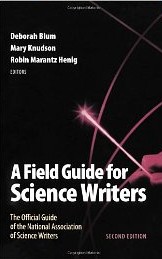
The best guide for teaching and learning effective science writing, this second edition ofA Field Guide for Science Writersimproves on the classic first edition with a wider range of topics, a new slate of writers, and an up-to-date exploration of the most stimulating and challenging issues in science. In this collection of essays, nationally known science writers Deborah Blum, Mary Knudson, and Robin Marantz Henig assemble the best science writers working today to explain what they do and how to do it well. Field Guidecombines detailed and practical how-to advice with thoughtful discussions of the challenges of science journalism in the 21st century. It doesn't shy away from addressing such controversial matters as cloning, stem cell research, eugenics, medical overtreatment, and questions of scientific honesty. Offering a comprehensive overview of the field of science writing, this book discusses a broad range of media and sources, from newspapers to broadcast journalism and from corporations to government agencies. It also provides a detailed analysis of some of the hottest fields in science writing — ranging from mental health to human genetics — and covers a diverse array of writing styles, from "gee-whiz" to investigative. With more than 45 esteemed contributors — people who work for such leading news outlets asScientific American, Popular Science, Discover, Smithsonian, The New York Times,andThe Wall Street Journal— this book is an invaluable resource for current and aspiring science writers, students and instructors in science writing and journalism, and scientists who are interested in science communication. Take a look at the Table of Contents below. Order the book via Amazon. com using this link. A FIELD GUIDE FOR SCIENCE WRITERS SECOND EDITION Oxford University Press, 2005Edited by Deborah Blum Mary Knudson Robin Marantz HenigTable of Contents FOREWORD, Timothy FerrisEDITORS' NOTEPart 1: LEARNING THE CRAFT* Introduction, Mary Knudson * 1. Finding Story Ideas and Sources, Philip M. Yam * 2. Reporting from Science Journals, Tom Siegfried * 3. Understanding and Using Statistics, Lewis Cope * 4. Writing Well About Science: Techniques From Teachers of Science Writing * 5. Taking Your Story to the Next Level, Nancy Shute * 6. Finding a Voice and a Style, David EverettPart 2: CHOOSING YOUR MARKET* Introduction, Carey Goldberg * 7. Small Newspapers, Ron Seely * 8. Large Newspapers, Robert Lee Hotz * 9. Popular Magazines, Janice Hopkins Tanne * 10. Trade and Science Journals, Colin Norman * 11. Broadcast Science Journalism, Joe Palca * 12. Freelance Writing, Kathryn Brown * 13. Science Books, Carl Zimmer * 14. Popular Audiences on the Web, Alan Boyle * 15. Science Audiences on the Web, Tabitha M. Powledge * 16. Science Editing, Mariette DiChristinaPart 3: VARYING YOUR WRITING STYLE* Introduction, Robin Marantz Henig * 17. Deadline Writing, Gareth Cook * 18. Investigative Reporting, Antonio Regalado * 19. Gee Whiz Science Writing, Robert Kunzig * 20. Explanatory Writing, George Johnson * 21. Narrative Writing, James Shreeve * 22. The Science Essay, Robert KanigelPart 4: COVERING STORIES IN THE LIFE SCIENCES* Introduction, Deborah Blum * 23. Medicine, Shannon Brownlee * 24. Infectious Diseases, Marilyn Chase * 25. Nutrition, Sally Squires * 26. Mental Health, Paul Raeburn * 27. The Biology of Behavior, Kevin Begos * 28. Human Genetics, Antonio Regalado * 29. Human Cloning and Stem Cells, Stephen S. HallPart 5: COVERING STORIES IN THE PHYSICAL AND ENVIRONMENTAL SCIENCES* Introduction, Deborah Blum * 30. Technology and Engineering, Kenneth Chang * 31. Space Science, Michael D. Lemonick * 32. The Environment, Andrew C. Revkin * 33. Nature, McKay Jenkins * 34 Earth Sciences, Glennda Chui * 35. Climate, Usha Lee McFarling * 36. Risk Reporting, Cristine RussellTAKING A DIFFERENT PATH JOURNALISTS AND PUBLIC INFORMATION OFFICERS: SIMILARITIES AND DIFFERENCES, The EditorsPart 6: COMMUNICATING SCIENCE FROM INSTITUTIONS* Introduction, John D. Toon * 37. Universities, Earle Holland * 38. Institutional Communications During Crisis, Joann Ellison Rodgers * 39. Government Agencies, Colleen Henrichsen * 40. Nonprofits, Frank Blanchard * 41. Museums, Mary Miller * 42. Corporate Public Relations, Marion E. GlickEPILOGUE, James Gleick