Can You Reuse Ice Cream Tubs to Store Food? Here’s What Science Says
How many times, after finishinga tub of ice creamor a tub of parfait, have we washed it to reuse it asa container for leftovers?It's a common, economical, and seemingly sustainable practice. But is it really. . .
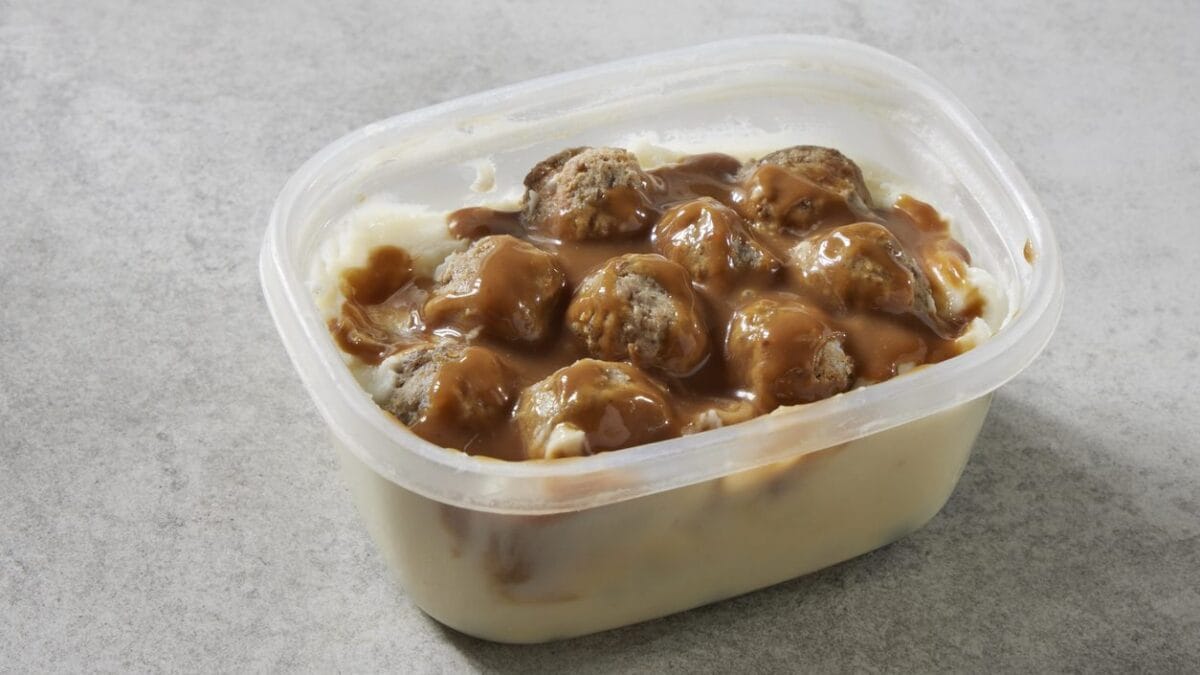
How many times, after finishinga tub of ice creamor a tub of parfait, have we washed it to reuse it asa container for leftovers?It's a common, economical, and seemingly sustainable practice. But is it really a good idea?Theanswer is more nuancedthan many articles circulating in recent months suggest: there is no evidence thatreusing a trayonce or twice poses an immediate health risk. However, food safety experts adviseagainst converting these single-use containersinto containers intended forcontinuous use, especially when heat or wear are involved. Why Disposable Trays Are Not Designed to Be ReusedIn the United States, packaging for ice cream, yogurt, margarine, and other foods is classified as afood contact material, regulated primarily by theU. S. Food and Drug Administration (FDA)under the Federal Food, Drug, and Cosmetic Act. Food packaging materials must be made from substances that are considered safe for their intended use and must not transfer components into food at levels that could pose a health risk. The FDA evaluates food contact substances through regulations and processes such asFood Contact Notifications (FCNs), ensuring that packaging performs as intended while maintaining consumer safety. This means that the manufacturermust demonstrate the safetyof the packagingfor the purposefor which it was designed: a tub intended to hold frozen ice cream, for example, is tested for that type of use, not necessarily for being filled with boiling soup, washed dozens of times in the dishwasher, or used for years as a household container. In other words,the problem isn't so much the plastic itself,butits use outside the conditionsfor which it was designed. What Happens When Plastic DeterioratesOver time,plastic materialscan undergoa natural process of wear: scratches, deformations, repeated washing cycles at high temperatures and contact with very hot foods can promote the release of small plastic particles and increase the migration of some substances from the container into the food. In recent years,numerous studies have observed this phenomenon in the laboratory, especially under particularlystressful conditions, such as exposure to microwaves or high temperatures. However, translating these experimental results into actual risk to consumers is not easy. Thequantities released dependon thetype of plastic, thetemperature, thecontact time, and thestate of preservationof the container. And What About Microplastics?Microplastics have becomeone of the most discussed topicsin recent years: they have been detected in the environment, in drinking water, and in numerous foods, as well as in various human tissues. This, however,does not automatically meanthat they pose a provenhealth risk in the quantitiesto which we are normallyexposed. The European Food Safety Authority (EFSA) emphasizes thatknowledgeabout exposure levels and health effectsis still limited. For this reason, the agency is conducting a new scientific assessment that should better clarify the potential risks and fill current knowledge gaps. In other words, the scientific community urges caution, butdoes not claimthat theoccasional reuseof an ice cream tub causes proven healthrisks. So, Should You Stop Reusing Them?Not necessarily: if a container is intact andis only used occasionallyto storecold foodsin the refrigerator for a short time, there is no evidence that this poses an immediate health risk. The problem arises especially whendisposable packagingis treated asa reusable container. These trays are designed fora specific foodand for specific temperature and contact time conditions. Using them multiple times,subjecting them to heat or intensive washingmeans using them outside the conditions for which they were designed. It is therefore preferable to avoid:pour soups, sauces or othervery hot foods into it;use themin the microwaveif they do not have a clear indication of suitability;wash them repeatedlyin the dishwasherat high temperatures;use themfor long periods or for very fatty, acidic or saltyfoods;continue to use them if they becomescratched, deformed, dull or cracked. Remember thatheat, wear, and detergentscan actually cause materialdeteriorationandincrease the risk of substance migrationorparticle release. Therefore, the most prudent choice is not to immediately throw away every tray, but ratherto limit its reuse for foodand, for regular storage, to choose containers specifically designed for multiple uses. Which Alternatives to ChooseFor regular food storage, especially if hot or intended for long periods, it's bestto use containers designedfor repeated use. Amongthe most reliable optionsare:tempered glasscontainers;stainless steelcontainers;reusable plasticcontainerscertifiedfor food use. These products are designed towithstand washing, temperature changesandwearbetter than disposable packaging.