Canary Islands Parliament Approves New Science Law with PSOE Abstention and Rejection from NC-bc and Vox
Canary Islands Parliament Approves New Science Law Amid Controversy The Canary Islands Parliament has passed a new science law, supported by a coalition of four parties—CC, PP, ASG, and AHI—with the PSOE abstaining and NC-bc and Vox opposing it. Migdalia Machín, the Minister for Universities, stated the final version was improved through contributions from both […]
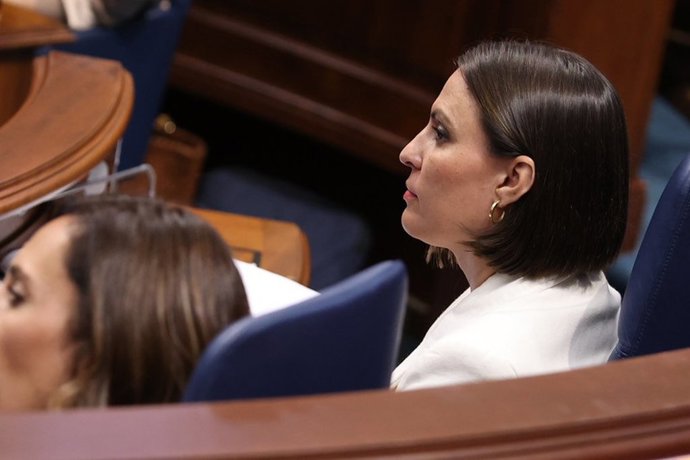
Canary Islands Parliament Approves New Science Law Amid ControversyThe Canary Islands Parliament has passed a new science law, supported by a coalition of four parties—CC, PP, ASG, and AHI—with the PSOE abstaining and NC-bc and Vox opposing it. Migdalia Machín, the Minister for Universities, stated the final version was improved through contributions from both supporters and opponents, marking the first update to the law in 25 years. Vox’s spokesperson, Nicasio Galván, stated that politicians should maintain distance from science, citing physicist Blas Cabrera’s historical struggles. He suggested abolishing the science law to allow universities and researchers to operate independently from political interference. Galván criticized the law for allegedly favouring mediocrity and incorporating gender quotas, arguing it should prioritise excellence in science. Carmen Hernández from NC-bc expressed concern that the current law was developed without input from the two main public universities, which are crucial to research in the islands. She accused the law of being “political marketing” without guaranteed funding. Alicia Pérez from the PSOE described the law as initially flawed for neglecting input from public universities. Although she acknowledged improvements in the final text, she believed it still failed to address crucial issues for the Canary Islands, including financial commitments and research development. Raúl Acosta from the Mixed Group (AHI) supported the law as essential for preventing brain drain and enhancing scientific production in the region. He stressed that scientific progress is vital for diversifying the economy. Melodie Mendoza from ASG highlighted the law as a stepping stone towards a knowledge-based development model, emphasising its potential to create qualified job opportunities and improve administrative processes. Jacob Qadri from the PP asserted that the outdated legal framework needed modernisation to promote research and knowledge transfer across the islands. Cristina Calero (CC) applauded the parliament for prioritising science and allowing the Canary Islands to harness their potential as a centre of knowledge. She advocated for the establishment of university hubs throughout the archipelago.