DFWC: Middle East conflict slows international passenger growth in Q2
International passenger traffic declined slightly in the second quarter of2026as conflict in theMiddle Eastdisrupted global travel, according to the latestDuty Free World Council (DFWC) KPI Monitor. Produced. . .
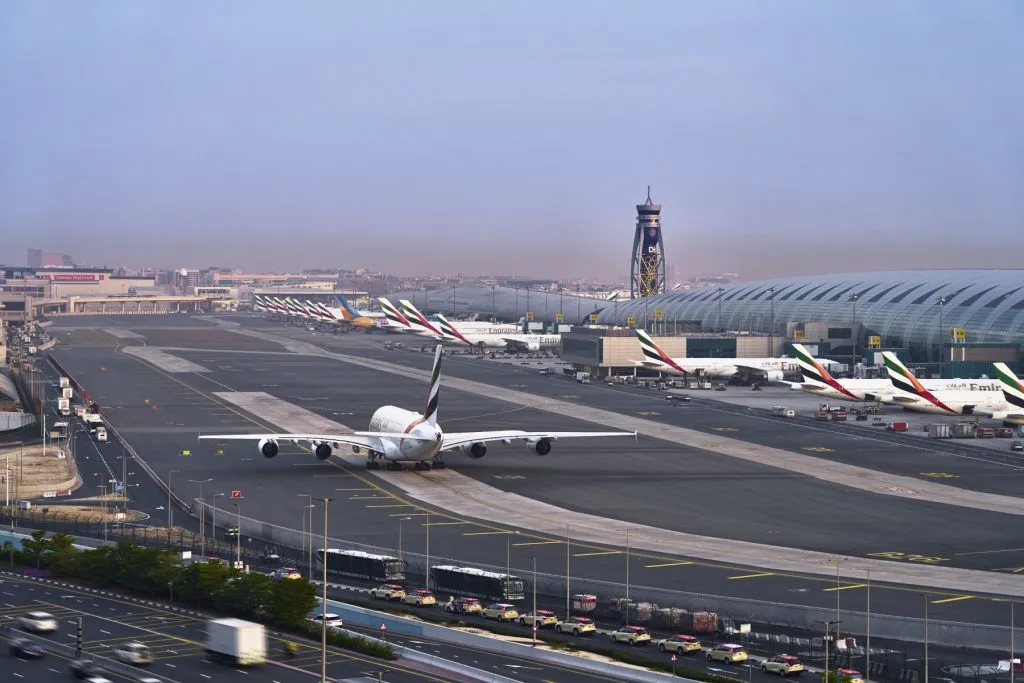
International passenger traffic declined slightly in the second quarter of2026as conflict in theMiddle Eastdisrupted global travel, according to the latestDuty Free World Council (DFWC) KPI Monitor. Produced by Swiss research agencym1nd-set, the report recorded 580 million international departures worldwide in Q2 2026, representing 99% of the level seen in the same period last year. WhileAsia Pacific,Europeand theAmericasposted year-on-year growth, traffic in theMiddle EastandAfricafell sharply to 48 million international departures, equivalent to 71% of Q2 2025 levels. Asia PacificandNorth Americaboth recorded 5% year-on-year growth, reaching 138 million and 66 million international departures respectively, whileSouth Americaalso grew by 5% to 35 million. Europeposted 2% growth, with 292 million international departures. Londonremained the world’s busiest airport for international departures in Q2 with 12. 7 million passengers, followed byAmsterdamandSingapore, both with 10. 9 million. Seoul Incheonranked fourth with 10. 8 million departures, ahead ofParis Charles de Gaullewith 10. 4 million. Dubai Internationaldropped out of the top 10 during the quarter following the regional conflict. TheUSremained the leading source market for international departures with just under 62 million passengers, followed by theUK(50 million),Germany(36 million),France(25 million) andSpain(23 million). DFWC President Sarah Branquinhosaid the figures demonstrated the industry’s exposure to geopolitical events while also highlighting the resilience of international travel demand. She said: “With geopolitical tensions in theMiddle Eastcreating an increasingly uneven global landscape, theDFWC KPImonitor traffic data clearly illustrates the vulnerability of international travel to external influences and shocks,”“While the sharp decline in traffic across theMiddle Eastis significant, the resilience shown byAsiaPacific,Europeand theAmericasunderlines a fundamentally strong appetite for travel. ”The quarterly monitor also highlighted continued opportunities for travel retailers. Good value for money remained the leading purchase driver, cited by 29% of shoppers, followed by convenience (22%) and brand loyalty (19%). Conversely, the most common reason for not purchasing was buying elsewhere (18%), ahead of not wanting to carry additional items and having no intention to buy, both at 16%. According to the report, 68% of duty free shoppers entered stores without a specific purchase in mind, with 46% undecided about what to buy and 22% making impulse purchases. The findings reinforce the importance of in-store experiences, merchandising and staff engagement in driving conversion. The report also found that 56% of shoppers interacted with sales staff during their most recent visit, up from 51% in the previous quarter. Three-quarters said these interactions had a positive influence on their shopping experience. Commenting on the findings,m1nd-set Owner and CEO Dr Peter Mohnsaid retailers had a significant opportunity to capitalise on increasingly spontaneous shopper behaviour. “As consumers become more spontaneous, with almost seven out of ten travellers still open to influence when they enter the shops, there are significant opportunities to convert shoppers through experiential retail, including activations, in-store merchandising and engaging staff interactions,” he concluded.