Essential Oils and Allergies: What the Science Says
Whether you’re dealing with seasonal sniffles, food sensitivities or skin irritation, you know thatallergiescan really wear you down. In the quest for relief, you may be tempted to try essential oils. Hold. . .
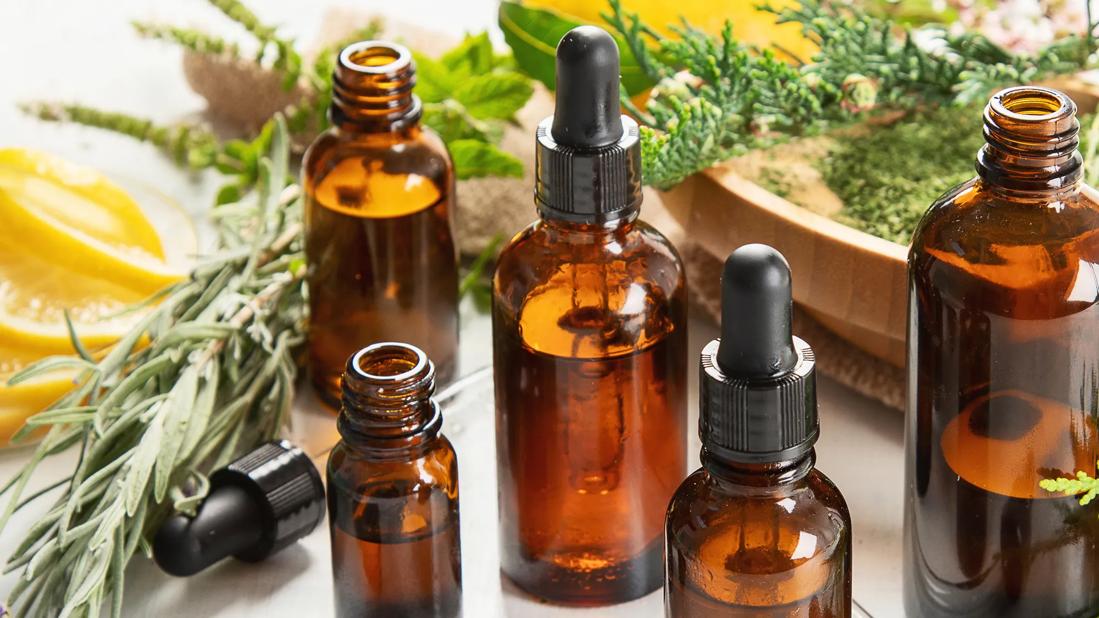
Whether you’re dealing with seasonal sniffles, food sensitivities or skin irritation, you know thatallergiescan really wear you down. In the quest for relief, you may be tempted to try essential oils. Hold that thought. Integrative medicine specialistMelissa Young, MD, says that experts agree: The risks of essential oils outweigh their potential benefits when it comes to allergies. Here's why. Can you use essential oils for allergies?There’s no strong evidence that essential oils are safe or effective as a treatment for allergies. And there are important safety considerations to be aware of before you try them. Dr. Young says that essential oils may irritate your:AirwaysGastrointestinal tractSkinDepending on what you’re allergic to, essential oils may even trigger a cross-reaction. For example, if you’reallergic to ragweed, you’re more likely to have an allergic reaction to chamomile essential oil because the plants are related. While a few small studies suggest specific essential oils can bring symptom relief, Dr. Young states that, based on the available research, the risks outweigh the benefits. Just as important: Essential oils aren’t regulated by the U. S. Food and Drug Administration (FDA). That means you can’t be sure the products meet basic quality or safety standards. “A lot of the products that are sold aren’t pure essential oils,” Dr. Young reports. “And even with the ones thatarepure, you don't know the dilution or how strong they are. ”If you’re using essential oils to deal with an allergic reaction of some kind, that uncertainty can be dangerous. RashesExperts don’t recommend using essential oils for hives, eczema or any other allergic skin condition. Applying these products to broken or irritated skin may worsen symptoms or trigger another reaction. “Essential oils can causecontact dermatitiswhen used on damaged skin,” Dr. Young says. “And many people don’t realize that these products can make your skin moresensitive to sunlight. I’ve seen people develop sunburns after using them. ”Even if youdon’thave allergies, keep in mind that essential oils aren’t right for everyone. Certain kinds can strip your skin of its natural oils, leaving it dry, tight and flaky. Consider talking with a dermatologist before adding these products to your skin care routine. Food allergiesEssential oils are not recommended as a treatment forfood allergies. “You should not ingest essential oils, period,” Dr. Young emphasizes. “Some can be deadly if swallowed. And you shouldn’t use any kind of essential oil to treat an allergic reaction. ”She explains why. If you’re having symptoms of a food allergy — like swelling of your lips or tongue, diarrhea, vomiting or hives — you need to stop the reaction fast. Food allergy symptoms can escalate quickly and may lead to a life-threatening allergic reaction calledanaphylaxis. If you have anaphylaxis, you needepinephrineand emergency medical care. Ingesting essential oils cannot stop or reverse anaphylaxis. But here's what itcoulddo:Further irritate your airway, skin or digestive tractTrigger another allergic reactionDelay you in getting the treatment you needComplicate the medical emergencyAll this to say, essential oils and food allergies just don’t mix. Potential risks and limitationsHere are a few more risks to consider before using essential oils for allergic reactions:They’re dangerous if you have certain health conditions, like asthma or COPD. Essential oils emit volatile organic compounds (VOCs), which can make lung and breathing conditions worse. Avoid certain essential oils when pregnant or breastfeeding. Certain essential oils can disrupt hormones, cause pregnancy complications and affect milk supply. Talk to your obstetrician before using them. Certain essential oils are dangerous for babies and children. Essential oils that contain methyl salicylate — like birch and wintergreen — can be deadly in kids under 2. Other oils have been shown to causehormonal changes in teens. Talk to your child’s pediatrician or allergist before introducing them to essential oils. They may interact with your meds. Some essential oils interfere with prescription drugs for conditions like diabetes and depression. Talk to your healthcare provider or pharmacist to confirm they’re safe for use alongside your other medications. Some essential oils are toxic to pets. Some essential oils are poisonous to animals, even when used in diffusers foraromatherapy. Evidence-based alternatives for allergy reliefWhile you shouldn’t use essential oils for allergies, there are otherall-natural approachesthat may help. Dr. Young suggests these strategies for quick symptom relief:Nasal lavage:If you live with seasonal allergies, aneti potmay be a real game changer. Proper and safe use of nasal irrigation flushes allergens and excess mucus from your nasal passages, bringing instant relief. Saline gargle:If a postnasal drip is leaving your throat sore or scratchy, head to the kitchen. “Gargling with warm salt water can be very soothing,” Dr. Young says. Warm tea with honey:Since you’re already in the kitchen, make yourself a cuppa! Thehoney coats your throat, and the warm tea helps thin mucus. Steam therapy:A quick steam may loosen up congestion, soothe dry or irritated nasal passages and make breathing a bit more comfortable. Water:Staying hydrated is key when you’re dealing with allergy symptoms. It keeps your mucus membranes, digestive tract and skin barrier healthy. Water’s also clutch for removing allergens, whether they’re sitting on your skin, working their way through your digestive tract or irritating your nasal passages. If these therapies and over-the-counter treatments don’t put a dent in your allergy symptoms, reach out to your healthcare provider for support. It may be time to see an allergist.