EU Presses Ahead With Entry/Exit System Despite Expected Travel Disruptions - Business Today Middle East
The European Unionhas reaffirmed its commitment to the Entry/Exit System (EES), rejecting calls from the aviation industry to suspend the biometric border control programme despite ongoing travel disruption. . .
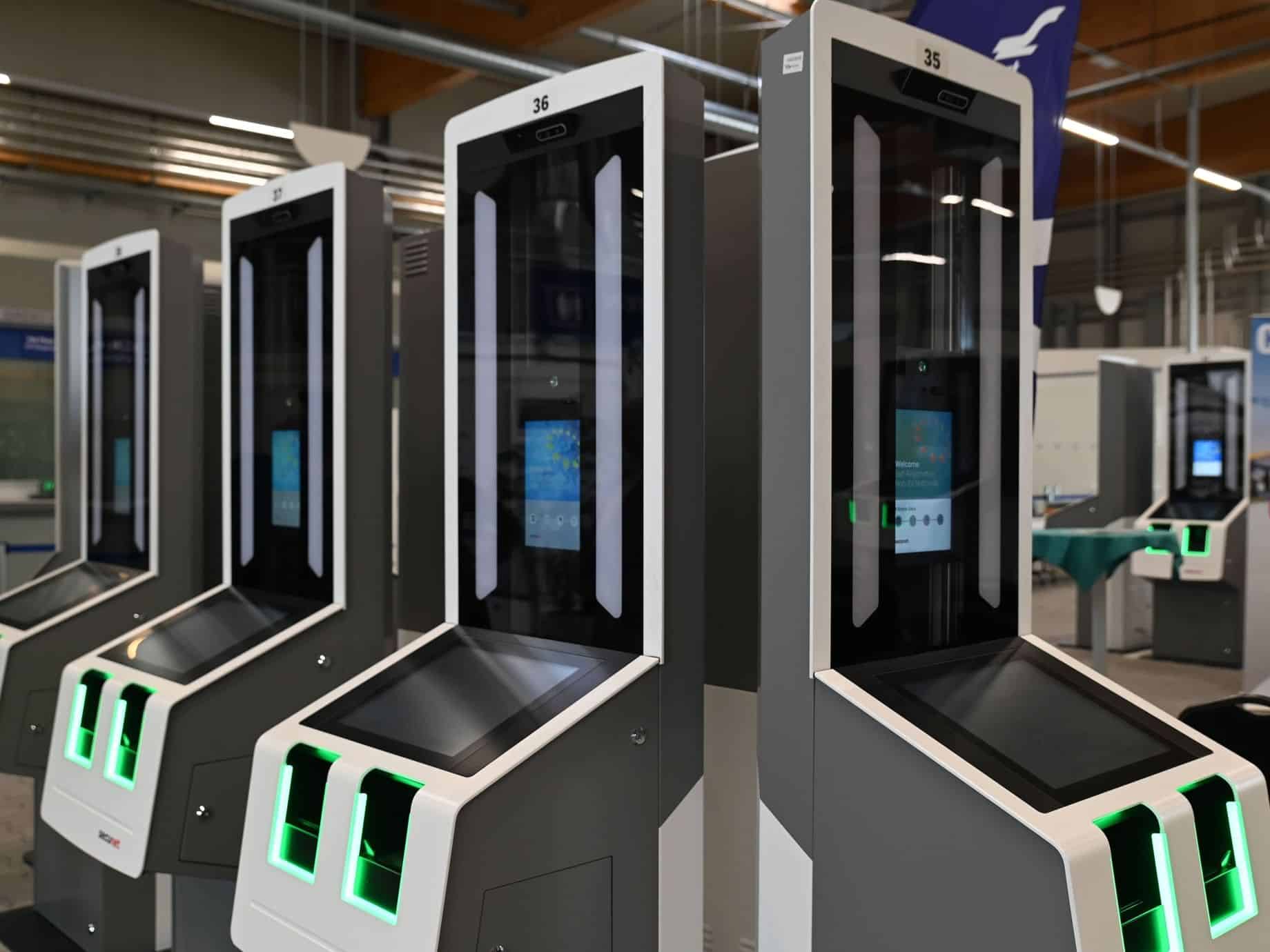
The European Unionhas reaffirmed its commitment to the Entry/Exit System (EES), rejecting calls from the aviation industry to suspend the biometric border control programme despite ongoing travel disruption at airports and border crossings following its rollout. Introduced this year, the EES requires travellers from outside the European Union to register their fingerprints and facial images when entering the Schengen Area. Since its launch, the system has caused long queues and flight delays as authorities and transport operators grapple with technical problems and implementation challenges. A European official in Brussels said on Wednesday that suspending the system altogether would be “neither practical nor necessary”, explaining that the EES relies on the continuous recording of travellers’ entry and exit movements, making a full suspension incompatible with its operation. The official said existing rules already allow member states to temporarily suspend biometric registration for up to six hours at a time, with the option to renew the measure if needed. According to the official, this flexibility is proving effective in easing pressure at busy border points, particularly during the peak summer travel period. Airlines and airport operators, however, warned that disruption is likely to persist and renewed calls for the system to be paused until next September. They argue that the current safeguards have not been sufficient to prevent congestion or ensure the smooth flow of passengers. Defending the EES, the European Union said the system has processed around 110 million border crossings involving approximately 52 million travellers and has helped prevent the illegal entry of about 44,000 people. Officials added that work is continuing with the aviation sector and national authorities to improve the system’s performance and minimise disruption.