Helio and You: June 2026 - NASA Science
LevelsIntermediate (6-8)Advanced (9-12+)Material TypeArticle/Informative TextHeliophysics Big IdeasBig Idea 1. 1 – The Sun is really big…Big Idea 1. 2 – The Sun is active…Big Idea 1. 3 – The Sun’s energy drives. . .
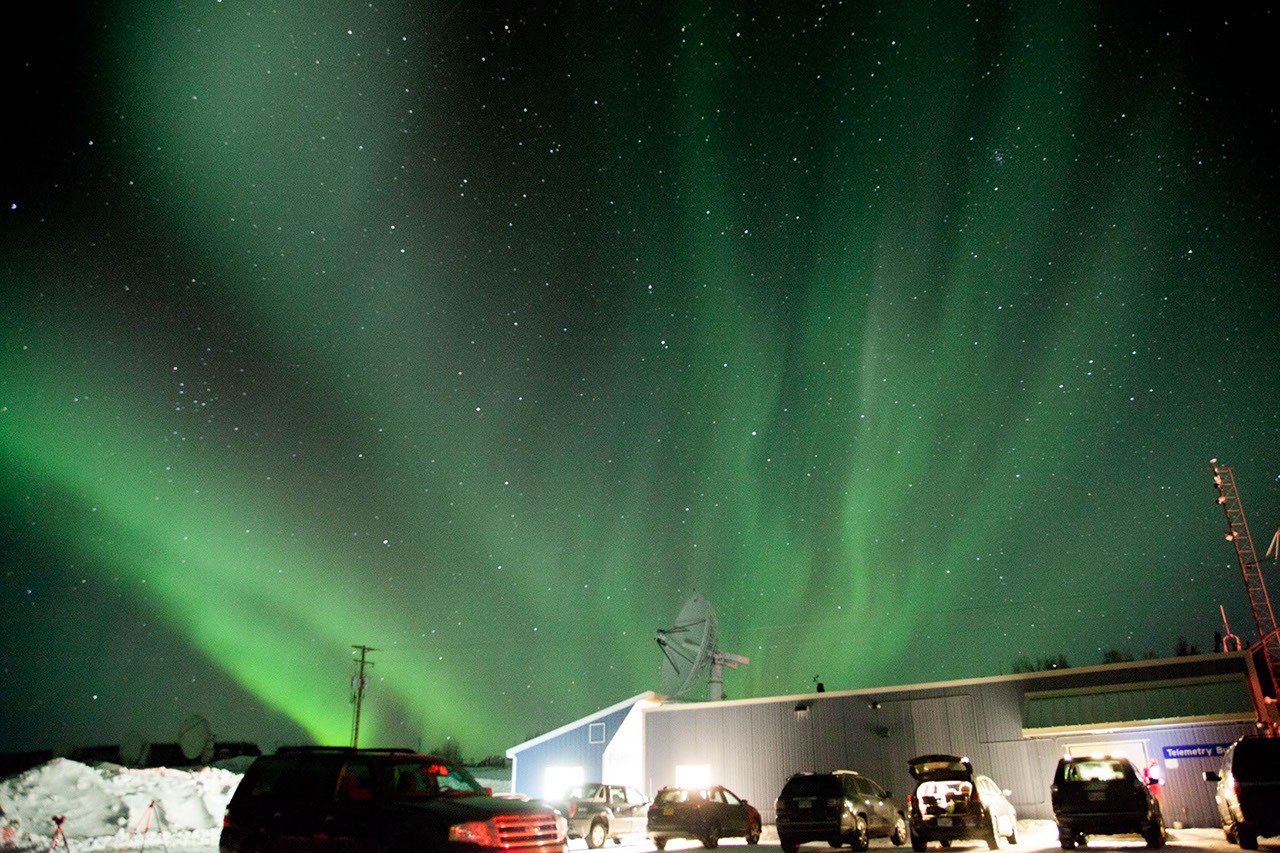
LevelsIntermediate (6-8)Advanced (9-12+)Material TypeArticle/Informative TextHeliophysics Big IdeasBig Idea 1. 1 – The Sun is really big…Big Idea 1. 2 – The Sun is active…Big Idea 1. 3 – The Sun’s energy drives Earth’s climate…Big Idea 2. 2 – The Sun defines the space…Big Idea 2. 3 – The Sun is the primary source of light…NGSSESS1 - Earth's Place in the UniverseESS2 - Earth's SystemsESS3 - Earth and Human ActivityPS3 - EnergyHeliophysics TopicsAtmosphereAuroraBiosphereClimate ChangeCoronaCoronal Mass EjectionEcosystemEnergyGeomagnetic FieldGeomagnetic StormLightMagnetospherePhysicsSeasonsSolar CycleSolar WindSolar FlareSunSunspotTechnologyHeliophysics MissionsSounding RocketMaterial Cost per LearnerFreeLanguageEnglishAs the only state to lie partly within the Arctic Circle, Alaska experiences a wide range of extreme conditions. But with these extremes comes the chance to conduct science vital to understanding the Sun-Earth system, including launching sounding rockets to study solar flares, auroras, and other phenomena. This article explores the ways that scientists use Alaska's extreme environment to their advantage, and is connected to educational resources that help K-12+ teachers explain this research and related concepts in simple, engaging ways for students. Find the article here↗