How to Get Rid of Dog Odor: A Science-Based Guide to Eliminating Dog Smell | The Dogs
If you own a dog, you’ve probably experienced this frustrating situation: you give your dog a thorough bath, but just a few days later, your home starts smelling like dog again. Some dogs even begin to develop body odor shortly after being bathed. To solve the problem, many pet parents turn to products like dog odor eliminators or dog deodorizing …
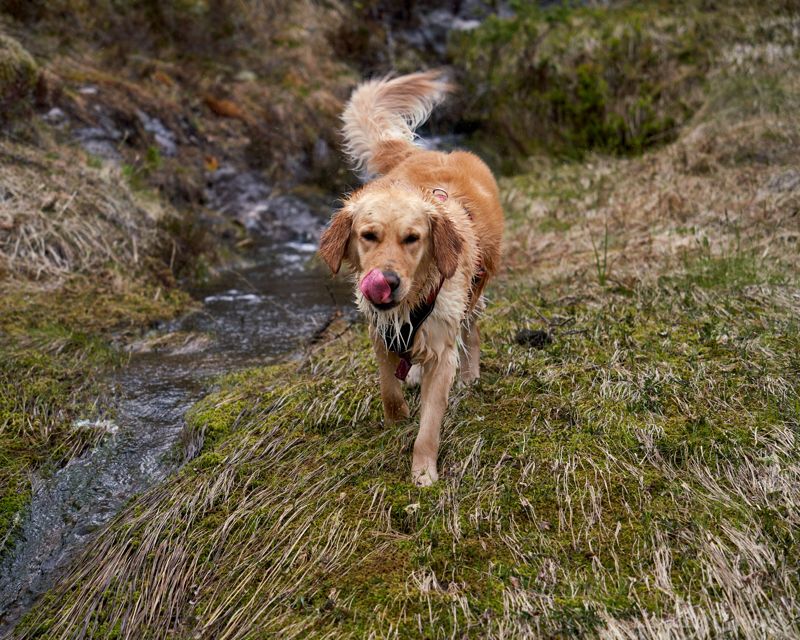
If you own a dog, you’ve probably experienced thisfrustratingsituation: you give your dog a thorough bath, but just a few days later, your home starts smelling like dog again. Some dogs even begin to develop body odor shortly after being bathed. To solve the problem, many pet parents turn to products like dog odor eliminators or dog deodorizing sprays. Unfortunately, getting rid of dog odor isn’t always that simple. Some odors are completely normal and part of a dog’s natural biology, while others may signal underlying issues involving the skin, ears, mouth, or digestive system. If you’re only masking the smell instead of addressing its source, you’re treating the symptom—not the cause. In this guide, we’ll explain why dogs develop body odor, how to eliminate it effectively, and share practical home remedies that can help keep both your dog and your home smelling fresh. Why Do Dogs Have Body Odor?Many owners assume that if a dog smells bad, it simply needs a bath. In reality, dogs naturally produce more odor than humans because their skin is very different from ours. Dogs typically have:More active oil (sebaceous) glandsFur that traps oils, dirt, and environmental debrisSweat glands located primarily in their paw padsSkin that provides an ideal environment for naturally occurring bacteria and yeastTogether, these biological characteristics make dogs naturally smell stronger than people—even when they’re perfectly healthy. Why Does My Dog Still Smell After a Bath?If your dog still smells shortly after bathing, there are usually one or more underlying causes. 1. The Coat Isn’t Completely DryOne of the most common reasons is moisture trapped deep within the coat. This creates the classic “wet dog smell. ”Warm, damp fur allows bacteria and yeast to multiply rapidly, producing a noticeable odor. If you own a double-coated breed, a long-haired dog, or a breed with skin folds, it’s especially important to dry the undercoat thoroughly after every bath. 2. Excess Skin OilToo much natural skin oil can make your dog’s coat develop a strong odor over time. Several factors may increase oil production, including:Skin inflammationUsing low-quality or inappropriate shampooBathing too frequentlyDiets that contain excessive amounts of fatMaintaining healthy skin is one of the most effective ways to reduce body odor. 3. Odors Coming From the Ears, Mouth, or Anal GlandsSometimes what appears to be body odor is actually coming from another part of the body. Ear infections often produce a sour or musty smell, especially in floppy-eared breeds where moisture is easily trapped. Severe plaque buildup or periodontal disease can cause extremely bad breath that owners sometimes mistake for body odor. Another commonly overlooked source is the anal glands. When they don’t empty properly, they can release a strong fishy odor that’s difficult to ignore. How to Eliminate Dog Odor EffectivelyThe key to controlling odor isn’t covering it up—it’s maintaining healthy skin and coat. Choose the Right ShampooA high-quality dog odor eliminator shampoo works by neutralizing odor-causing molecules instead of simply masking smells with heavy fragrance. Look for products specifically formulated to remove body odor while supporting your dog’s skin barrier. Care for Sensitive SkinIf your dog has sensitive skin, redness, or frequent itching, choose products carefully. Look for shampoos that are:Alcohol-freeHypoallergenicpH-balanced for dogsLightly scented or fragrance-freeGentle products help protect the skin barrier while reducing irritation that can contribute to unpleasant odors. Freshen Up Between BathsBathing too often can strip away your dog’s natural oils, so it’s helpful to freshen your dog between baths. A quality dog deodorizing spraycan neutralize odors directly on the coat without requiring another full bath. Simply spray lightly onto the fur according to the product directions, and the odor-neutralizing ingredients will help eliminate unwanted smells while leaving the coat fresh. How to Remove Dog Odors From Your HomeHave you ever wondered why your house still smells like dog even after you’ve just bathed your pet?The answer is simple: many odors remain trapped in bedding, furniture, carpets, and other fabrics. Here are a few ways to keep your home smelling clean. Wash Dog Bedding RegularlyWash your dog’s bed at least once a week using a mild detergent. Make sure it dries completely before your dog uses it again. Deodorize FurnitureSofas, rugs, and carpets tend to absorb body oils, pet dander, bacteria, and even urine residue. A dog odor spray for furniture can help remove lingering odors from upholstered surfaces and fabrics. Improve Indoor Air QualityAir fresheners usually mask odors temporarily instead of eliminating them. Opening windows regularly or using an air purifier can significantly improve indoor air quality and reduce persistent pet odors. DIY Dog Odor Eliminator Home RemediesIf you prefer natural solutions, these dog odor eliminator home remedies can help reduce odors around your home. Baking SodaSprinkle baking soda on dog beds, carpets, or upholstered furniture to absorb unwanted odors. Avoid applying large amounts directly to your dog’s skin. Homemade Deodorizing SprayMix one part apple cider vinegar with three parts water in a spray bottle. For a pleasant scent, some people like to add a few drops of lavender essential oil. However, because essential oils may irritate some dogs and can betoxicif misused, consult your veterinarian before using them around your pet. Improve Your Dog’s DietA diet rich in Omega-3 fatty acids can support healthier skin, reduce inflammation, and improve coat condition, which may help minimize body odor over time. Final ThoughtsIf you want your dog—and your home—to smell fresher, don’t focus solely on covering up odors. Instead, prioritize healthy skin, use the right grooming products, maintain good hygiene throughout your home, and identify the true source of any persistent smell. The most effective long-term solution isn’t simply using a dog body odor eliminator. It’s building a complete grooming routine that supports your dog’s overall skin health and well-being. Cover Photo by Barnabas Davoti: https://www. pexels. com/photo/photo-of-dog-on-grass-12841753/