Iran Shuts Hormuz As Middle East Peace Talks Enter Dire Straits
Iran said on Saturday it has shut the Strait of Hormuz just days after a peace deal to end hostilities in the Middle East was signed with the US, in response to Israeli strikes in Lebanon that killed dozens.
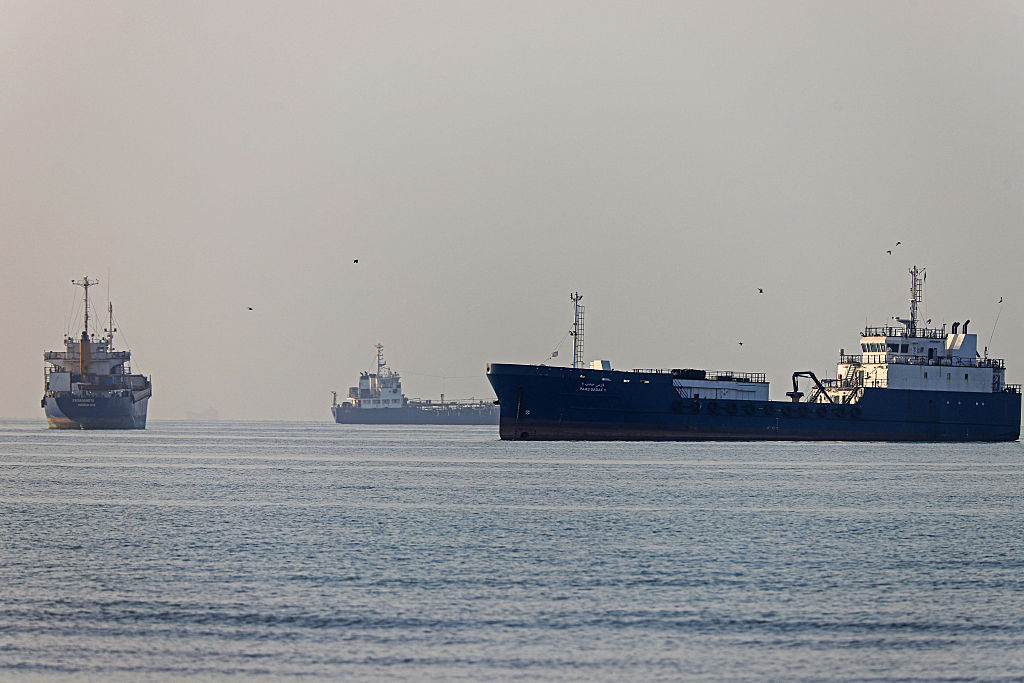
Iran said on Saturday it has shut the Strait of Hormuz just days after a peace deal to end hostilities in the Middle East was signed with the US, in response to Israeli strikes in Lebanon that killed dozens. "In view of the United States' bad faith and its clear breach of its commitments by failing to implement the first article of the memorandum ending the war, and in response to the continuous and ongoing violation of the ceasefire by the Zionist regime in southern Lebanon. . . It hereby announces that theStrait of Hormuzwill be closed to the passage of vessels," the Khatam al-Anbiya Central Headquarters said in a statement that was reported by state broadcaster IRIB, CNN reported. Khatam al-Anbiya, Iran's top joint military command, said this first step is a response to the breach of promise (by the US-Israel). ""If the aggression continues, further steps will be planned and taken to force the enemy to comply with its obligations," the Khatam-al Anbiya statement carried by Iranian state TV said. A fifth of the world's energy supplies were routed through the choke point controlled by Iran before the Middle East conflict erupted on February 28 followingUS-Israeli strikes. The closure of the Strait had send oil prices soaring to as high as $120 a barrel, roiling global markets. Earlier this week, oil prices briefly slipped to below $80 per barrel, the first time since March 3, after a peace deal with Iran was announced by US President. Iran resumedloading crude from its Kharg islandexport terminal after a break of about six weeks, following the lifting of the US Navy blockade of its ports, Bloomberg reported on Saturday. Separately, Tehran's foreign ministry spokesman Esmail Baghaei said on Saturday an Iranian delegation would shortly be leaving for Bürgenstock, Switzerland, for talks with the US. "This trip is, in fact, aimed at following up on the implementation of the other side's commitments," he told state TV. Baghaei said the Iranian delegation did not travel to Switzerland on Friday as"there [was] no longer any urgency for holding that meeting," as a peace deal "was signed digitally by the presidents. "Bagahei was not optimistic about favorable outcomes in the meeting, echoing the official line that a breakthrough is unlikely until Iran feels the US is living up to the deal. "This trip is therefore about demanding that the other side fulfill its obligations," he said, adding that negotiations toward a final agreement will begin only once key commitments are upheld. If they are not, he said, "then the memorandum of understanding as a whole will be jeopardized. "Iran's parliamentary Speaker Mohammad Bagher Qalibaf, Foreign Minister Abbas Araghchi andcentral bank and oil officials are also in the delegation, according to an Associated Press report. The inclusion of oil executives and central bank officials also triggered talk that probably discussions revolving a financial aid package sought by Iran wold figure in the talks. US envoy Steve Witkoff hasarrived in Switzerlandfor technical talks with Iran. President Donald Trump's son-in-law Jared Kushner is already in Switzerland and is expected to join Witkoff asrenewed effortsto cement a deal began, Axios reported. Witkoff's trip is aimed to pave the way for talks to clinch a final deal that could end the uncertainty. Media reports said Pakistan's interior minister Mohsin Naqvi alsoarrived in Iran for talkswith senior I officials. Naqvi will hold talks with his counterpart Eskandar Momeni, as well as Foreign Minister Abbas Araghchi. Pakistan has said the technical-level talks will begin on Sunday in Switzerland, AP reported. Qatari mediators will also participate in the discussions.