Is Twelver Shiism the Cause of the Region’s Successive Crises? - Middle East Transparent
The Answer is “Yes, unequivocally”, If we, Arabs and Gulf citizens, are to call things by their proper names and commit ourselves to candor in describing facts and actions. Since Khomeini's arrival to power in Iran, in 1979, and Iran's transformation from an ally of the West into a theocratic (religious) state, regional conflicts have
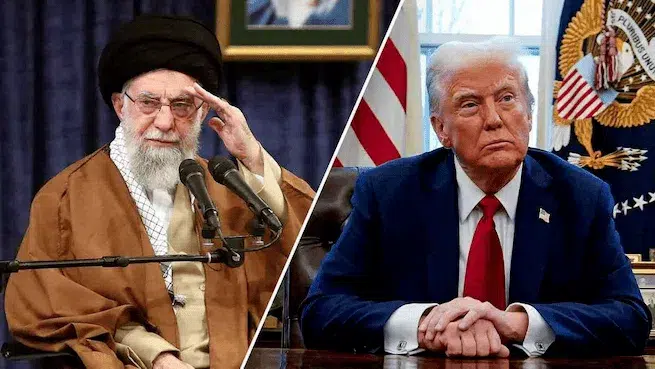
The Answer is“Yes, unequivocally”, If we, Arabs and Gulf citizens, are to call things by their proper names and commit ourselves to candor in describing facts and actions. Since Khomeini’s arrival to power in Iran, in 1979, and Iran’s transformation from an ally of the West into a theocratic (religious) state, regional conflicts have intensified. The slogan of “exporting the revolution” emerged, and the region has suffered from the growing influence of Iranian power and interference in the internal affairs of other countries through the establishment and support of armed militias and movements loyal to Tehran. This led to a state of chronic instability in Lebanon, Iraq, Syria, and Yemen. Introductory Explanation:Twelver Shiites constitute approximately 8% of the world’s Muslims. Remaining Shiite groups, such as theZaydisand their branches, and theIsmailis, make up about 5% of the world’s Muslims. They are peaceful, embrace a culture of coexistence and cooperation, and reject conflict. Our discussion, here, concernsJa’fari Twelver Shiism, which is the official state religion of the Islamic Republic of Iran according to the 1979 Iranian Constitution. At the apex of Iran’s administrative hierarchy stands the Supreme Leader (orWilayat al-Faqih—the Guardianship of the Islamic Jurist), who embodies a Shiite political theory established by Khomeini. This doctrine regards him as the generaldeputy of the Twelfth Imam,the Awaited Mehdi, who is in occultation (“absent”), and grants him the highest political and religious authority. He serves as the Commander-in-Chief of the Armed Forces and possesses absolute authority over judicial and financial oversight, the implementation of rulings, the declaration of war and peace, and is regarded as the holder of the final binding decision for all those who are religiously obligated.