JOHNSTON: War in the Middle East harms millions of children
Skip to ContentNewsLocal NewsProvincialCanadaWorldSpecial-SectionsSportsLocal SportsBaseballBasketballFootballHockeyJunior HockeyCurlingAuto RacingOther SportsEntertainmentLocal. . .
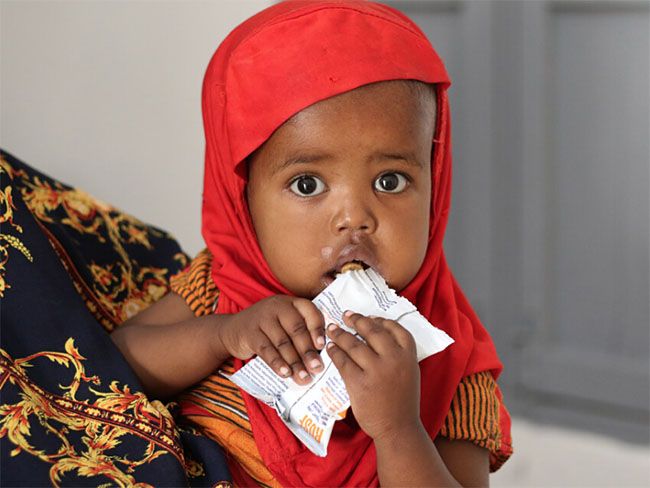
Skip to ContentNewsLocal NewsProvincialCanadaWorldSpecial-SectionsSportsLocal SportsBaseballBasketballFootballHockeyJunior HockeyCurlingAuto RacingOther SportsEntertainmentLocal EntertainmentMoviesMusicTelevisionBooksGamingCelebritiesLifeTravelFoodHealthComicsPuzzlesAdviceOpinionColumnEditorialLettersAll NewspapersAdvertisingAdvertising With UsAdvertising SolutionsPostmedia Ad ManagerSponsorship RequestsClassifiedsObituariesBusiness AdsJobsLives ToldShoppingDrivingOntario FarmerHealthingPuzzmoDiversionsPuzzlesComicsNewslettersProfileSettingsMy SubscriptionsNewslettersCustomer ServiceFAQNewsSportsEntertainmentLifeOpinionAll NewspapersClassifiedsObituariesBusiness AdsJobsShoppingDrivingHealthingPuzzmoNewslettersOpinionColumnJOHNSTON: War in the Middle East harms millions of childrenPublished Aug 06, 2026•Last updated 24 minutes ago•4 minute readSixty-three per cent of children in Somalia and 90 per cent of children in the Gaza Strip currently live with severe child food poverty. Angela Hill/International Federation of Red Cross and Red Crescent SocietiesEditor’s note:Part 1 in a series about conflict and children. Subscribe now to read the latest news in your community. Unlimited online access to all articles on thewhig. com. Access to subscriber-only content, including History: As We Saw It, a weekly newsletter that rips history from our archives, which span almost 190 years. Enjoy insights and behind-the-scenes analysis from our award-winning journalists. Support local journalism and the next generation of journalists. Subscribe now to read the latest news in your community. Unlimited online access to all articles on thewhig. com. Access to subscriber-only content, including History: As We Saw It, a weekly newsletter that rips history from our archives, which span almost 190 years. Enjoy insights and behind-the-scenes analysis from our award-winning journalists. Support local journalism and the next generation of journalists. Create an account or sign in to keep reading. Access more articles from thewhig. com. Share your thoughts and join the conversation in the comments. Get email updates from your favourite journalists. Create an account or sign in to continue with your reading experience. Access articles from across Canada with one accountShare your thoughts and join the conversation in the commentsEnjoy additional articles per monthGet email updates from your favourite authorsSign In or Create an AccountorThe regional war in the Middle East is harming millions of children globally. Recommended VideosNot only do wars endanger the lives and limbs of children, conflicts also trigger economic crises that impoverish families, putting them at risk of: falling into food insecurity and malnutrition; losing access to education; and adopting negative coping strategies, such as early marriage or child labour. Economic shocksAccording to the United Nations Office for the Coordination of Humanitarian Affairs (OCHA), the humanitarian situation in the Middle East is worsening due to the escalation of the regional war. In a July 30 update, OCHA reported that civilians were “increasingly at risk and essential infrastructure disrupted across the region. ”“Up to 23. 4 million additional children could fall into monetary poverty by the end of the year, as ongoing tensions in the Middle East and related shipping disruptions continue to have a damaging and potentially irreversible impact on children,” UNICEF declared in a July 16 press statement. Your weekday lunchtime roundup of curated links, news highlights, analysis and features. By signing up you consent to receive the above newsletter from Postmedia Network Inc. A welcome email is on its way. If you don't see it, please check your junk folder. The next issue of The Kingston Whig-Standard's Noon News Roundup will soon be in your inbox. We encountered an issue signing you up. Please try again“Children are paying the price for the escalating conflict in the Middle East, including children far beyond the region,” UNICEF Executive Director Catherine Russell is quoted as saying in the statement. “Rapidly rising costs are making food and education unaffordable for many families. For children already living in poverty, these shocks deepen deprivation and can cause harm that lasts a lifetime. ”Report details human tragedy“While the gravest impacts are borne by children and families in and around areas affected by the conflict, the crisis is also generating economic shocks that extend far beyond the region, with significant consequences for children’s rights worldwide,” asserts a recently published UNICEF report, which is entitled “The impact of the war in the Middle East on children in monetarily poor households. ”According to the report, under a moderate scenario, the global shock could cause an additional 18. 3 million children to fall into poverty. However, the situation could be much worse if the severe scenario is realized, with an additional 23. 4 million children pushed into poverty. The report notes that the “the closure of the Strait of Hormuz following the escalation of conflict in early 2026 has created a major shock to the global economy” by disrupting “one of the world’s most important energy and shipping corridors, carrying a significant share of global seaborne oil, liquefied natural gas and fertilizer trade. ” The resultant disruptions have caused energy prices to spike, shipping costs to rise, and global inflation to skyrocket. “Crucially, these economic effects risk reversing recent progress on child poverty, and exposing millions of additional children to deprivation, including in countries geographically distant from the conflict,” UNICEF warns. Transmission channelsAccording to UNICEF, global shocks reach vulnerable children through three main “transmission channels. ”“The first and most immediate transmission channel relates to rising prices and declining household purchasing power,” UNICEF explains. “It also lowers incomes directly: slower growth cuts earnings, so falling incomes and rising prices squeeze households from both sides. ”Consequently, families are forced to adopt negative coping strategies, such as skipping meals, postponing medical treatment, and withdrawing children from school. They may also “push children into work, or accept child marriage as a survival strategy,” UNICEF reports. “These choices may help a household survive the immediate shock, but they can also permanently damage child health, learning, protection and future earnings. ”“The second transmission channel relates to the affordability, accessibility and continuity of essential services,” the report states. “Higher fuel and logistics costs increase the operating costs of health, education, nutrition, child protection, and water and sanitation services. ”“Energy-saving measures — such as planned power cuts, reduced opening hours and emergency austerity — can compromise critical services for children, including maternity wards, neonatal units, vaccination systems, schools, early childhood centres and water systems,” UNICEF states. As prices spike, lower income households “become less able to afford transport, medicine, school materials or care services,” the report notes. “At the same time, they become more dependent on public systems that are themselves under strain. The result is a reinforcing cycle in which services become harder to reach precisely when families need more support. ”“The third transmission channel relates to fiscal pressure and reduced government policy space,” UNICEF reports. Whilst the demand for public services rises due to the global shock, government revenues do not keep pace. According to UNICEF, the “knock-on effects” of the global shock are already painfully obvious. “Forty-five developing countries now pay more on interest than they spend on health, and 22 spend more on interest than on education,” the report states. “These pressures translate directly into cutbacks to child-focused programmes. When fiscal space narrows, programmes that protect nutrition, learning and health can become adjustment variables, and can be among the first to face cuts. ”Long-term response“Economic shocks are no longer rare events but an increasingly frequent feature of the global environment, driven by conflict, climate change, financial instability, pandemics and geopolitical fragmentation,” the report asserts. “The question is not how to respond to a single crisis, but how to ensure that children and families remain protected across repeated periods of volatility. ”UNICEF recommends prioritizing the protection of children from “irreversible impacts” caused by economic downturns. “A missed measles campaign, a lost year of school, or malnutrition during the first 1,000 days harms health, learning and well-being now, and leaves lasting scars: lower lifetime earnings, poorer health and reduced productivity in adulthood,” the report states. “UNICEF calls on national governments to protect the services children rely on through the shock, as among the highest-return uses of scarce fiscal space,” the UN agency recommends. UNICEF also “calls on donor governments to maintain and, where needed, increase funding for services and supplies children rely on, including investments to ensure continued access to essential health, nutrition, WASH (Water, Sanitation, Hygiene), education and protection supplies, as rising fuel costs and shipping disruption are making these more expensive at the exact moment more children need them. ”Follow Geoffrey P. Johnston on BlueSky @geoffypjohnston. bsky. socialJoin the ConversationThis website uses cookies to personalize your content (including ads), and allows us to analyze our traffic. Read more aboutcookies here. By continuing to use our site, you agree to ourTerms of UseandPrivacy Policy.