Mielle delivers the science backed, scalp approved haircare we've all been looking for.
Crimps, curls, coils, waves and everything in between – textured hair deserves to be celebrated and shown all the TLC it requires. Which, if you have curls and coils, you’ll know well. Textured hair faces. . .
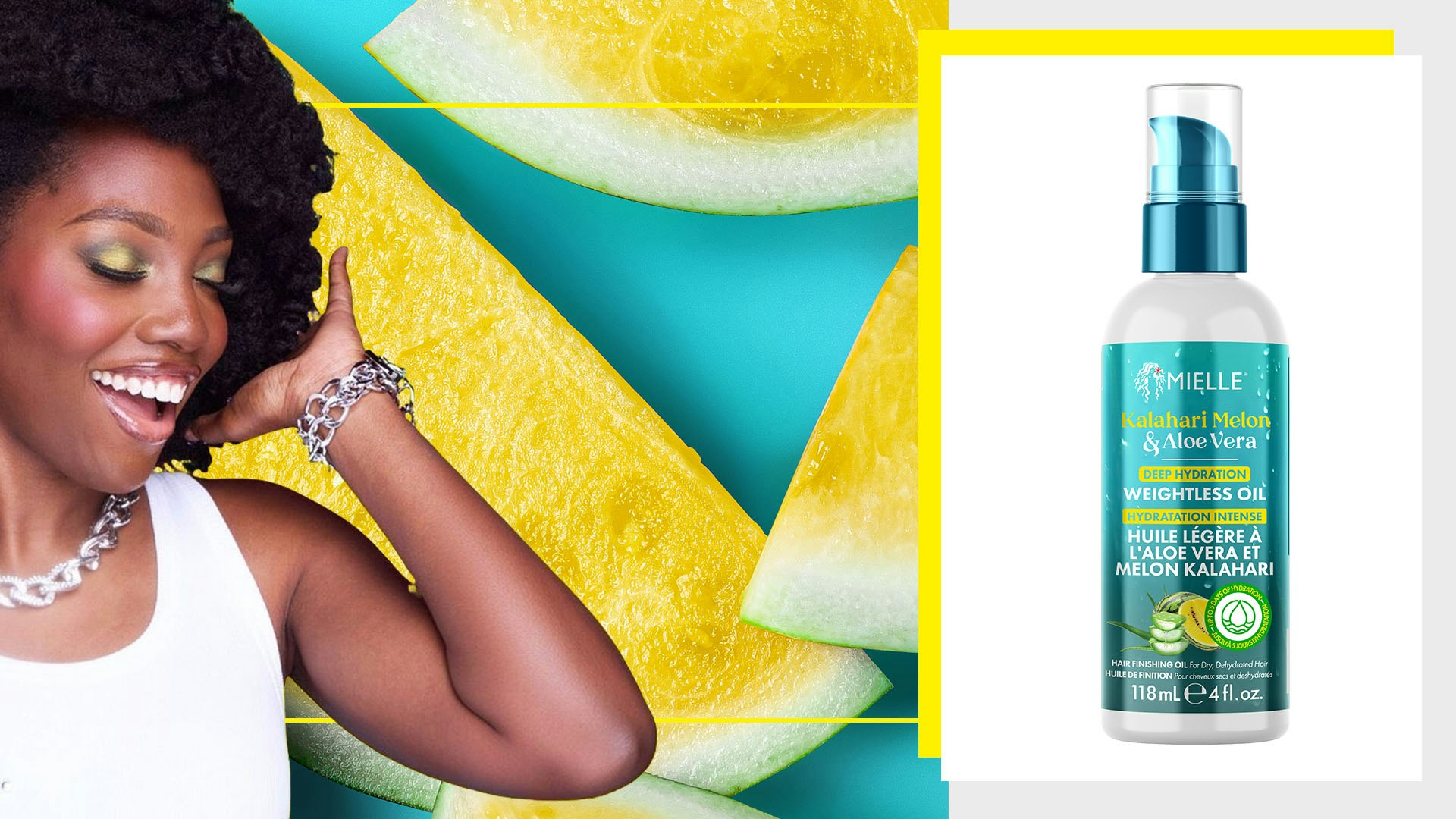
Crimps, curls, coils, waves and everything in between – textured hair deserves to be celebrated and shown all the TLC it requires. Which, if you have curls and coils, you’ll know well. Textured hair faces challenges to condition and strength on the daily, often by way of misinformation around styling techniques and product use, and insufficient hydration. ‘Textured hair is at a deficit when it comes to moisturisation,’ says hair scientist at Mielle Kierston Jackson. ‘Compared to straighter hair types, it is much harder for sebum, the scalp's natural oil, to travel from root to tip around all the bends and curves of the hair strand. As a result, hair is often left drier and more vulnerable to frizz, breakage and split ends. ’ Sound familiar? If you’re in need of a refresh and your hair’s crying out for some love, look no further. Here, Kierston and content creator and healthy hair advocate Dammy Saint Claire discuss the intricacies of textured hair care, curl types, and the best products to make a play for. Scroll through ten ways to keep textured hair happy and healthy - consider this your screenshot-and-keep cheat sheet. ©Mielle1. Indulge in a deep cleanseWhipping away product build-up without stripping your hair or scalp is crucial to getting the most out of any haircare you use afterwards. Starting off with the right foundation is key so making sure your strands are cleansed and clarified before executing your moisture-boost routine. You’d benefit from the use of a clarifying yet gentle shampoo like Mielle’sKalahari Melon and Aloe Vera Deep Hydration Shampooas it soothes and refreshes your scalp. So many people are trying to moisturise their hair, not realising that because of the amount of product buildup that has accumulated over time, they’re unable to achieve the results they would like, without properly cleansing the hair. ‘This is because the hair strand has become coated with so much buildup that it acts as a barrier, preventing moisture from truly entering the layers of the hair strand,’ says Dammy. 2. Focus on moisture retentionMoisture retention is about helping the hair hold on to that hydration for longer. Water is the foundation of hydration, so water-based leave-in conditioners are a great place to start. Oils and creams further help support moisture retention, depending on your hair’s texture, porosity and how easily it gets weighed down. ‘Look for lightweight oils including almond oil, avocado oil, jojoba oil or grapeseed oil if you have hair that needs moisture without too much build-up,’ adds Kierston. A good example is Mielle’sRosemary Mint Light Oil, a nutrient-rich formula infused with biotin, mint and rosemary; it aids weightless moisture. ‘For hair that is more prone to dryness or has higher porosity, richer creams, butters or slightly heavier oils may help seal moisture in for longer. ’3. Keep moisturising between wash daysIf your hair is running low on moisture, you might notice less curl definition, thinner ends and an increase in fly-aways caused by breakage throughout your hair. In tightly coiled hair, you may find that your hair feels hard, brittle or stiff. According to Kierston, a helpful way to think about locking in moisture is the L. O. C. method: AKA liquid, oil and cream. Boost moisture by misting your hair with water, applying a leave-in conditioner to your strands like Mielle’sKalahari Melon and Aloe Vera Multitasking Leave-In. To maintain hydration the strands, apply oil section-by-section like theKalahari Melon and Aloe Vera Deep Hydration Weightless Oil. While, finishing off with a cream helps seal the cuticle and keep moisture in the strand for longer. Of course, the order matters. ‘You want to apply products from lightest to heaviest, while focusing on the ends to prevent dryness and breakage,’ says Kierston . ©Mielle4. Devote time to improving your scalp healthWhen your scalp is clean it is less inflamed making for a better environment for hair to grow. An inflamed scalp can impact the strength of your hair as it grows, causing you to have weaker strands from the start. ‘Try and switch up your routine to more frequent washes, increasing it to at least once every two weeks,’ says Kierston. Your scalp and hair will thank you. ©Mielle5. Listen to your scalpOver time prioritising a healthy scalp environment helps improve the overall health, strength and resilience of hair, so it is important to look out for signs that it is not happy. A flaky and itchy scalp may signal dandruff. ‘To eliminate the common bacterium that causes it, start by washing your hair using a shampoo that has ingredients designed to clean and remove that bacteria,’ says Kierston. ‘Follow up with a conditioner and let sit for 5-10 minutes, rinse and then style as desired. In between washes apply a scalp soothing daily refresher to soothe, calm and moisturise your scalp. ’ If your scalp tends to become oily or your hair gets weighed down quickly, it is best to avoid applying heavy creams, butters or oils directly to the scalp too often. Kierston recommends looking for lightweight, hydrating products that support the hair and scalp without creating unnecessary build-up. A nice addition to your routine could be the MielleRosemary Mint Shampoo, a nourishing treatment that promotes a healthy scalp and stronger strands. It’s safe to say that it's all about balance. You still want to keep the hair hydrated, especially the mid-lengths and ends, but the scalp may need lighter formulas and regular cleansing to stay comfortable and refreshed. ©Mielle6. Add antioxidants to your hair routineAntioxidants are known to help reduce scalp inflammation and reduce protein breakdown in your hair by protecting it from environmental effects. Mielle’sRosemary Mint collectionworks to cleanse your scalp while strengthening your hair in the process. ‘Research suggests that rosemary may help support circulation which is important because hair follicles rely on a healthy blood supply to receive oxygen, vitamins and minerals needed to support healthy hair growth,’ says Dammy. 7. Continue cleansing your scalp while wearing protective stylesWhile your hair is in protective hairstyles it is important that you continue to cleanse your scalp as they tend to be very drying. Gently cleanse by massaging in Mielle’sRosemary Mint Strengthening Shampoo, not only does it remove build up, it also strengthens your hair. Following up with a moisturiser is key. Try the Kalahari Melon Multitasking Leave-In. The mist provides moisturisation with ease without making your hair feel heavy. ‘It’s important to note that sometimes your scalp needs extra attention in the form of gentle exfoliation to really give it a deep cleanse and help rebalance the scalp microbiome,’ says Dammy. Mielle’sRosemary & Mint Sugar Scalp Scrubwill do the job just right. ©Mielle8. Understand your hair porosityPorosity refers to the way hair retains and absorbs water. ‘Think of your hair cuticle, the outermost layer of your hair strand, as a gate,’ says Kierston. ‘In order to moisturise your hair, products need to be able to pass through it to get to the deeper layers of the hair strand. How easily this happens depends on your hair’s porosity. ’ There are three levels: low, medium and high. The level is determined by the spaces between the hair cuticles. If you were to look at the cuticle under a microscope, it looks similar to the shingles on a roof. The spacing between those “shingles” determines porosity. The closer together the cuticle, the lower the porosity. ‘I tend to opt for lightweight products as low porosity hair can be more prone to product buildup,’ says Dammy. Meanwhile, for high porosity hair, richer products such as butters or lightweight gels may be needed to help moisture last longer. For an at-home consultation, Kierston advises to do the Slip 'N' Slide Test on clean, freshly washed hair. Start by taking a wet strand of hair and run your fingers from the tip to the root. ‘Low porosity hair is smooth because the cuticle is closed while high porosity hair is bumpy because the cuticle is open,’ says Kierston. Alternatively, you can do the Towel Dry Test. After washing your hair, gently blot your hair with a towel and note how long it takes to air-dry or feel damp. Low porosity hair takes a long time to dry while high porosity hair dries quickly. ©Mielle9. Know that oil doesn’t replace waterA moisture-related myth worth decoding is that oil replaces water. While oil can be an essential step for an effective moisture routine, it could never replace water. Serving as the foundation for hydration, water properly hydrates the hair strands. The use of oil aids for locking in moisture and acting as a barrier to reduce moisture loss. Thicker hair would benefit from the use of strengthening oils like Mielle’sRosemary Mint Oil, whereas the Mielle’sRosemary Mint Light Oilworks well for low porosity or finer hair to help avoid weigh-down. ‘Depending on the type of oil you use, it could also provide added benefits to the hair, but it does not replace the role of water,’ says Dammy. 10. Embrace patchwork haircareIf you have an oily scalp but dry ends, focus on applying lighter products near the scalp and richer moisture on the mid-lengths and ends. The scalp may need regular cleansing and lightweight formulas, while the ends may need more leave-in conditioner, oil or cream. The biggest change is understanding what your hair actually needs and then building a consistent routine around it. Haircare is personal, and what works for one person may not work for another, even if their hair looks similar. Bonus points? ‘Develop the right mindset and mentality towards your hair,’ says Dammy. Love your hair and science says that it will love you right back. Shop the full Mielle collectionhere. Just so you know, we may receive a commission or other compensation from the links on this website -read why you should trust us