Oil Prices Soar Amid Escalating Middle East Tensions
Crude oil prices surged past $100 per barrel today, driven by fresh tensions in the Middle East. The increase comes after attacks on shipping vessels in the Red Sea, which has raised concerns about. . .
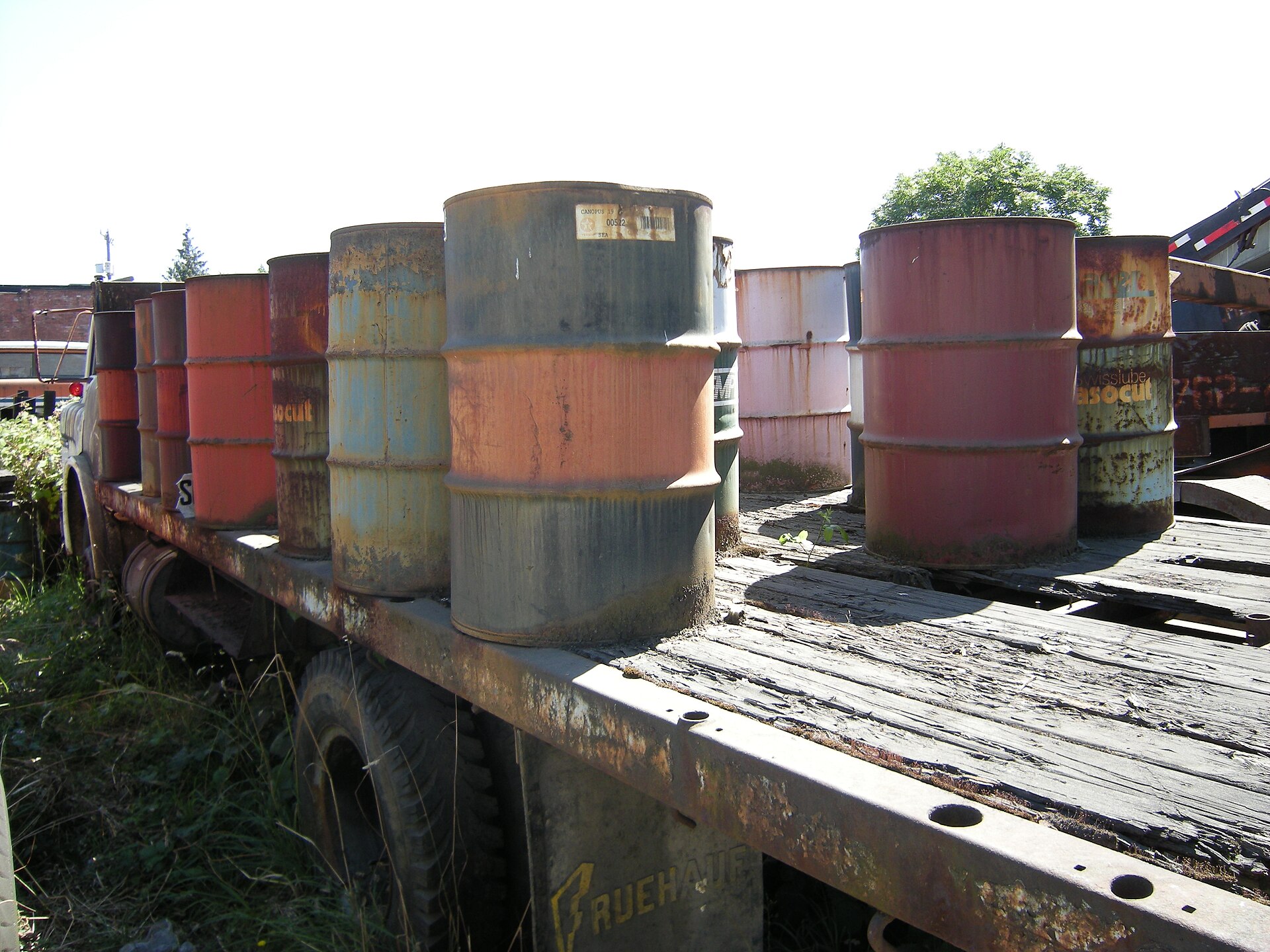
Crude oil prices surged past $100 per barrel today, driven by fresh tensions in the Middle East. The increase comes after attacks on shipping vessels in the Red Sea, which has raised concerns about disruptions to global oil trade. The Houthis in Yemen have claimed responsibility for striking two Saudi tankers, adding to the risk of a naval blockade in the region. This new threat is on a different shipping route from the Strait of Hormuz, which has long been a chokepoint for oil exports. The conflict has reignited fears of supply disruptions, especially after earlier tensions had caused prices to climb. Investors are reacting to the uncertainty by adjusting their expectations for global trade and energy markets. The price of oil has risen from about $70 a barrel just a month ago, showing how quickly the situation can affect global markets. Gasoline prices have also begun to rise, with AAA reporting that drivers are seeing increases at the pump. The spike in oil prices is affecting more than just fuel costs, as it influences inflation and interest rates across the economy. Higher oil prices are pushing up shipping costs for goods, which can increase overall inflation and affect mortgage rates. The cost of borrowing money for businesses and consumers is rising, which may slow economic growth. Some analysts believe that the current market situation could lead to further increases in interest rates by central banks. The impact of these changes is being felt across financial markets, including stock prices and bond yields. Despite the recent volatility, some investors still see value in equities, especially if interest rate hikes are not too aggressive. Market leaders say that while the situation is uncertain, it may not be enough to cause a major downturn in stock markets. The United States and Iran had briefly reached an agreement that helped calm the oil market, but that deal is no longer in effect. This lack of a stable agreement adds to the unpredictability of oil prices and global trade. Consumers are watching closely as changes in oil prices affect daily life, especially at the gas pump. The situation in the Middle East continues to be a key factor in global economic stability. As more details emerge, investors and policymakers are trying to assess how long the current disruptions will last. The effects of these developments could ripple through many sectors, from transportation to housing and beyond. For now, the global economy remains sensitive to any new developments in the region. IMAGE: Joe Mabel / Wikimedia Commons (CC BY-SA 3. 0)