Record-Breaking Viewership Marks 2026 World Cup Final in the United States
The most recent World Cup final in the United States attracted more than 62 million viewers, marking a new high for soccer broadcasts in the country. The English-language version aired on Fox drew 38. 9. . .
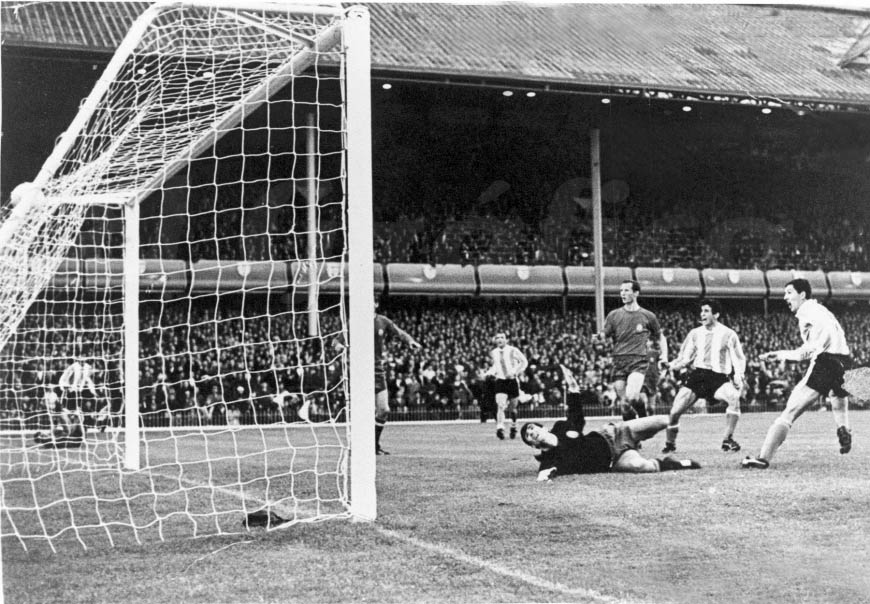
The most recent World Cup final in the United States attracted more than 62 million viewers, marking a new high for soccer broadcasts in the country. The English-language version aired on Fox drew 38. 9 million people. Telemundo and Peacock together brought in another 23. 9 million viewers through their Spanish-language coverage. This total surpassed the number of people who watched the final from the 2022 tournament in Qatar. Fox’s broadcast of the match was the most-watched soccer telecast in U. S. history. The peak audience reached nearly 51. 7 million during a specific time slot. The entire tournament averaged 7. 7 million viewers per game across multiple platforms including Fox, FS1 and Tubi. This figure represented a significant increase from the 2022 event and even more so compared to the 2018 World Cup. The coverage also performed well on social media and streaming services. The official FIFA TikTok account received over 24 billion views during the tournament. Fox One, the network’s streaming service, gained nearly 2. 8 million new subscribers during the event. That was the largest monthly increase in sign-ups for the platform. The final match between Spain and Argentina was part of a larger tournament that featured 48 teams from across three North American countries. The event took place over a span of more than five weeks. It was notable not just for its size but also for how it attracted large audiences throughout all stages of the competition. Several matches during the tournament exceeded 20 million viewers. Two games even surpassed 30 million viewers, including the final and a match between the U. S. men’s national team and Belgium. The overall number of matches that drew over 15 million viewers was also high. These numbers showed a major shift in how American audiences engage with soccer. Fox Sports’ digital presence during the tournament was equally impressive. The network produced more than 300 live-streaming shows, posted over 27,000 social media updates and published more than 1,300 stories. This effort made it the most ambitious content operation in the network’s history. The tournament also saw a rise in social media engagement. The number of followers for Fox Sports increased by more than 10 million during the event. Content from the tournament generated billions of impressions and views across various platforms. One day, July 19, was especially popular with over 542 million social video views. The final game was not only a high point in terms of viewership but also in terms of production quality. It featured a halftime show and performances by well-known players. The event was held at MetLife Stadium, which added to the spectacle. The match was part of a larger effort to bring global soccer to a wider American audience. The 2026 World Cup marked the first time that 48 teams participated in the tournament. This expansion brought more countries into the competition, including several that had never qualified before. Some of these teams made notable impacts during the event. The larger field led to a more diverse set of matches and stories. The way the tournament was structured affected how teams advanced through different stages. The group stage format changed slightly from previous editions. This change influenced how teams competed for spots in later rounds. Some matches had clear outcomes even before their final games, which altered expectations. The event also highlighted the growing popularity of soccer in North America. Viewership numbers were consistently high throughout the tournament. The success of this World Cup may influence future decisions about expanding the number of teams or changing formats. It demonstrated that American audiences are increasingly interested in international soccer events. The 2026 World Cup was not just a sporting event but also a cultural moment. It brought together fans from around the world and showcased how much soccer has grown in popularity. The numbers show that this tournament was more than just another competition. It was a turning point for soccer in the United States. IMAGE: Argentine forward Luis Artime scoring his first goal (of 2) v. Spain at the 1966 FIFA World Cup. . Photo: Unknown authorUnknown author / Wikimedia, taken 1966-07-15, Public domainThis article passed automated originality and source-verification checks before publishing.