Rubio Begins Gulf Tour as Regional Stability and Trade Security Take Centre Stage - Business Today Middle East
U. S. Secretary of State Marco Rubiohas begun a three-day Gulf tour covering the UAE, Kuwait and Bahrain, as Washington seeks to reinforce diplomatic coordination with key regional partners amid heightened. . .
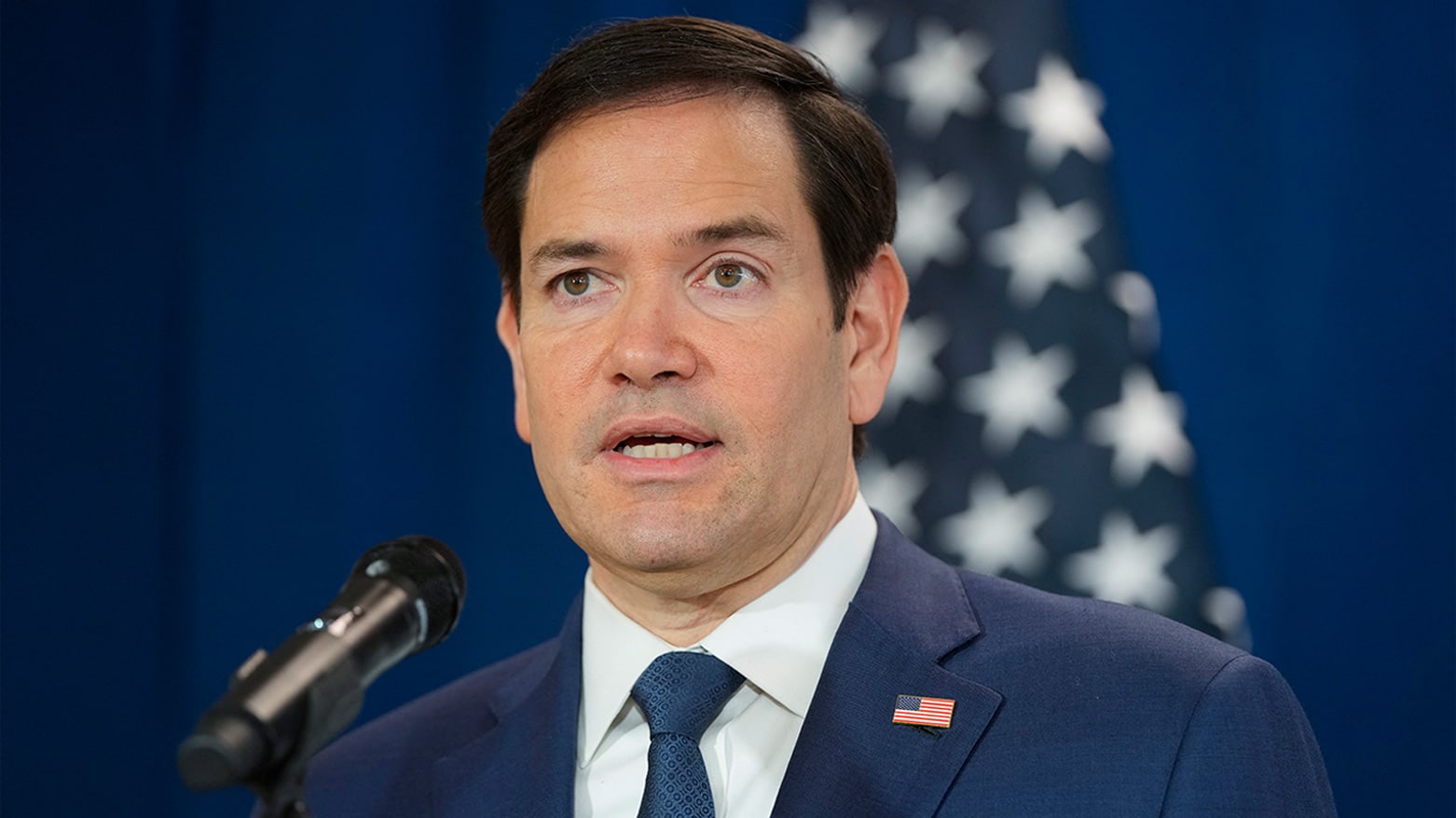
U. S. Secretary of State Marco Rubiohas begun a three-day Gulf tour covering the UAE, Kuwait and Bahrain, as Washington seeks to reinforce diplomatic coordination with key regional partners amid heightened focus on Iran, maritime security and the Strait of Hormuz. Running from June 23 to 25, the visit will focus on regional priorities including the United States’ memorandum of understanding with Iran, efforts to safeguard freedom of navigation, and broader security and stability across the Gulf, according to the U. S. State Department. Rubio is also expected to engage with the Gulf Cooperation Council in Bahrain, bringing together discussions with leaders from the UAE, Kuwait, Bahrain, Saudi Arabia, Qatar and Oman. The meetings come at a pivotal moment for the region, where geopolitical developments remain closely linked to energy markets, global supply chains and investor confidence. For Gulf economies, the security of maritime corridors remains particularly significant. The Strait of Hormuz is one of the world’s most strategically important shipping lanes, supporting the movement of major volumes of oil, gas and commercial cargo between the Gulf and international markets. The U. S. administration is expected to use the trip to reassure regional partners over the proposed Iran understanding and its implications for security arrangements, missile capabilities and Tehran’s regional influence. Gulf states have expressed concern about ensuring that any diplomatic framework delivers lasting stability and protects critical infrastructure, trade routes and energy exports. Rubio’s visit also underlines the Gulf’s continuing role as a global business and investment hub. The UAE, Kuwait and Bahrain have all accelerated diversification agendas, expanding their positions in financial services, logistics, technology, tourism, advanced manufacturing and clean energy. For businesses operating across the region, the outcomes of these high-level talks will be watched closely. Greater clarity around maritime security, diplomatic engagement with Iran and regional cooperation could help support market confidence at a time when companies are navigating volatility in energy prices, shipping costs and cross-border investment conditions.