Saab wins GlobalEye order from Middle East customer
Saab has received an order for two GlobalEye airborne early warning and control (AEW&C) aircraft from an unnamed country in the Middle East, the Swedish manufacturer announced on July 27, 2026. The. . .
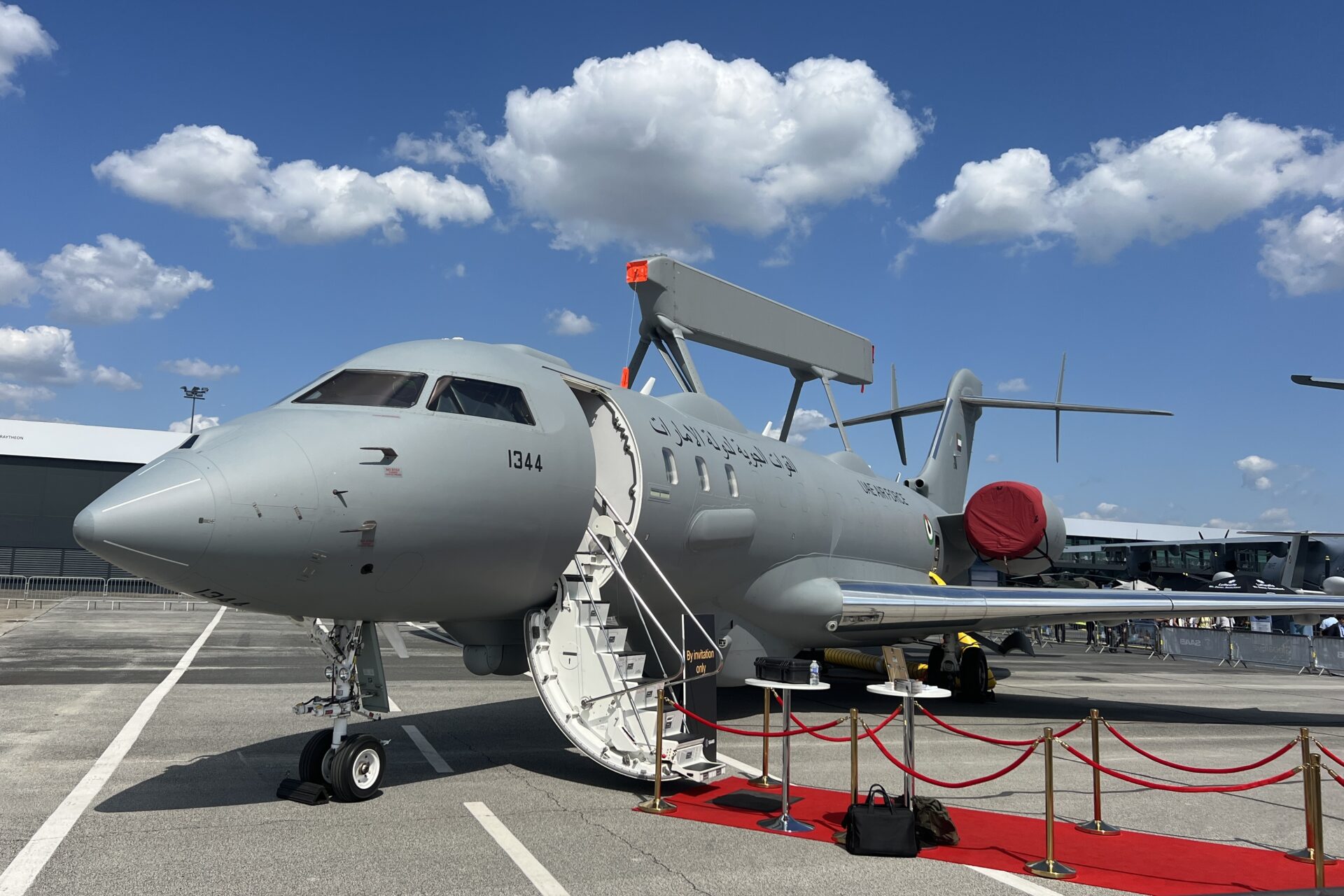
Saab has received an order for two GlobalEye airborne early warning and control (AEW&C) aircraft from an unnamed country in the Middle East, the Swedish manufacturer announced on July 27, 2026. The contract is valued at SEK 10. 1 billion ($1. 04 billion), with deliveries scheduled to take place in 2030. Micael Johansson, President and CEO of Saab, said the order underscored the company’s commitment to providing a “mission-proven, multi-domain AEW&C capability. ”Saab said it would release no further details about the order or the buyer, citing the nature of the industry, circumstances concerning the customer, and national security interests. The company disclosed the contract because it is required to do so under the European Union’s Market Abuse Regulation. The order works out to roughly SEK 5 billion ($520 million) per aircraft. By comparison,France’s contractfor two GlobalEye aircraft signed on December 31, 2025, was valued at SEK 12. 3 billion ($1. 3 billion), though that package explicitly covered ground equipment, training, and support. Saab did not specify what the Middle East contract includes. Saab shares rose about 2% in Stockholm trading shortly after the announcement. Gulf campaigns(Credit: Saab)The United Arab Emirates (UAE) is the only confirmed GlobalEye operator in the region. It ordered three aircraft in 2015 and two more in January 2021, withdeliveries running from 2020 to 2024. In an interview published byReuterson November 21, 2025, Johansson said Saab had submitted offers to Qatar and Saudi Arabia, and that both countries had shown interest in the aircraft. Neither has publicly announced a selection. Order book widens ahead of production rampThe contract adds to a GlobalEye backlog that now includesthree aircraft for Sweden, two for France with an option for two more, and six selected by Canada in May 2026. On July 7, 2026, NATOannounced it would open negotiationswith Saab for up to 10 aircraft to replace its Boeing E-3A Sentry fleet. At its second-quarter results presentation on July 17, 2026, Saab told investors that GlobalEye output could rise from about two aircraft a year to roughly six by 2030, with partnerships supporting the expansion and limiting the need for major new infrastructure spending. Management identified supply chain constraints, rather than factory capacity or workforce availability, as the main brake on faster growth. A 2030 delivery date places the new Middle East order at the far end of that ramp.