Tensions Re-Flare Up in the Middle East, Further Imperiling Global Supply Chains
Amidst the U. S. -Iran war nearing the sixth-month mark, violence is flaring up in the Middle East after hope for a permanent solution to end the conflict faded. Houthis attack first vessel in the Red Sea after months of lull in violence Yemen’s government said this week that Iranian-backed Houthis, who have been attacking vessels in the Red Sea since 2023, conducted their first deadly attack against a commercial cargo vessel since the U. S. -Iran war began back in February. Six people died and another 10 were injured. The Houthis claimed responsibility, targeting a ship it said was carrying Saudi military equipment.
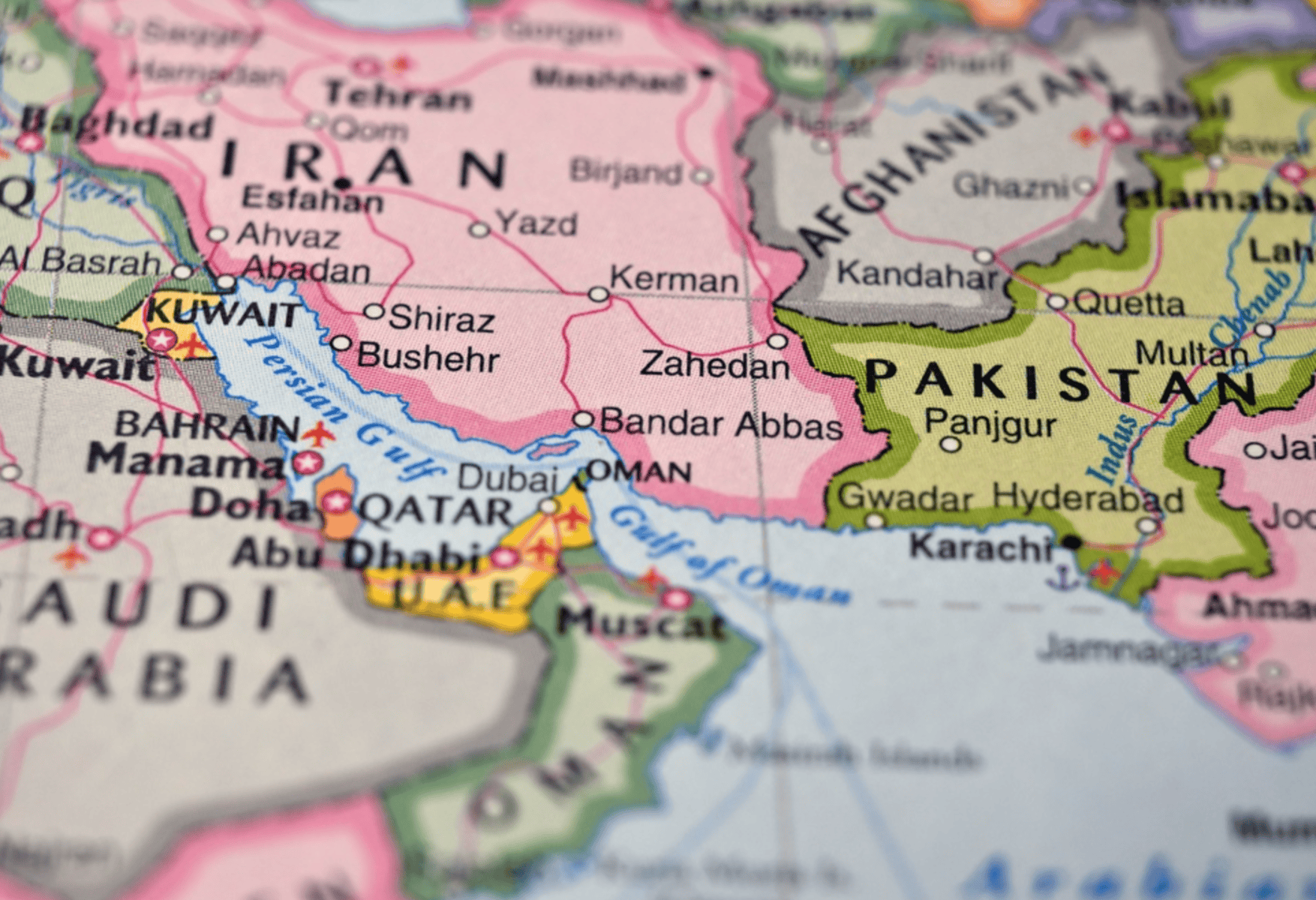
Amidst the U. S. -Iran war nearing the sixth-month mark, violence is flaring up in the Middle East after hope for a permanent solution to end the conflict faded. Houthis attack first vessel in the Red Sea after months of lull in violenceYemen’s government said this week that Iranian-backed Houthis, who have been attacking vessels in the Red Sea since 2023, conducted their first deadly attack against a commercial cargo vessel since the U. S. -Iran war began back in February. Six people died and another 10 were injured. The Houthis claimed responsibility, targeting a ship it said was carrying Saudi military equipment. According to Yemen’s transportation ministry, three ballistic missiles were fired and a fire broke out. The deaths were all crewmembers from Pakistan and Indonesia. When rescuers tried to help those trapped on the vessel, the Houthis fired off a second attack. The news comes after the Houthis announced a naval blockade of Saudi Arabian ports in late July. It’s likely to further deter commercial shipping vessels from transiting the Red Sea and the Bab al-Mandab Strait, strategically located off the Red Sea and the coast of Yemen. U. S. fires shots at vessel for violating naval blockade in Strait of HormuzWhile the Red Sea saw a new attack this week, the Strait of Hormuz saw the U. S. enforcing its naval blockade. The U. S. Navy fired at a Panama-flagged shipping vessel as it was attempting to enter an Iranian port despite the U. S. -led blockade. Two missiles were fired at the ship’s hull, aiming for the engine room. The vesselM/V Vela Novawas crossing the Gulf of Oman at the time of the incident. In a statement, U. S. Central Command said, “The ship is no longer transiting to Iran in violation of the U. S. blockade, which remains in full effect. ” No injuries or deaths were reported as part of the exchange. U. S. extends shipping waiver in bid to prop-up oil markets amid hostilitiesIn response to recent violence and a continuation of hostilities, U. S. President Donald Trump has signed an extension of his previous waiver of the Jones Act this week. The Jones Act, signed back in 1920, requires any goods shipped between U. S. ports to be shipped via a U. S. -flagged and owned vessel. Trump previously signed a waiver of the Jones Act through July 2026, and the latest extension provides another 90-day waiver after a 90-day waiver signed in May 2026. Trump is aiming to allow the flow of oil given the limited number of U. S. -flagged vessels for oil transport globally. U. S. petroleum reserves at any some of the lowest levels in decades, making the need for oil to keep flowing even more important. The overall picture points to continued turmoil in the Middle EastTaken together, all of these recent developments show that the crisis in the Middle East is far from over, and shippers will have to endure more tough weeks and months ahead as violence continues.