The Science of Azerbaijani Qutabs: The Copper Pan Secret
If Not Ancient, Where Did the Dish Come From?The answer lies in a brilliant synthesis of ancient culinary techniques. This infographic breaks down the flash-thermodynamics behind why traditional. . .
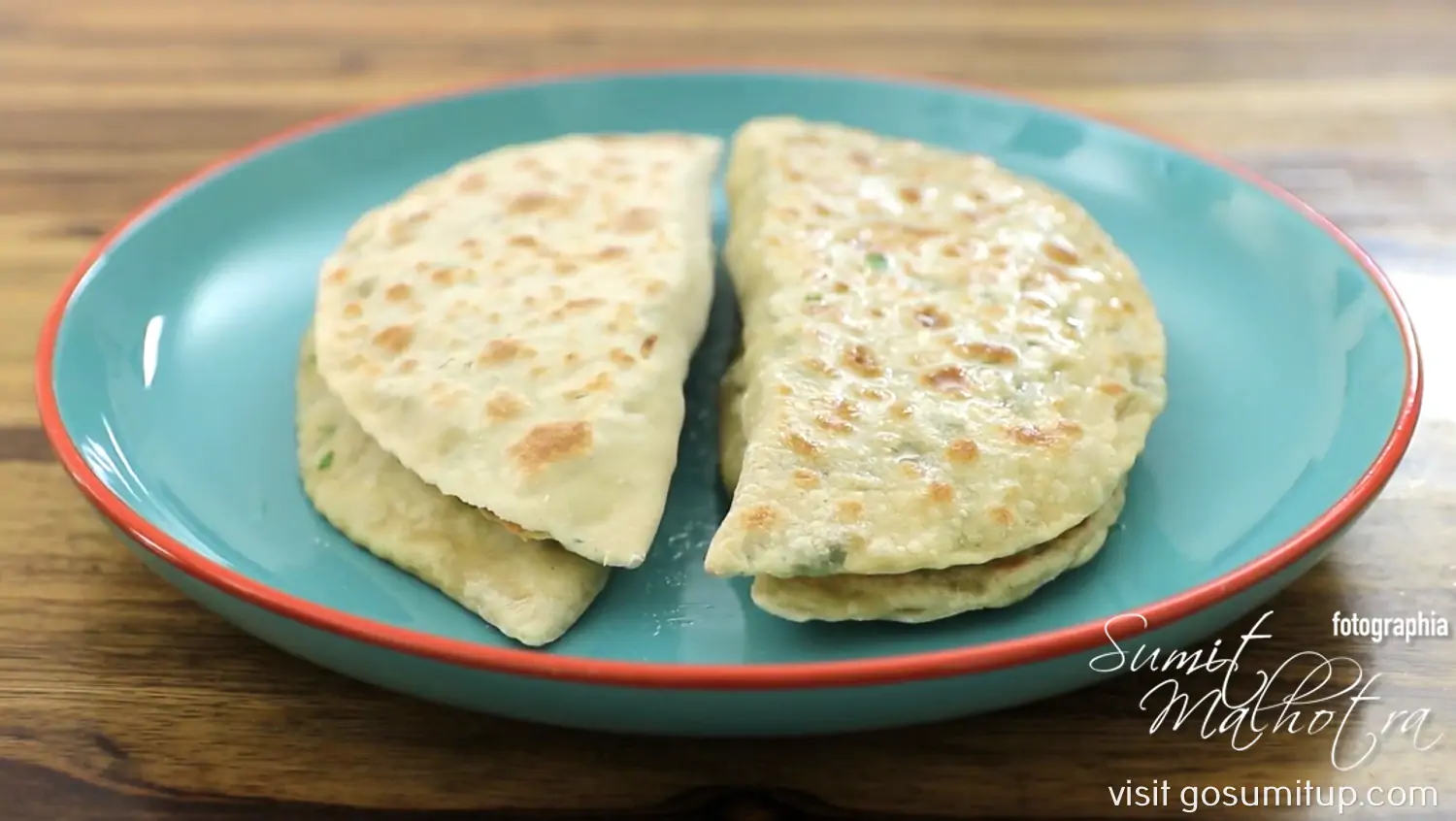
If Not Ancient, Where Did the Dish Come From?The answer lies in a brilliant synthesis of ancient culinary techniques. This infographic breaks down the flash-thermodynamics behind why traditional high-conductivity surfaces are necessary to keep wild herbs sweet and vibrant. Qutab cookware dynamicsThe Modern Stainless Steel PanHeat Delivery: Sluggish & Gradual: Illustrated with a slow, winding heat gradient and a low-intensity thermometer graphic. The text reads: ‘Designed for slow, even home cooking but lacks immediate heat delivery’. Cooking Time: 2 to 3 Minutes: An icon of a stopwatch showing a prolonged cooking duration, keeping the dough trapped on the heat for too long. Cell Wall Status: Extensive Slow Collapse:A microscopic circle diagram illustrating plant cell walls slowly breaking down completely under prolonged heat exposure. Acid Behaviour: Floods the Chlorophyll:A molecular visualisation showing escaping oxalic acid aggressively attacking the magnesium core of the chlorophyll molecule, converting it to dull pheophytin. Filling Result:Muddy Brown & Bitter: An illustration of a sliced-open qutab revealing a dark, unappetizing olive-drab, bitter herb paste. The Seasoned Iron / Copper SurfaceHeat Delivery: Instant Thermal Dump:Illustrated with aggressive, high-energy heat waves blasting directly into the cooking surface. The text highlights: ‘Absorbs massive energy and transfers it into the paper-thin dough wrapper instantaneously’. Cooking Time: 45 Seconds Per Side:A stopwatch icon showing a rapid flash-sear countdown, completing the bake in under a minute. Cell Wall Status: Instant Flash-Lock:A microscopic view showing plant enzymes instantly deactivated by intense thermal energy, keeping the cell walls structurally intact. Acid Behaviour: Trapped & Neutralised:A molecular diagram showing volatile oxalic acids successfully locked away before they can degrade the surrounding green pigments. Filling Result: Vibrant Green & Sweet:A cross-section of a perfectly seared qutab showing a steaming, garden-bright green herb filling that retains its fresh snap. Stuffing Layered on Half Side of QutabStuffing Layered on Half Side of QutabThe Anatomy of a Perfect Flash-SearThe lower section of the graphic maps out the sequential flow of the cooking technique:[Paper-Thin Wrapper] ──► [Screaming-Hot Copper] ──► [Instant Enzyme Lock] ──► [Vibrant Green Filling]The dough acts as a minimal thermal barrier, letting flash-thermodynamics outrun chemical degradation before a final butter wash halts the internal steam chamber. To Sumit up Culinary InsightThey utilise flash-thermodynamics to outrun chemical degradation. The Azerbaijani qutab tradition reveals that what looks like a preference for rustic, old-school kitchen tools is actually a highly sophisticated molecular defence. The ancient masters didn’t need to know the chemical structure of a chlorophyll molecule to understand that slow cooking destroys the life of wild greens. By insisting on high-conductivity seasoned iron and copper, they utilised flash-thermodynamics to outrun chemical degradation—ensuring that every bite of a green qutab tastes exactly like the fresh mountain air it came from. It’s not magic; it’s just kitchen chemistry at the speed of heat.