The Science of Resilience
What helps one person remain resilient through aging, illness, stress, or loss while another struggles? What can the brain learn, preserve, or recover? And how might something as sophisticated as non-invasive brain stimulation—or as familiar as music, movement, storytelling, or self-compassion—help people live better?
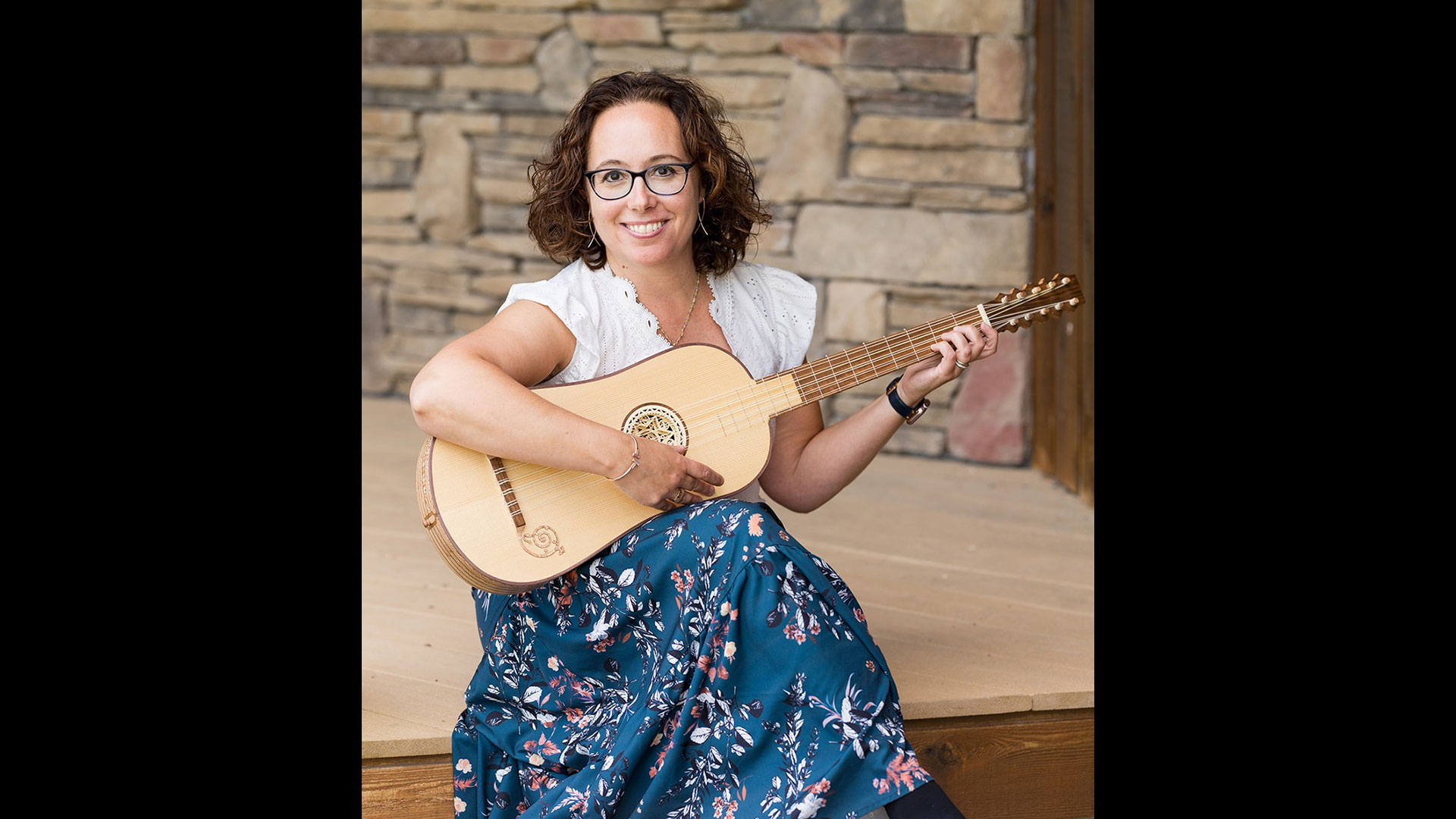
Skip to contentAlumsShare Your AccomplishmentsTravel with FieldingOne-Stop Student CenterGivingTravel with FieldingNewsFielding NewsroomLatest Fielding NewsFielding PressFocus MagazineShare Your AccomplishmentsEventsAcademicsDegrees and ProgramsSchool of PsychologyPhD in Clinical PsychologyPostbac Certificate in Clinical PsychologyRespecialization in Clinical PsychologyNeuropsychology Specialization ProgramPhD in Psychology in Media & TechnologyMA in Applied Media PsychologyCertificate in Media PsychologyPhD in Applied PsychologyPhD in Infant and Early ChildhoodMaster’s in Infant, Child, and Family Mental HealthSchool of Leadership StudiesPhD in Organizational Development and ChangeMA in Organization Development and LeadershipPhD in Human DevelopmentEdD in Leadership for ChangeCertificate in Evidence Based CoachingCourse CatalogTuition & FeesCenters And InitiativesMarie Fielder Center for Democracy, Leadership, and EducationAlonso Center for Psychodynamic StudiesInstitute for Social InnovationOffice of ResearchFacultyApply NowAdmissionsOffice of AdmissionsDeadlines & RequirementsContact an Admissions AdvisorOffice of Financial AidApply for Financial AidCost of AttendanceScholarships & FellowshipsStudent LoansOne Big Beautiful Bill ActTuition & FeesOffice of the RegistrarGraduationDissertation Research RegistrationTransferring CreditMilitary ApplicantsInternational ApplicantsOffice of Student AccountsAccreditationsStudent LifeStudent Life & ThrivingOffice of Inclusive ExcellenceOne-Stop Student CenterContact An Academic AdvisorStudent ServicesRegistrarDisability ServicesDr. Dianne Kipnes LibraryAcademic TechnologiesOffice of Student AccountsTuition & FeesGraduationFielding PressAboutFielding At A GlanceVision, Mission, and ValuesAccreditationsUniversity LeadershipUniversity Leadership TeamOffice of the PresidentOffice of the ProvostInclusive ExcellenceFielding Leading and Learning AcademyGlobal Democracy and Human RightsBoard of TrusteesFacultyCenters And InitiativesMarie Fielder Center for DemocracyAlonso Center for Psychodynamic StudiesInstitute for Social InnovationOffice of Inclusive ExcellenceFielding Leading and Learning AcademyGlobal Democracy and Human RightsFielding PressDr. Dianne Kipnes LibrarySustainability LeadershipFielding StaffEmploymentExcelsior PartnershipAcademicsDegrees and ProgramsSchool of PsychologyPhD in Clinical PsychologyPostbac Certificate in Clinical PsychologyRespecialization in Clinical PsychologyNeuropsychology Specialization ProgramPhD in Psychology in Media & TechnologyMA in Applied Media PsychologyCertificate in Media PsychologyPhD in Applied PsychologyPhD in Infant and Early ChildhoodMaster’s in Infant, Child, and Family Mental HealthSchool of Leadership StudiesPhD in Organizational Development and ChangeMA in Organization Development and LeadershipPhD in Human DevelopmentEdD in Leadership for ChangeCertificate in Evidence Based CoachingCourse CatalogTuition & FeesCenters And InitiativesMarie Fielder Center for Democracy, Leadership, and EducationAlonso Center for Psychodynamic StudiesInstitute for Social InnovationOffice of ResearchFacultyApply NowAdmissionsOffice of AdmissionsDeadlines & RequirementsContact an Admissions AdvisorOffice of Financial AidApply for Financial AidCost of AttendanceScholarships & FellowshipsStudent LoansOne Big Beautiful Bill ActTuition & FeesOffice of the RegistrarGraduationDissertation Research RegistrationTransferring CreditMilitary ApplicantsInternational ApplicantsOffice of Student AccountsAccreditationsStudent LifeStudent Life & ThrivingOffice of Inclusive ExcellenceOne-Stop Student CenterContact An Academic AdvisorStudent ServicesRegistrarDisability ServicesDr. Dianne Kipnes LibraryAcademic TechnologiesOffice of Student AccountsTuition & FeesGraduationFielding PressAboutFielding At A GlanceVision, Mission, and ValuesAccreditationsUniversity LeadershipUniversity Leadership TeamOffice of the PresidentOffice of the ProvostInclusive ExcellenceFielding Leading and Learning AcademyGlobal Democracy and Human RightsBoard of TrusteesFacultyCenters And InitiativesMarie Fielder Center for DemocracyAlonso Center for Psychodynamic StudiesInstitute for Social InnovationOffice of Inclusive ExcellenceFielding Leading and Learning AcademyGlobal Democracy and Human RightsFielding PressDr. Dianne Kipnes LibrarySustainability LeadershipFielding StaffEmploymentExcelsior PartnershipAcademicsDegrees and ProgramsSchool of PsychologyPhD in Clinical PsychologyPostbac Certificate in Clinical PsychologyRespecialization in Clinical PsychologyNeuropsychology Specialization ProgramPhD in Psychology in Media & TechnologyMA in Applied Media PsychologyCertificate in Media PsychologyPhD in Applied PsychologyPhD in Infant and Early ChildhoodMaster’s in Infant, Child, and Family Mental HealthSchool of Leadership StudiesPhD in Organizational Development and ChangeMA in Organization Development and LeadershipPhD in Human DevelopmentEdD in Leadership for ChangeCertificate in Evidence Based CoachingCourse CatalogTuition & FeesCenters And InitiativesMarie Fielder Center for Democracy, Leadership, and EducationAlonso Center for Psychodynamic StudiesInstitute for Social InnovationOffice of ResearchFacultyApply NowAdmissionsOffice of AdmissionsDeadlines & RequirementsContact an Admissions AdvisorOffice of Financial AidApply for Financial AidCost of AttendanceScholarships & FellowshipsStudent LoansOne Big Beautiful Bill ActTuition & FeesOffice of the RegistrarGraduationDissertation Research RegistrationTransferring CreditMilitary ApplicantsInternational ApplicantsOffice of Student AccountsAccreditationsStudent LifeStudent Life & ThrivingOffice of Inclusive ExcellenceOne-Stop Student CenterContact An Academic AdvisorStudent ServicesRegistrarDisability ServicesDr. Dianne Kipnes LibraryAcademic TechnologiesOffice of Student AccountsTuition & FeesGraduationFielding PressAboutFielding At A GlanceVision, Mission, and ValuesAccreditationsUniversity LeadershipUniversity Leadership TeamOffice of the PresidentOffice of the ProvostInclusive ExcellenceFielding Leading and Learning AcademyGlobal Democracy and Human RightsBoard of TrusteesFacultyCenters And InitiativesMarie Fielder Center for DemocracyAlonso Center for Psychodynamic StudiesInstitute for Social InnovationOffice of Inclusive ExcellenceFielding Leading and Learning AcademyGlobal Democracy and Human RightsFielding PressDr. Dianne Kipnes LibrarySustainability LeadershipFielding StaffEmploymentExcelsior PartnershipAt the intersection of neuroscience, health psychology, and emotion science, Fielding faculty Barbara Colombo explores how cognitive reserve, brain stimulation, music, movement, and self-compassion can help people adapt, remain resilient, and thrive. What helps one person remain resilient through aging, illness, stress, or loss while another struggles? What can the brain learn, preserve, or recover? And how might something as sophisticated as non-invasive brain stimulation—or as familiar as music, movement, storytelling, or self-compassion—help people live better?Questions like these have animated more than two decades of research for Barbara Colombo, PhD, core faculty in Fielding’s PhD in Applied Psychological Science program. A cognitive and health psychologist whose work crosses behavioral neuroscience, neuropsychology, emotion science, and health psychology, Colombo is fascinated by how the brain functions and in how people adapt. Her research examines the cognitive and emotional resources that can protect well-being across the lifespan, particularly when people face conditions that put resilience to the test. That inquiry has taken her in remarkably varied directions. Colombo has studied cognitive reserve—the brain’s capacity to withstand or compensate for change—in relation to aging, depression, sleep, attachment, chronic pain, and COVID-related post-traumatic stress. She has conducted randomized trials using transcranial direct current stimulation with patients with Alzheimer’s disease. Her applied research has also explored music and dance for people with Parkinson’s disease, narrative practices aimed at reducing loneliness among older LGBTQ+ adults, and blogging as a tool for resilience during the COVID-19 pandemic. As Director of the Affect & Adaptation Lab, or A² Lab, she continues to investigate the interplay between emotion regulation, self-compassion, cognitive reserve, stress, health, and quality of life. The A² Lab also reflects Colombo’s commitment to collaborative research and mentorship. The lab brings together doctoral students with interests spanning emotion regulation, cognitive reserve, neuropsychology, resilience, health, hormonal transitions, moral decision-making, and the psychological implications of emerging technologies. Through interdisciplinary and international collaborations, students participate in the full research process—from developing questions and designing studies to analyzing data, presenting findings, and preparing work for publication. For Colombo, the lab is a place to conduct research and a community in which developing scholars learn from one another and discover how psychological science can address meaningful real-world questions. In 2025, Colombo co-authored studies examining how cognitive reserve interacts with attachment, depression, emotional well-being, and sleep, as well as research exploring the relationship between yoga practice and cognitive reserve. That same year, she delivered a keynote address to graduating psychology PhD students at Università Cattolica del Sacro Cuore in Italy. Her message there captured a central focus of her work: psychological science matters most when it makes its way out of theory and into people’s lives. In addition to her Fielding and A² Lab work, Colombo also serves as President of the Vermont Psychological Association. She continues to move with grace and purpose between research, teaching, professional leadership, and mentorship. In the conversation below, Colombo discusses the science behind cognitive resilience, the possibilities of neuromodulation, why effective interventions need not always be elaborate, what reluctant statistics students taught her about teaching—and why, given her choice of anyone in the world for a dinner companion, she would skip the famous psychologists and invite Iron Chef Cat Cora. Dr. Colombo, your scholarship spans applied psychological science, neuroscience, and health psychology. Where do you locate the center of your work?My academic expertise lies at the intersection of applied psychological science, neuroscience, and health psychology, with an emphasis on aging, cognitive reserve, and emotion regulation. I’ve worked extensively across clinical, academic, and community settings in both Europe and the U. S. , and I bring a translational approach that bridges research and real-world impact. Cognitive reserve appears repeatedly in your research. What has that work taught you about aging and resilience?I’ve led a number of interdisciplinary studies exploring how cognitive reserve interacts with psychological variables such as emotion regulation, depression, sleep, and attachment. This line of research has informed strategies to support mental health and resilience in older adults. Our recent publications inThe Journals of GerontologyandClinical Gerontologistillustrate how cognitive reserve can buffer against age-related decline and emotional distress. You have also explored neuromodulation in people with cognitive impairment. What makes that work especially important to you?I’ve conducted applied research using transcranial direct current stimulation (tDCS), with a focus on its clinical use in populations with cognitive impairments. I’m especially proud of two randomized trials exploring the short- and long-term effects of tDCS in patients with Alzheimer’s disease. This work underscores the potential of non-invasive brain stimulation as a supportive tool in neurorehabilitation and cognitive empowerment. Some of your applied interventions use music, dance, narrative, and even blogging. What are you trying to make possible through approaches like these?Much of my work centers around how behavioral, emotional, and psychosocial factors affect physical and mental well-being. I’ve designed and evaluated creative, community-based interventions—such as music and dance for patients with Parkinson’s, narrative practices to reduce loneliness in older LGBTQ+ adults, and blogging to enhance resilience during COVID-19. I’m committed to developing accessible, evidence-based tools that promote holistic health and empowerment. In all of these areas, my goal is to produce research that is both scientifically rigorous and meaningfully connected to the needs of individuals and communities. What experiences have most influenced the way you teach?One pivotal experience that shaped my approach to both teaching and research happened very early in my academic career. I was assigned to teach an undergraduate statistics course—at 8 am on a Saturday morning. To make things more interesting, this was a required class for psychology majors, and many of the students had postponed taking it for as long as possible. Let’s just say enthusiasm for statistics was not exactly high. At the time, I was still very new to academia. I was passionate about statistics but also incredibly nervous, young, relatively inexperienced, and keenly aware of how much I still had to learn. What surprised me, though, was how much fun I ended up having. I discovered that teaching was not just about delivering content. It was a shared experience, built on curiosity, flexibility, and trust. By listening to the students, adapting to their needs, and bringing genuine enthusiasm to the material, I found ways to make the subject accessible and even enjoyable. What made it truly meaningful was that a couple of those same students later went on to pursue master’s degrees, and I had the honor of advising their theses. They wrote excellent statistics sections, and I still remember how proud I felt watching them thrive in an area they had once dreaded. That experience taught me that effective teaching is about showing up with humility, energy, and a willingness to grow with your students. It’s a lesson I carry into every class and every research project I lead. Now for something entirely different: If you could host anyone for dinner, who gets the invitation?If I could have a special guest over for dinner, it would be Iron Chef Cat Cora. She has been a personal hero and a true inspiration to me. As one of the first women to break through in the male-dominated world of professional cooking, she brought talent, resilience, and extraordinary energy to everything she did. I admire her for her culinary mastery, her humor, work ethic, and unwavering commitment to excellence. She never gave up, no matter how tough things got, and that’s deeply motivating to me. I’ve always loved cooking. My grandmother Raffaella—also a chef and an incredibly strong woman who lived through many challenges—taught me to see food as a form of language, a way to connect with others and express care. Cooking is one of the ways I feel most grounded, creative, and connected to the people who shaped me. To share a meal and a conversation with Cat Cora would be an incredible honor. It would be a chance to thank someone who, without knowing it, helped shape not only my love for cooking but also my values around perseverance, leadership, and joy. Follow UsRecent ArticlesAugust 10, 2026August 5, 2026August 5, 2026All NewsPage load link