The Science of Sheki Piti: Azerbaijan's Clay Pot Masterpiece
Decoding the Physics of the Clay PotCooking Piti in clay versus metal fundamentally changes how heat interacts with the ingredients. When we strip away the folklore, cooking Piti in clay versus metal. . .
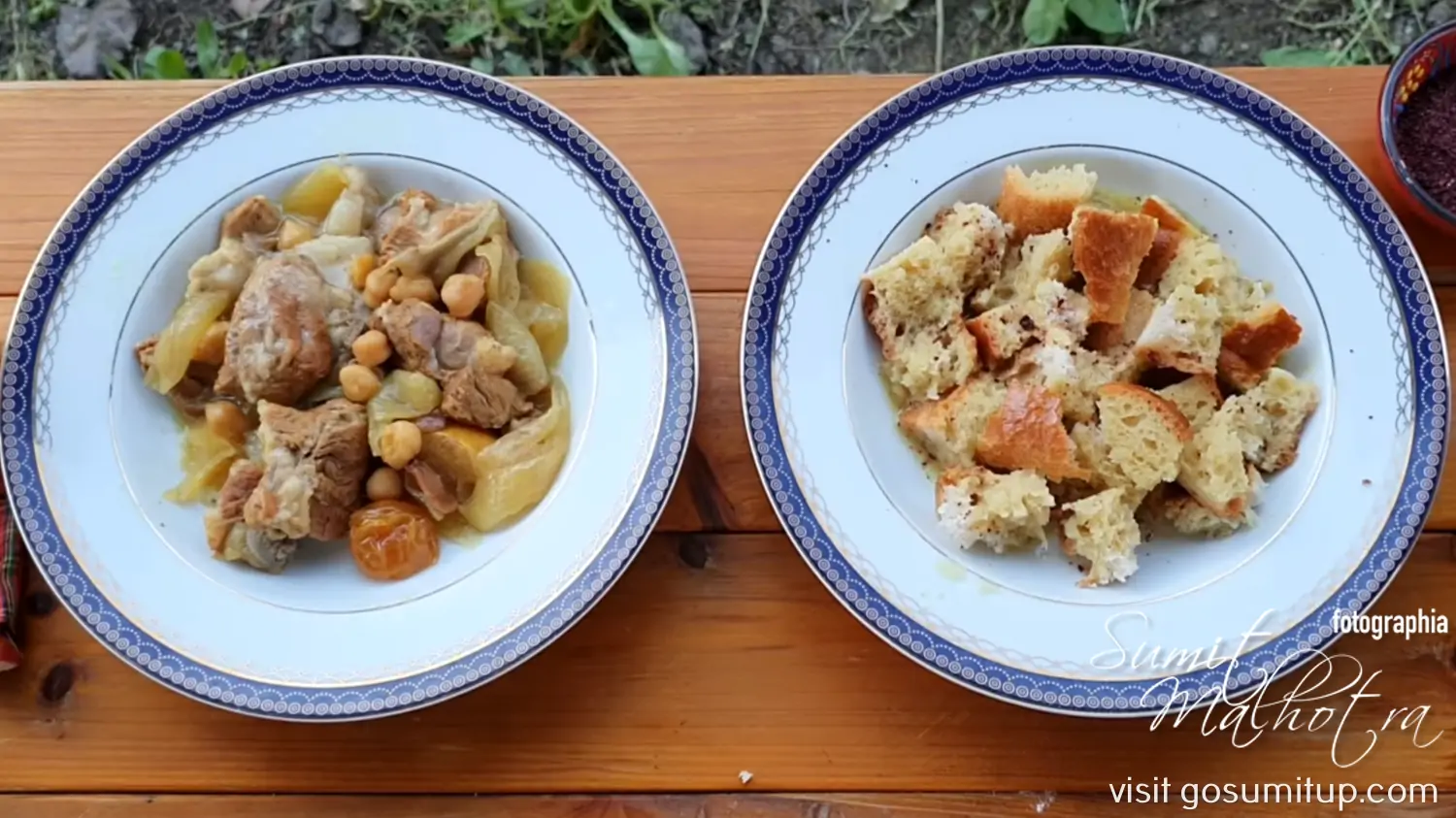
Decoding the Physics of the Clay PotCooking Piti in clay versus metal fundamentally changes how heat interacts with the ingredients. When we strip away the folklore, cooking Piti in clay versus metal fundamentally changes how heat interacts with the ingredients. 1. The Power of Slow Infrared RadianceMetal is an aggressive heat conductor. When a metal pot sits over a fire, it transfers heat rapidly and unevenly, causing the water inside to enter a violent, rolling boil. In a rolling boil, the intense mechanical agitation violently breaks apart the lamb’s tail fat (quyruq), forcing the fat droplets to emulsify into the water. This turns the liquid into a cloudy, opaque, and unpleasantly greasy soup. Clay, on the other hand, is a terrible conductor of heat but a magnificent heat radiator. It absorbs the fire’s harsh energy slowly and releases it evenly as gentle, deep-penetrating infrared heat. Instead of a violent boil, the clay pot maintains a perfectly steady, sub-boiling whisper of a simmer. The fat melts like velvet, floating cleanly on top as a golden seal rather than emulsifying into a muddy mess, keeping the underlying broth crystal clear. 2. The Porous Flavour FilterUnlike glazed ceramics or stainless steel, unglazed clay is microscopic and porous. It literally breathes. As the Piti simmers gently for 8 to 12 hours, this micro-porosity allows an incredibly slow, controlled evaporation of water vapour. This naturally concentrates the flavours of the lamb juices, saffron, and sweet chestnuts without ever reducing the liquid too quickly. Furthermore, the rough interior clay walls act as a natural filter, trapping harsh, volatile compounds and excess heavy surface oils. This smooths out the flavour profile, imparting a faint, earthy minerality that rounds out the sweetness of the local chestnuts. Piti Dynamics - Clay vs MetalPiti Dynamics - Clay vs MetalThis visual guide above breaks down why the traditional unglazed clay pot is non-negotiable for achieving the clear, golden elixir of authentic Sheki Piti. The Modern Metal PotHeat Transfer: Rapid & Aggressive: Metal is an aggressive heat conductor that transfers heat rapidly and unevenly, shown by large, fast-moving heat arrows and a high thermometer graphic. Liquid Motion: Violent Rolling Boil:A cross-section of the pot shows turbulent, aggressive water movement with steam, illustrating ‘intense mechanical agitation’. Fat Behaviour: Emulsified & Cloudy:A diagram of microscopic views in a circle shows large fat droplets being violently smashed into smaller particles, mixing with the water. This illustration above describes how ‘agitation breaks aparttail fat (quyruq)‘, ‘forcing the fat droplets to emulsify into the water’. Broth Result: Greasy & Opaque:An illustration of a muddy, greyish bowl of stew with a heavy floating oil layer, labelled: ‘Cloudy, opaque, and unpleasantly greasy soup’. Flavour Profile: Harsh, One-Dimensional:Illustrated with a flat, jagged taste bar and text stating: ‘Metal pots “steal” the delicate sweetness of the chestnuts and turn the lamb fat aggressive and greasy’. The Traditional Clay PotHeat Transfer: Slow Infrared Radiance: Clay is a terrible heat conductor but a magnificent heat radiator, illustrated with gentle, even, deep-penetrating infrared heat waves. The text reads: ‘Slow, controlled radiance’ and ‘releases fire’s energy slowly and evenly’. Liquid Motion: Gentle Sub-Boiling Simmer: A cross-section diagram shows water with only tiny, sparse bubbles and very sparse movement, indicating a ‘perfectly steady, sub-boiling whisper of a simmer’. Fat Behaviour: Cleanly Melted & Layered:A circular microscopic view shows fat droplets melting cleanly and floating to the top in a distinct, unbroken layer. It illustrates that ‘fat melts like velvet’, ‘floating cleanly on top as a golden seal’. Broth Result: Crystal-Clear & Silky:A visualisation of a golden, brilliant bowl of stew with individual ingredients clearly visible (chickpeas, chestnuts, meat chunks) and a delicate fat layer. Text describes it as a ‘clear, golden elixir’ and ‘brilliantly clear underlying broth’. Flavour Profile: Earthy, Concentrated Sweet:Illustrated with a complex, rounded flavour profile. The text notes: ‘Porous walls allow micro-exchange of oxygen, concentrating flavours’, and ’rounds out the sweetness of the local chestnuts’. The visualisation above provides a clear scientific explanation for why Piti cooked in metal vessels loses its signature clarity and delicate flavour balance compared to those cooked in rustic, radiating earthenware.