Top Nations and Ethnic Groups in the Middle East in 1250
Select Language:Nations and Ethnic Groups in the Middle East in 20251. Changing Boundaries and Emerging StatesIn recent years, the map of the Middle East has undergone significant transformations. Countries. . .
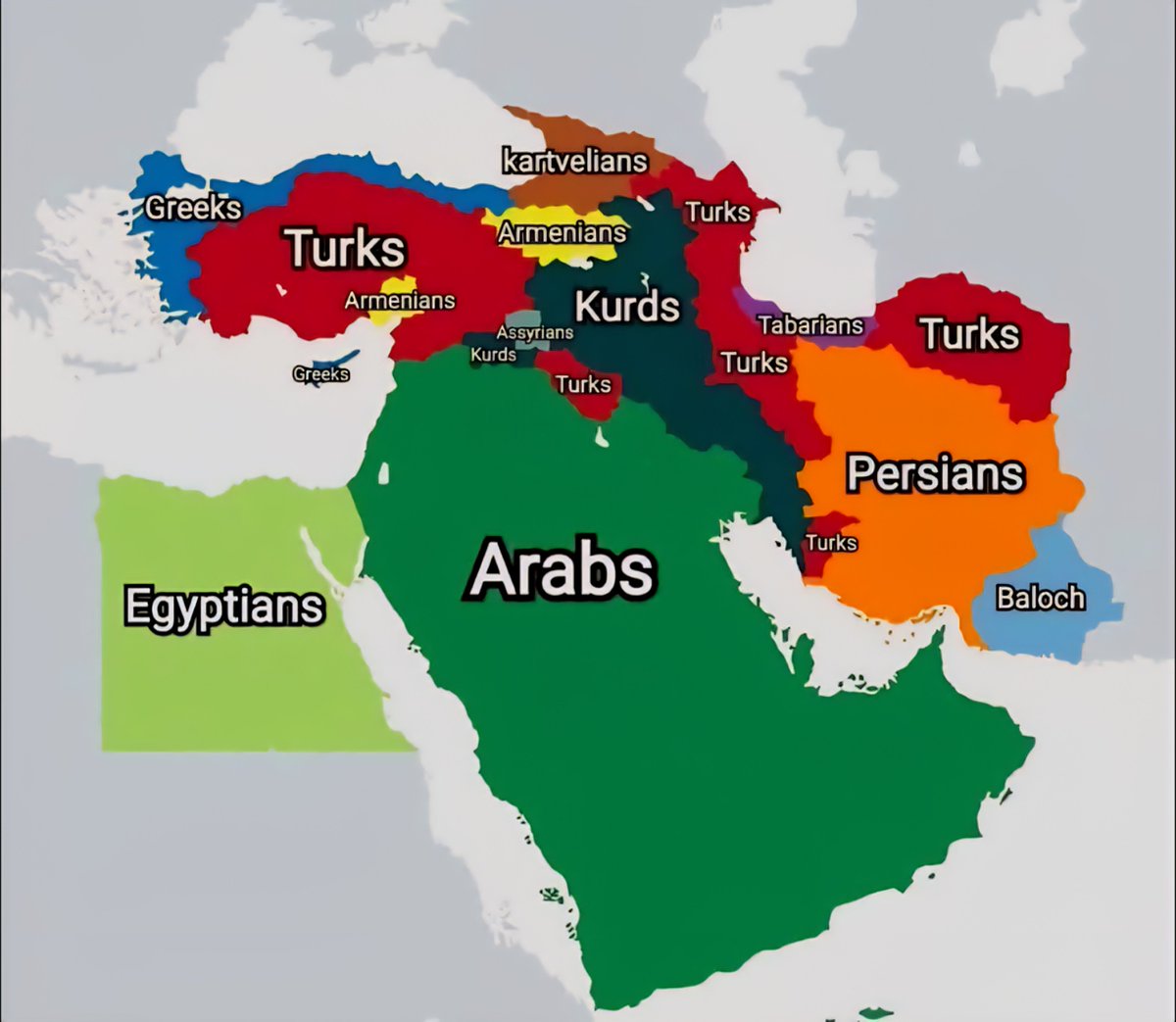
Select Language:Nations and Ethnic Groups in the Middle East in 20251. Changing Boundaries and Emerging StatesIn recent years, the map of the Middle East has undergone significant transformations. Countries are re-drawing borders due to prolonged conflicts, diplomatic negotiations, and regional alliances. The emergence of new autonomous regions, especially in areas like Northern Syria and Iraq, reflects ongoing efforts to establish local governance amidst unstable national borders. Notably, Kurdish groups continue their pursuit of recognized sovereignty, leading to further discussions on independence and autonomy. These developments are reshaping the political landscape, influencing everything from trade routes to military alliances. 2. The Resilience of Major Ethnic GroupsThe region remains home to some of the world’s oldest and most resilient ethnic communities. Arabs, Persians, Kurds, Turkmen, Assyrians, and Jews continue to maintain distinct cultural identities, languages, and traditions. Despite modern political upheavals, these groups preserve their heritage through education, cultural festivals, and community efforts. Dedicated languages schools and cultural centers have flourished, fostering a revival of indigenous languages like Kurdish and Assyrian, which historically faced suppression. 3. Persia’s Influence and the Rise of IranIran, formerly known as Persia, has maintained its influence across the Middle East with an emphasis on cultural diplomacy and strategic alliances. The government has invested heavily in preserving Persian heritage and promoting its language and history. Regional power dynamics are increasingly shaped by Iran’s involvement in neighboring conflicts, including support for allied governments and proxy groups. Iran’s focus on nuclear development and regional diplomacy positions it as a central player in Middle Eastern geopolitics, with its influence extending into Iraq, Syria, and Lebanon. 4. The Complex Identity of the LevantThe Levant region—comprising countries like Lebanon, Syria, Jordan, and Palestine—remains a tapestry of diverse identities and histories. Lebanon continues its delicate balancing act among religious and ethnic groups, striving for stability amid regional tensions. Syria faces reconstruction challenges following a decade-long civil war, with ethnic and sectarian divisions still evident. Palestine’s quest for statehood remains a central issue, with ongoing efforts for peace negotiations influencing diplomatic priorities. The region’s complexity makes it a focal point for international diplomacy, negotiations, and regional cooperation. 5. The Role of Ethnic and Religious MinoritiesEthnic and religious minorities play crucial roles in shaping the societal fabric of the Middle East. The Assyrians and Yazidis, despite facing threats and displacement, remain committed to cultural preservation and political representation. Christian communities continue to sustain vibrant churches and schools across countries like Lebanon, Egypt, and Iraq. Meanwhile, Jewish communities, primarily centered in Israel, continue to evolve culturally and socially, reinforcing their identity within the modern Middle East context. 6. Impact of Global Politics and Regional ConflictsGlobal politics and regional conflicts significantly influence the demographic and political makeup of the Middle East. Superpower involvement—particularly by the United States, China, and Russia—continues to affect internal stability and foreign relations. These powers sponsor political processes, military interventions, and economic investments, often leading to shifts in power balances among states and ethnic groups. Conflicts in Yemen, Libya, and Syria persist, creating humanitarian crises and displacing millions, impacting ethnic compositions and regional stability. 7. The Future of Cultural Identity and Regional UnityDespite ongoing conflicts, regional leaders and community organizations are increasingly emphasizing cultural unity and reconciliation. Initiatives promoting cross-ethnic dialogue, cultural festivals, and educational exchange programs aim to foster understanding and resilience. The 2025 landscape shows a Middle East striving for a balance between maintaining traditional identities and adapting to modern geopolitical realities. Many communities are leveraging technology and social media to preserve their history and culture, ensuring the younger generations remain connected to their roots amid rapid change. As the Middle East continues to evolve in 2025, the interplay between ancient traditions and modern politics remains a defining feature, shaping the region’s future for years to come.