Voyager 2 Power Fix Delays Science Instrument Shutdown - Time News
NASA engineers have successfully tested a risky power-saving procedure nicknamed the Big Bang on Voyager 2, swapping out thruster line heaters to conserve electricity. The maneuver aims to delay shutting down. . .
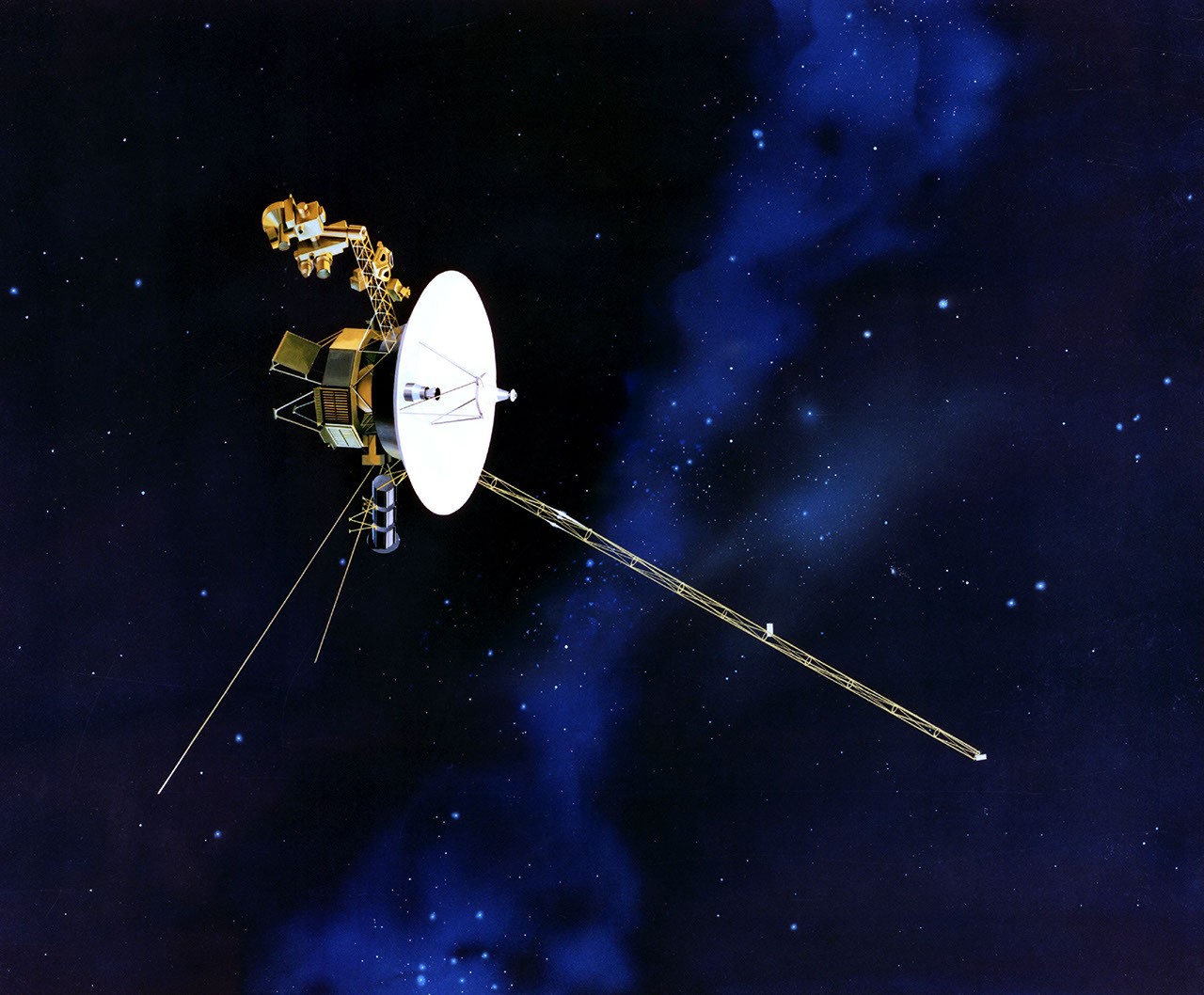
NASA engineers have successfully tested a risky power-saving procedure nicknamed the Big Bang on Voyager 2, swapping out thruster line heaters to conserve electricity. The maneuver aims to delay shutting down critical science instruments as the spacecraft approaches its 50th anniversary in space. Operating on radioisotope thermoelectric generators that convert decaying plutonium into electricity, NASA’s twin interstellar probes lose approximately 4 watts of power every year. Launched in 1977, both spacecraft have far exceeded their original lifespans, leaving engineers to manage razor-thin energy margins by turning off non-essential systems. The Power Crisis and the Threat to Interstellar InstrumentsAs the probes venture deeper into the black, the energy drain forces agonizing choices for mission managers at NASA’s Jet Propulsion Laboratory (JPL) in Southern California. Power margins have grown so constrained that the mission has had to decommission instruments one by one. Voyager 1 crossed into interstellar space in 2012, followed six years later byVoyager 2, which measured the colder, denser plasma of the region beyond the heliosphere. Photo: LivescienceThe toll of deep space continues to mount. On April 17, Voyager 1 shut down the Low-Energy Charged Particle (LECP) experiment, an instrument that monitored ions, electrons, and cosmic rays for 49 years. The shutdown was precipitated by an unexpected power drop during a scheduled roll maneuver on February 27, leaving Voyager 1 with just two operational science instruments: a magnetometer and a plasma wave subsystem. Curiosity Mars Rover Marks 14th Anniversary With Discovery of Giant HoneycombsExecuting the Big Bang ProcedureTo stave off further instrument closures, mission engineers designed an ambitious engineering overhaul known as theNASA. Instead of picking off individual systems, the maneuver involves a simultaneous swap of powered devices to reduce energy consumption while keeping the spacecraft warm enough to operate. Photo: SpaceVoyager engineers will turn off three devices on the spacecraft that have been used to keep the thruster fuel lines from freezing — and turn on three other devices that will keep the fuel lines warm, but use a total of almost 10 watts less power. If successful, this could delay the need to turn off a science instrument aboard each spacecraft by at least one year. Anil Menon Completes First 6. 5-Hour NASA Spacewalk to Upgrade ISS PowerThis nearly 10-watt reduction is substantial for spacecraft operating on severely depleted reserves. Testing the Maneuver on Voyager 2Because Voyager 2 possesses slightly more available power and resides closer to Earth than its twin, engineers scheduled theBig Bang teststo run on the spacecraft in May and June. The procedure required switching several powered devices at once, turning some off and replacing them with lower-power alternatives. According to updates from NASA, the complex procedure successfully freed up power on Voyager 2 without letting the spacecraft drop below its operational thermal thresholds. The savings have successfully protected Voyager 2’s remaining three active instruments — the cosmic ray subsystem, the magnetometer, and the plasma wave subsystem — securing at least another year of operational life for the probe. Pluto’s Glacial Heart Shows Evidence of Recent Liquid Nitrogen SeepageNext Steps for Voyager 1Following the successful implementation on Voyager 2, mission planners intend to roll out the same engineering maneuver toVoyager 1. That operation is planned for the coming months. NASA’s “Big Bang” Maneuver: Saving Voyager 1 at the Edge of Interstellar SpaceIf the maneuver succeeds on the more distant probe, engineers hope to reclaim enough power to potentially reactivate the deactivated LECP instrument, whose small half-watt motor was deliberately left powered on during shutdown. Commands take approximately 23 hours to travel to Voyager 1, which sits roughly 25. 40 billion kilometers from Earth, leaving the team waiting nearly a day to discover whether the commands succeed or leave the spacecraft out of action. Worth a lookOpenAI Removes ChatGPT Text Limits for Free Users and Debuts GPT-5. 6 LunaPluto’s Glacial Heart Shows Evidence of Recent Liquid Nitrogen SeepageHouse and Senate Passed Different Bills to Avoid the Same Shutdown(daybreakwire. com)Relatedpriyanka. patel tech editorFormer software engineer turned tech reporter. Explores AI, cybersecurity, gadgets and start-up culture.